Kenya’s Microsoft-G42 data centre project stalls amid power and water scrutiny
The proposed $1bn facility in Olkaria remains at the design stage as regulators and local communities weigh the environmental costs against digital ambitions.
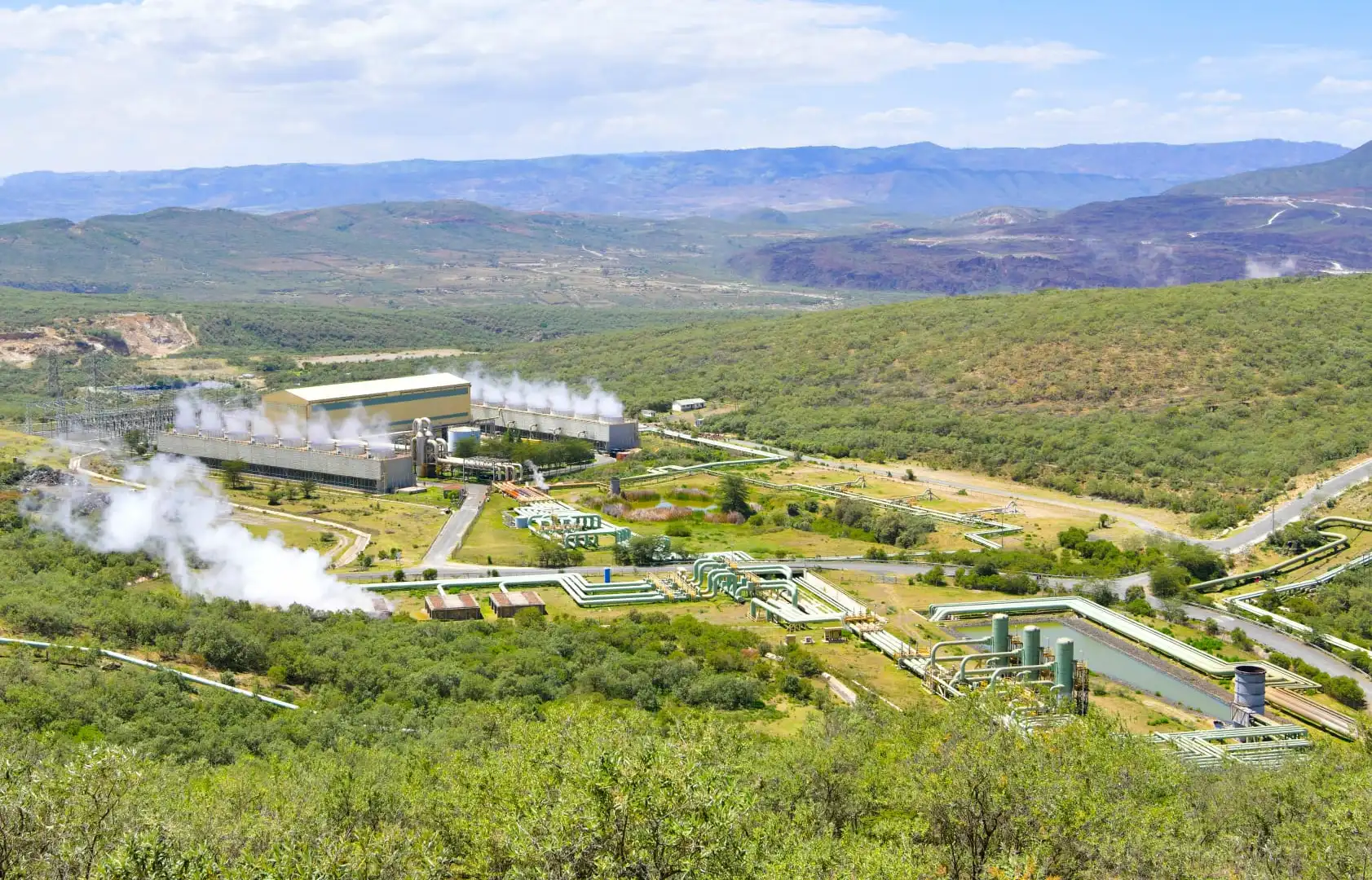
Plans for a major data centre in Olkaria, Kenya, have stalled following concerns over available power capacity, according to Kenya Electricity Generating Company (KenGen). The facility, a joint venture between Microsoft and United Arab Emirates-based artificial intelligence firm G42, was announced in 2024 as part of a $1bn digital investment package. While the project was designed to run on geothermal energy and scale to 1 gigawatt, its current status has intensified debate over the region’s ability to support further industrial expansion.
KenGen communications director Frank David Ochieng confirmed that the data centre remains at the design stage, stating the company could not comment further until the project is ready to proceed. Although Microsoft and G42 indicated the campus would incorporate water conservation technology, specific consumption figures were not disclosed in the original announcement. This lack of transparency has drawn scrutiny from local stakeholders who are already managing significant pressure on the area’s water resources.
The Olkaria region is home to Kenya’s major geothermal operations, making it a strategic location for power-intensive facilities. However, the catchment area of Lake Naivasha supports agriculture, tourism, and domestic use, all of which are under strain from population growth and climate variability. Residents report a decline in reliable piped water supplies previously provided by KenGen, with some communities now relying on water vendors. Pastoralist Isaac Leshishi noted that livestock are walking kilometres for water, highlighting the immediate impact of scarcity on local livelihoods.
Environmental groups warn that the proposed facility could exacerbate existing shortages. Grace Kimani, a patrol leader with Lake Naivasha and Oloiden, called for water-efficient cooling systems and the use of treated wastewater. She emphasised the need for an assessment of the project’s cumulative impact on water resources, particularly during dry periods. Silas Wanjala of the Lake Naivasha Riparian Association pointed to the near-drying of the lake in 2010 due to over-abstraction as a cautionary precedent for the current development.
Contextual data underscores the urgency of these concerns. The Food and Agriculture Organization estimates Kenya has approximately 527 cubic metres of freshwater available per person, well below the 1,000-cubic-metre threshold for water scarcity. A KenGen environmental and social impact assessment recorded that 195,165 cubic metres of water were abstracted from Lake Naivasha in July 2023 for existing domestic, commercial, and operational uses. While these figures relate to current KenGen operations rather than the proposed data centre, they illustrate the scale of existing industrial demand.
Regulatory oversight remains a key factor in the project’s future. The Water Resources Authority regulates water abstraction, while the National Environment Management Authority oversees environmental impact assessments. Despite attempts to obtain comments from these bodies and government officials, no further clarification has been provided. For now, the project’s eventual scale and specific water requirements remain unclear, leaving local communities to monitor the balance between economic investment and environmental sustainability.