Kenyan High Court suspends US Ebola facility amid public unrest
The Kenya High Court has halted the establishment of a US-funded quarantine centre for Americans exposed to Ebola, following significant public opposition and formal resistance from regional leadership.
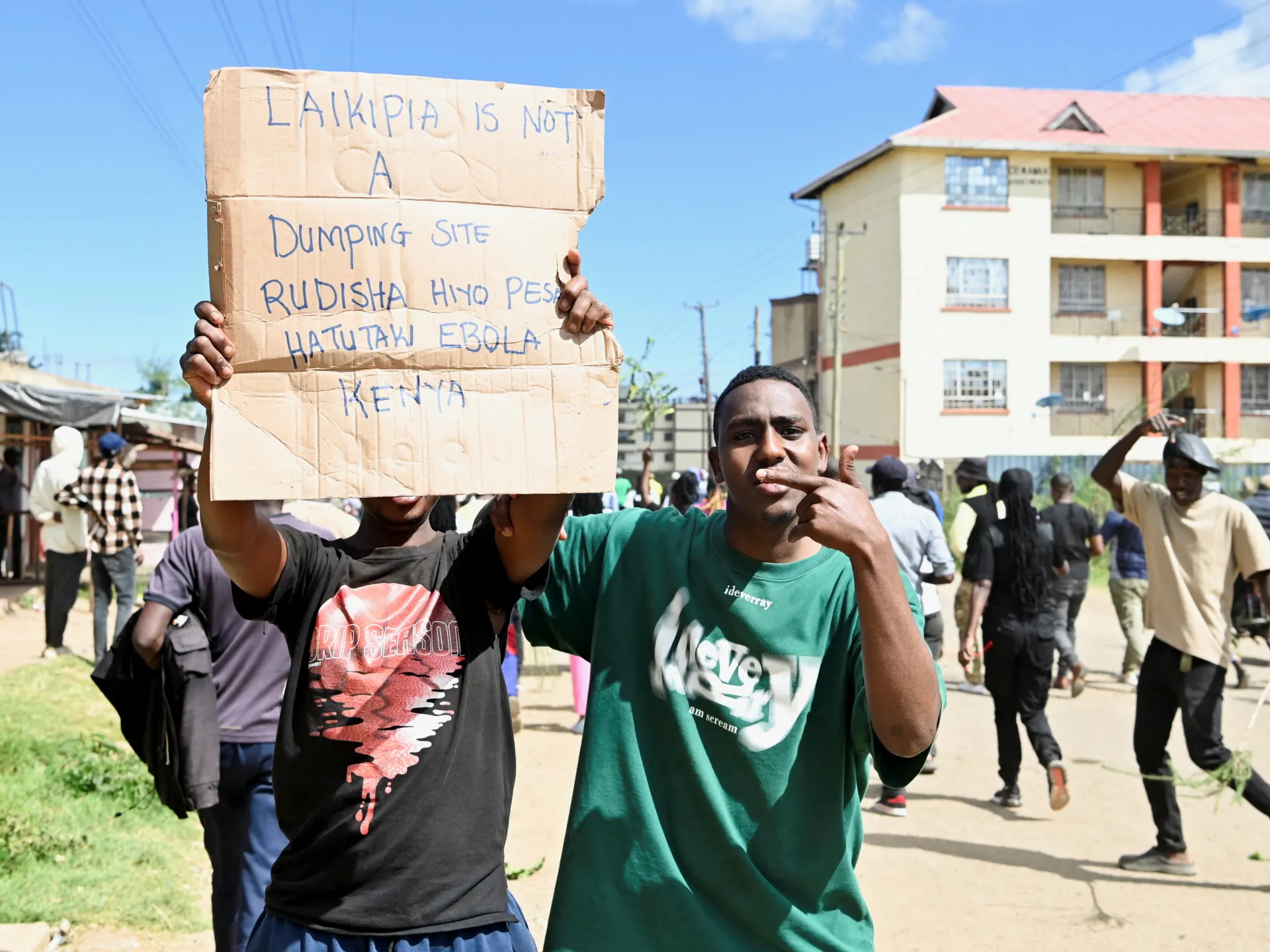
The Kenya High Court has suspended the establishment of a US-funded quarantine facility in Nanyuki, central Kenya, coinciding with escalating public unrest over the project. The legal intervention follows a period of significant demonstration involving hundreds of people who have gathered to voice their opposition to the plan.
The proposed centre was designed to isolate Americans exposed to Ebola, with funding provided by the United States. However, the initiative has faced substantial pushback from the local community, who have expressed concerns regarding the potential health risks associated with the facility's presence in the region.
Laikipia Governor Joshua Irungu has formally resisted the plan, articulating specific safety concerns for the local population. Governor Irungu highlighted that many residents work within the nearby air base, raising fears that the presence of the quarantine centre could expose these workers to the virus.
The suspension of the facility by the High Court marks a significant development in the dispute, effectively halting the immediate implementation of the US-backed project. The court's decision comes as the government navigates the tension between international health cooperation and local community safety.
While broader efforts to combat the Ebola crisis continue elsewhere, including resource supply to rural health centres in the Congo and investments in vaccine research, the situation in Nanyuki remains distinct. The current focus is on the legal and political fallout from the suspended quarantine centre and the ongoing public sentiment in central Kenya.
The exact number of protesters remains unquantified beyond the description of "hundreds," and the specific legal grounds for the High Court's suspension have not been detailed in available reports. The status of the US funding or the facility post-suspension is also not explicitly confirmed beyond the court order.
This incident underscores the complexities of implementing foreign-led health infrastructure in local contexts, particularly when community safety and employment concerns are directly implicated. The High Court's intervention provides a temporary pause, allowing for further legal and political deliberation on the matter.