Kenyan graduates pivot to AI-driven agriculture amid white-collar job crisis
With the average African farmer aged 60, a new generation of Kenyan graduates is using artificial intelligence applications to challenge traditional perceptions and secure livelihoods in the agricultural sector.
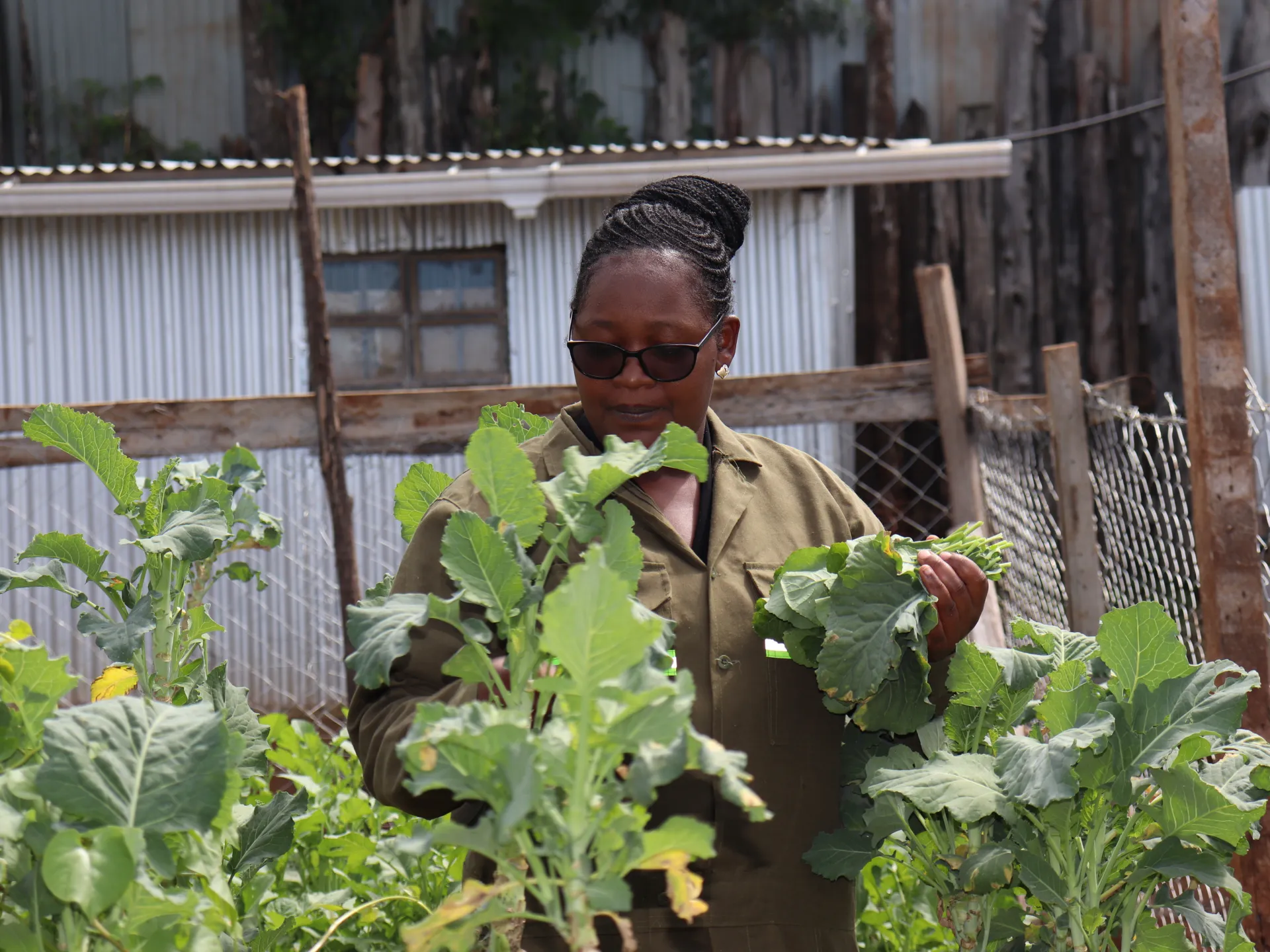
A shortage of formal white-collar employment in Kenya is driving young graduates toward agriculture, where they are increasingly utilising artificial intelligence and digital platforms to enhance productivity and generate income. This shift represents a structural adaptation to a tight labour market, with individuals such as Chepkorir Rotich and Geoffrey Kiprop adopting mobile applications for crop disease detection, soil analysis, and livestock management to establish viable livelihoods.
Rotich, a 33-year-old farmer in Kericho County, began her agricultural venture over a decade ago after failing to secure permanent business administration roles. Having previously earned only $200 per month on contract work in Nairobi, she transitioned to farming in the compound of her rented house. Today, she generates sufficient income from milk and vegetable sales to offset her rent, while also running a YouTube channel and maintaining a social media following of nearly 50,000 to market produce and share modern farming techniques.
Geoffrey Kiprop, a 32-year-old information technology graduate from Kaptoroi village, illustrates the financial viability of this approach. After earning just $116 monthly from his highest-paid contract job, Kiprop now earns approximately 7,000 Kenyan shillings ($54) daily through mixed farming. He employs specific AI-enabled tools to optimise his operations, including the Plantix app for identifying crop diseases via photo uploads, the Virtual Agronomist platform for soil sampling and nutrient planning, and the Digicow application to track dairy farm profitability.
Academic and industry experts note that technology allows youth to access agricultural data ecosystems and create revenue-generating content. Kiringai Kamau, a lecturer at the University of Nairobi, has established a devolution agroecology and AI learning centre at Murang’a University to train young people in linking with these data infrastructures. Kamau argues that youth are uniquely positioned to deploy technology effectively, thereby challenging the Food and Agriculture Organization of the United Nations’ report that the average African farmer is 60 years old.
Derrick Ngigi, technical head at Global Open Data for Agriculture and Nutrition (GODAN), highlighted that content creation around modern farming methods is generating significant revenue for young people. Despite the challenges, both Rotich and Kiprop emphasise that consistency is critical for success in the sector, urging other young people to overcome the perception that farming is solely an occupation for older generations.