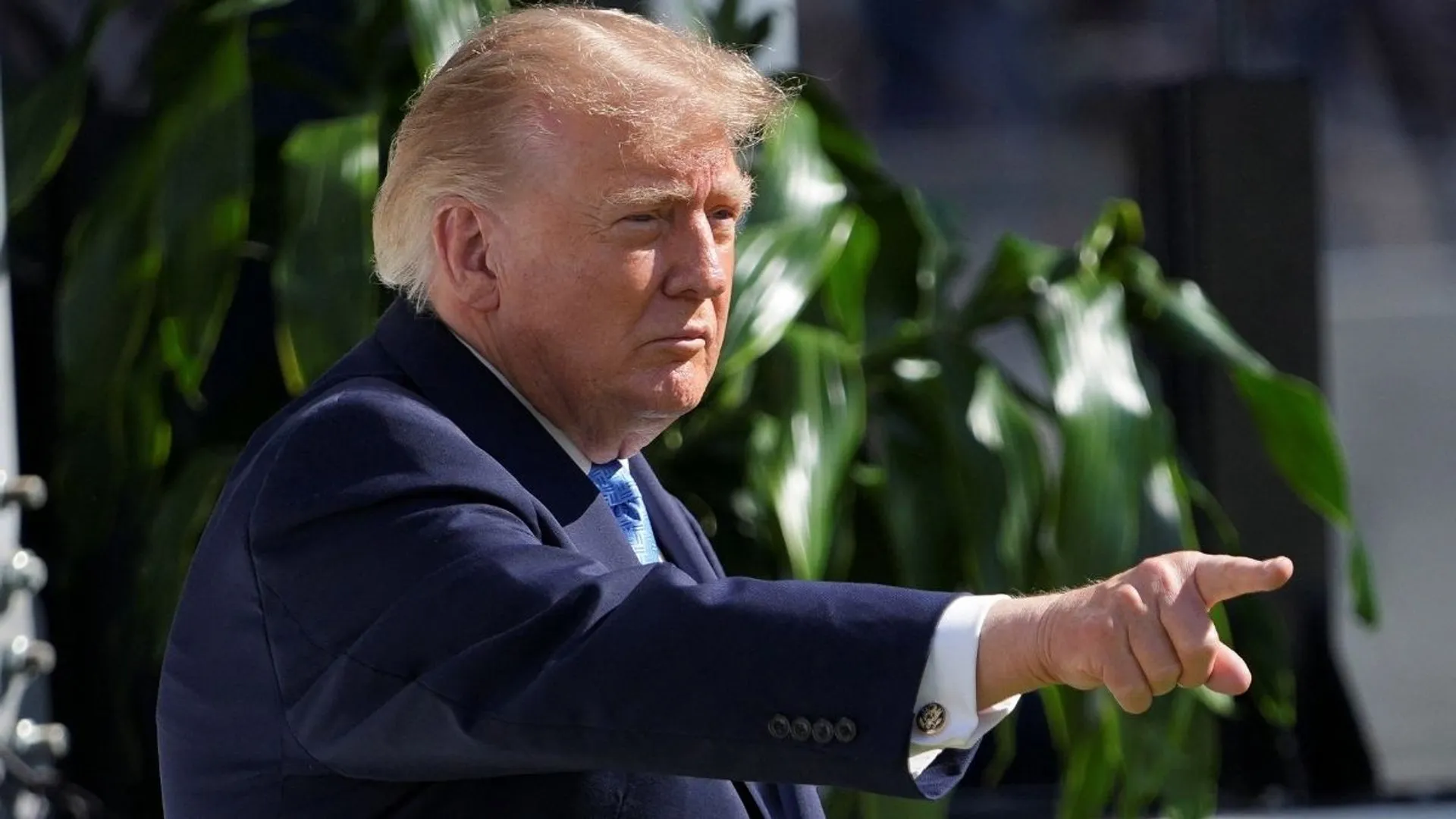
Kenya President Defies Court Order to Proceed with US Ebola Facility
The high court has issued a pause on construction, but the President cites diplomatic gratitude to Washington for aid support as justification for pressing ahead.
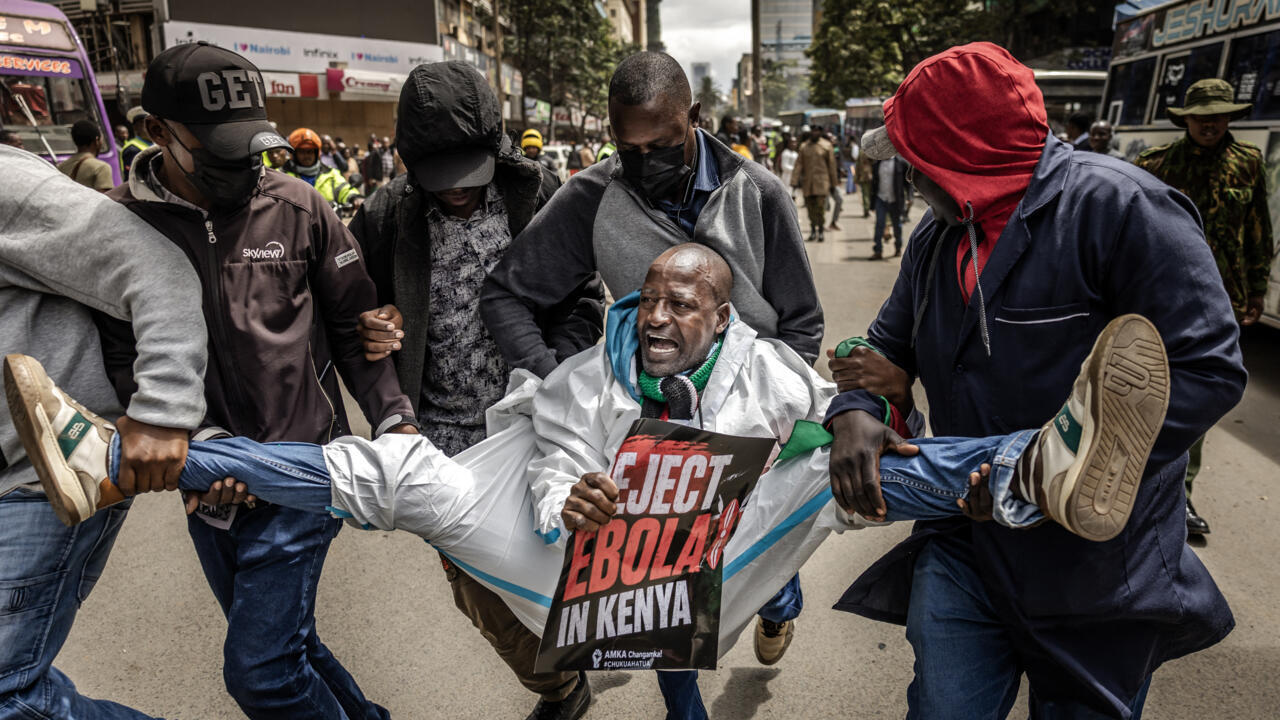
Demonstrators in Kenya have taken to the streets to express mounting frustration over the government’s decision to permit the United States to establish an Ebola quarantine centre in Nairobi. The facility is designated specifically for US citizens suspected of exposure to the virus, a move that has triggered significant public opposition regarding the sovereignty and health implications of hosting foreign medical infrastructure.
The controversy has reached the judiciary, with a high court issuing a pause order on the construction of the facility. This legal intervention has halted physical progress on the site, reflecting domestic concerns over the appropriateness of the project. However, the executive branch has indicated it will not be deterred by the judicial ruling.
The Kenyan President has vowed to proceed with the project despite the court’s injunction. In defending the decision, the President cited Nairobi’s debt of gratitude to Washington for years of aid support. This framing suggests that the administration views the facility as part of a broader bilateral relationship where diplomatic obligations may supersede immediate domestic legal challenges.
The situation highlights a tension between judicial oversight and executive foreign policy priorities. While the high court has acted to pause the construction, the President’s stance indicates an intention to override or bypass the order, relying on the strategic importance of the US-Kenya relationship to justify the continuation of the plan.
Public sentiment appears to be a key driver of the current unrest, with protesters challenging the authorities' handling of the agreement. The government’s reliance on aid relationships to justify the facility has drawn sharp criticism, with demonstrators arguing that national health sovereignty should not be compromised for foreign diplomatic interests.
The operational status of the quarantine centre remains unclear, as it is not confirmed whether the facility was fully completed or operational prior to the pause. The specific legal mechanisms the President intends to use to override the high court order have not been detailed, leaving the immediate future of the project in a state of political and legal uncertainty.