Kenya LGBTQ+ groups face operational crisis as US aid withdrawal triggers 60 per cent funding loss
Stop-work orders from international partners have forced significant layoffs and service reductions across Nairobi, Kajiado and Nyeri, prompting calls for diversified, community-led economic models.
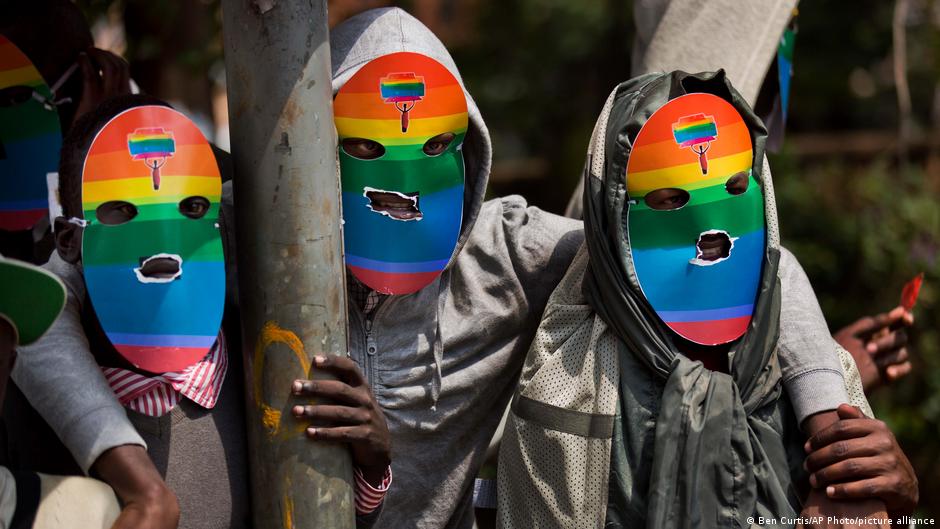
LGBTQ+ organisations in Kenya are navigating a severe operational crisis following the cessation of United States aid, a disruption that has coincided with global Pride Month observances. Health Options for Young Men on HIV/AIDS/STIs (HOYMAS), a key provider of services for same-sex men, sex workers and transgender individuals, has reported the loss of approximately 60 per cent of its funding. The financial contraction was triggered by stop-work orders issued by partner organisations in response to changes in USAID support, forcing the group to reduce its workforce from roughly 25 staff and 110 volunteers to a minimal skeleton crew.
John Mathenge, director of HOYMAS, confirmed that the organisation continues to operate three facilities in Nairobi, Kajiado and Nyeri, but described the current financial landscape as precarious. To maintain basic clinic operations, HOYMAS is relying on limited grants from Kenya’s Social Health Authority to pay three volunteers and procure essential medicines. Mathenge stated that the organisation has also resorted to borrowing drugs from government facilities to sustain its clinics, while outreach, healthcare worker training and peer educator programmes have been severely curtailed.
The reduction in services has had immediate consequences for community members. Kevin, a university student in Nairobi, reported that access to counselling, health information and condoms has become less frequent and more difficult to secure, with periods of supply shortages forcing individuals to seek alternatives or go without. Sharon, a Nairobi resident, emphasised that community-based organisations provide a level of safety and dignity often absent in mainstream healthcare, where fear of stigma and discrimination remains a significant barrier to accessing treatment.
Beyond healthcare, the funding cuts have impacted economic empowerment initiatives. Mercy, an entrepreneur in Nairobi, noted a decline in business support programmes that previously assisted individuals in achieving financial independence. She stated that she has had to rely more heavily on social media and word-of-mouth marketing to grow her business, highlighting the need for organisations to focus on income-generating activities that allow the community to sustain itself without total dependence on external donors.
In response to the crisis, stakeholders are advocating for diversified funding models that involve European partners, local businesses and government institutions. Mathenge is actively appealing to partners in countries that promote human rights for alternative support, while Sharon argued that the future of service delivery requires a shared responsibility among community organisations, state bodies and private companies rather than reliance on foreign donors whose priorities may shift.