Kenya High Court dismisses landmark Rastafarian cannabis appeal
The court’s decision upholds strict drug prohibitions, denying legal recognition for the sacramental use of marijuana within the Rastafarian community.
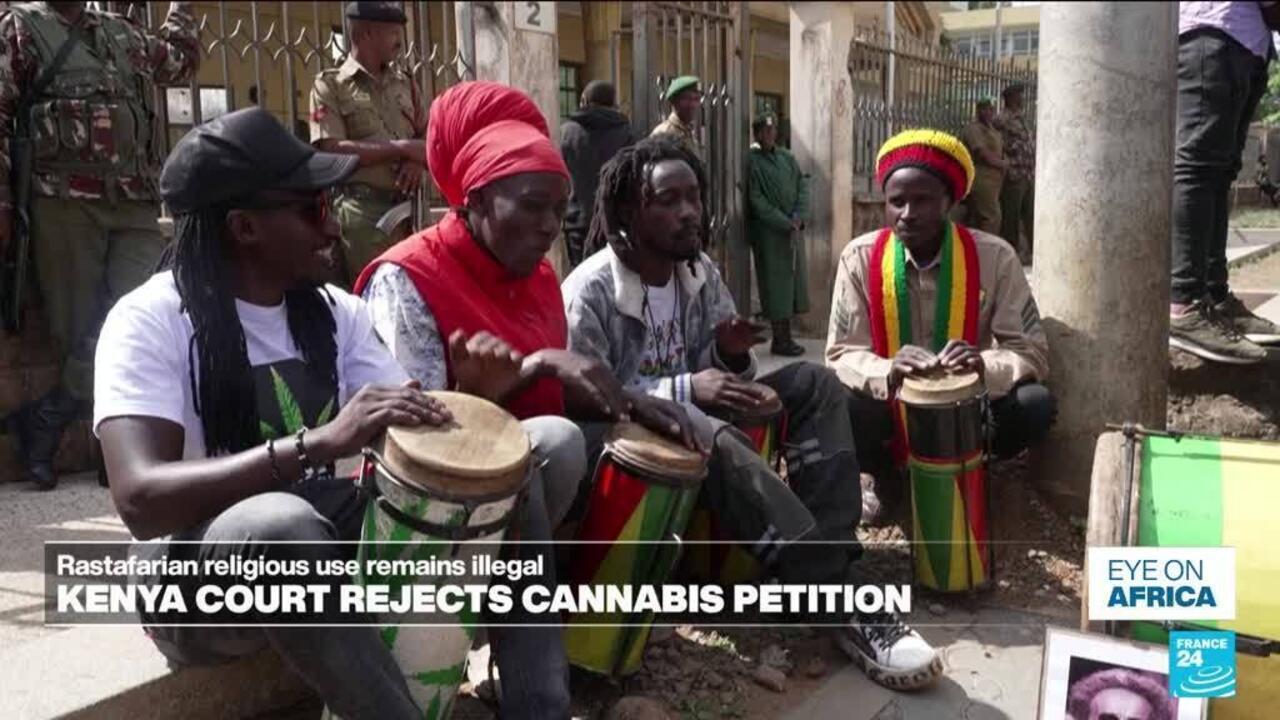
Kenya’s High Court has dismissed a landmark legal challenge brought by Rastafarians seeking the right to use cannabis for religious purposes. The ruling concludes years of litigation and denies legal recognition for the sacramental use of marijuana within the community, marking a significant setback for advocates who have campaigned for religious freedom exemptions.
The decision reinforces the existing framework under the Narcotic Drugs and Psychotropic Substances (Control) Act, which maintains strict prohibitions on the possession, use, and trafficking of cannabis. The court’s dismissal means that the current statutory ban remains in force, without the specific exemptions sought by the Rastafarian plaintiffs.
Rastafarians in Kenya had argued that cannabis, known as ganja, is a sacrament essential to their faith. They sought a legal exemption similar to protections afforded to other religious groups, such as the Native American Church in the United States, which is permitted to use peyote for religious ceremonies. The community had waited years for a definitive verdict on whether their religious practices could be accommodated under Kenyan law.
This judicial outcome represents the first definitive verdict on this specific long-standing legal battle. While the ruling does not constitute a new legislative ban, it confirms that the existing drug laws do not currently provide a carve-out for religious cannabis use. The decision leaves the general prohibition intact and denies the plaintiffs' request for special status.
It remains unclear whether the Rastafarian community intends to appeal the decision to higher courts. The immediate practical impact on existing Rastafarian communities or individuals currently using cannabis for religious purposes is not specified in the ruling, but the legal precedent established by the High Court solidifies the state’s position on drug control over religious accommodation in this instance.