Kenya grapples with hired political gangs ahead of 2027 polls
President William Ruto has acknowledged the use of 'innocent children' as political tools, while the Kofi Annan Foundation flags a high risk of violence driven by economic hardship and institutional mistrust.
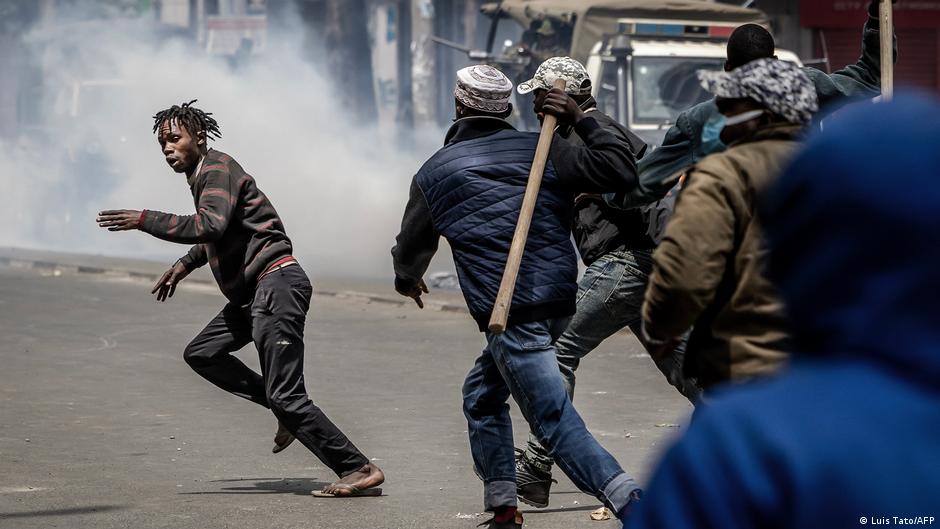
Concerns regarding election integrity in Kenya are intensifying as hired political gangs, often referred to as 'goons', increasingly disrupt civic and political events ahead of the August 2027 general election. The phenomenon has shifted from sporadic incidents to a coordinated strategy of intimidation, with reports indicating that politicians are recruiting armed thugs for as little as US$4 per day. This low-cost model of violence has created an atmosphere of pervasive anxiety among citizens, particularly in Nairobi, where the presence of these groups has eroded the sense of public safety.
The scale of the disruption was highlighted in June when a civil society and church forum at Nairobi’s All Saints Cathedral was violently interrupted during discussions on public finance management. Amnesty International Kenya reported that perpetrators publicly confessed to being sent by powerful government officials to carry out the attack. This incident, alongside disruptions at opposition-linked gatherings in Kisumu and Nyahururu, has fuelled accusations that state actors are employing armed groups to silence rivals and control the political narrative.
President William Ruto addressed the issue at the funeral of Zipporah Kosgey, wife of veteran politician Henry Kosgey, describing the perpetrators as "innocent children" exploited by bankrupt politicians. Ruto vowed that those hiring the thugs would be tracked down, yet public sentiment remains skeptical. Residents and students have questioned the response of security agencies, noting that police are often perceived as turning a blind eye or even protecting the gangs, thereby emboldening their actions without consequence.
Security and governance analysts warn that the structure of this violence is evolving. Byron Adera, a security analyst, noted that while political gang usage is not new, it has become more organised in the run-up to the 2027 election. He warned that the perception of partisan policing could fundamentally undermine democracy, asking whether the eventual outcome will reflect the will of the people or the will of the politicians behind the goons. Governance analyst Sheila Owigo Olang added that attacks have expanded beyond campaign rallies to churches and public spaces, creating specific fear among women seeking political office, who constitute a significant voting demographic.
The Kofi Annan Foundation’s latest Electoral Vulnerability Index underscores the severity of the situation, warning that Kenya faces a high risk of election-related violence. The foundation cites political tensions, economic hardship, and public mistrust in institutions as key drivers. With Kenya’s elections closely watched across East Africa, analysts emphasise that preventing political violence is essential to ensuring that political competition is decided by voters rather than intimidation. The upcoming polls will serve as a critical test of whether the state can enforce the rule of law against powerful political interests.