Kenya deploys heavy police presence as Gen Z anniversary protests loom
As thousands prepare to mark the second anniversary of the deadly 2024 demonstrations, the Kenyan government has ordered a significant security deployment and urged citizens to maintain economic productivity, despite opposition calls for remembrance marches.
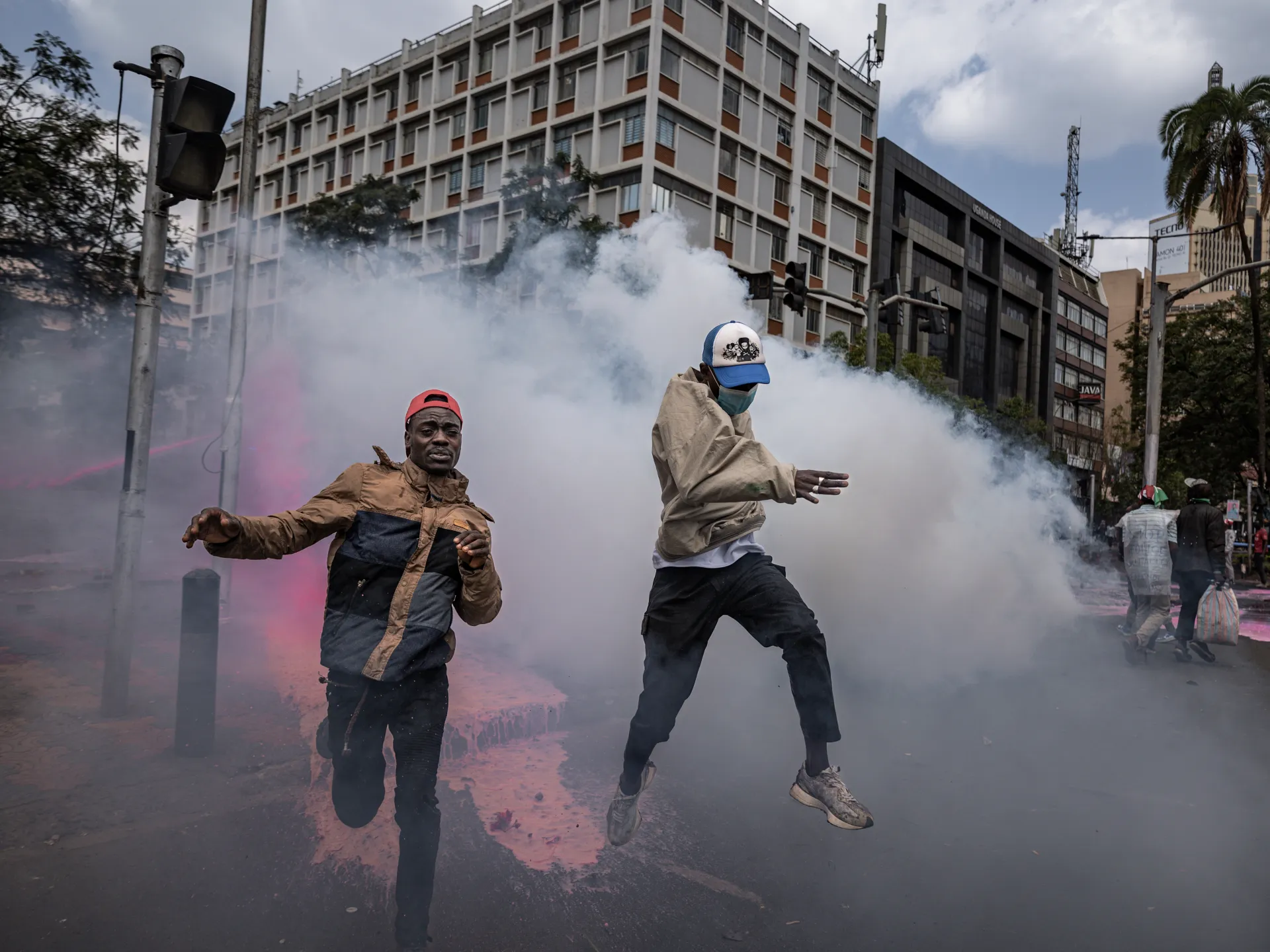
Thousands of Kenyans are preparing for demonstrations on Thursday to mark the second anniversary of the 2024 Gen Z protests, which resulted in over 120 deaths. The movement, initially triggered by a finance bill, mobilised against the cost of living, unemployment, and corruption. President William Ruto’s government has warned against the protests and deployed heavy police forces. Opposition figures have called for participation in remembrance services, while victims’ families have rejected a recent compensation fund as insufficient without justice for the killings.
The anniversary commemorates a period of intense civil unrest that began in 2024 when young protesters stormed parliament after politicians passed a controversial bill aimed at raising $2.7bn in new tax revenue. Although President Ruto eventually returned the bill for amendments under pressure, the broader challenges of economic inequality and democratic backsliding remain unresolved. Experts note that the movement, characterised by its decentralised structure and use of social media, has resonated globally, with similar uprisings occurring in nations such as Bangladesh, Nepal, and Sri Lanka.
Tensions have escalated following the first anniversary last year, when government forces cracked down on commemorations, killing more than 60 people and injuring over 500. The violence was reignited by the death of blogger Albert Ojwang in police custody, further eroding public trust in state institutions. In response to the upcoming anniversary, the government has ordered a heavy police deployment across major cities, including the capital, Nairobi, signalling a preparedness for potential confrontation.
President Ruto has publicly urged Kenyans to avoid demonstrations, framing the upcoming events as threats to economic growth and productivity. Speaking at a state event in Nairobi, the president condemned opposition to his new Finance Act 2026 as propaganda and called for citizens to continue their daily activities. He emphasised that the government is shifting towards supporting enterprise and private-sector investment, rejecting the notion that the current fiscal measures are driven by aggressive revenue mobilisation.
Conversely, opposition figures and civil society groups are mobilising for remembrance services. Senior opposition leader James Orengo has called for a march to government buildings and vigils across the country, urging citizens to demonstrate solidarity through their presence or absence. Meanwhile, victims’ families have expressed deep dissatisfaction with the government’s attempt to address past grievances. A recent compensation fund of nearly $15m, intended for 1,100 people affected by violent protests between 2017 and 2025, has been dismissed by relatives of the deceased as an attempt to silence demands for justice without accountability for the killings.