Kenya begins citizen-focused crackdown on foreign hawkers
The government says documented foreign traders remain protected, while critics warn the unclear measure could fuel xenophobia and unsettle investors.
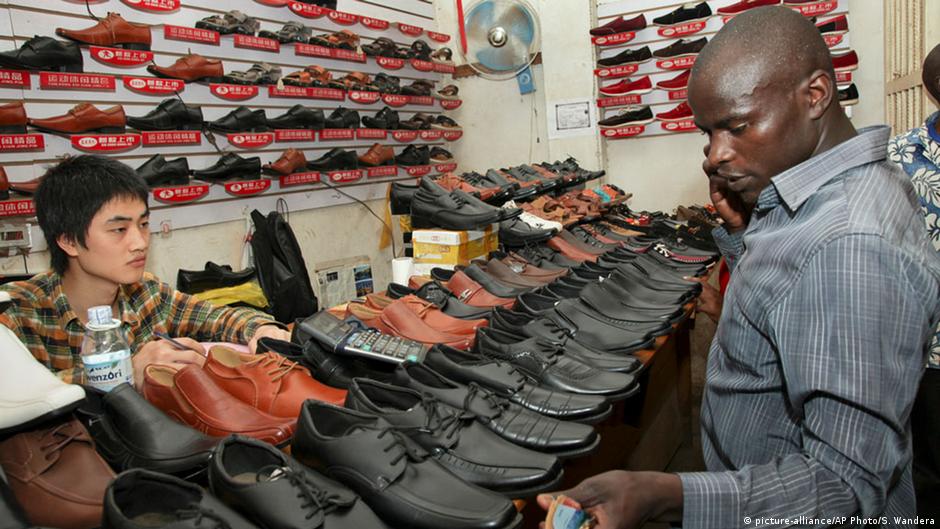
Kenya has begun enforcing a policy reserving selected low-capital trading and hawking activities primarily for Kenyan citizens, following a directive from President William Ruto. Enforcement was announced for 7 September and appears to have started, although the government has not published a comprehensive list of affected businesses or the number of foreign nationals who could be impacted.
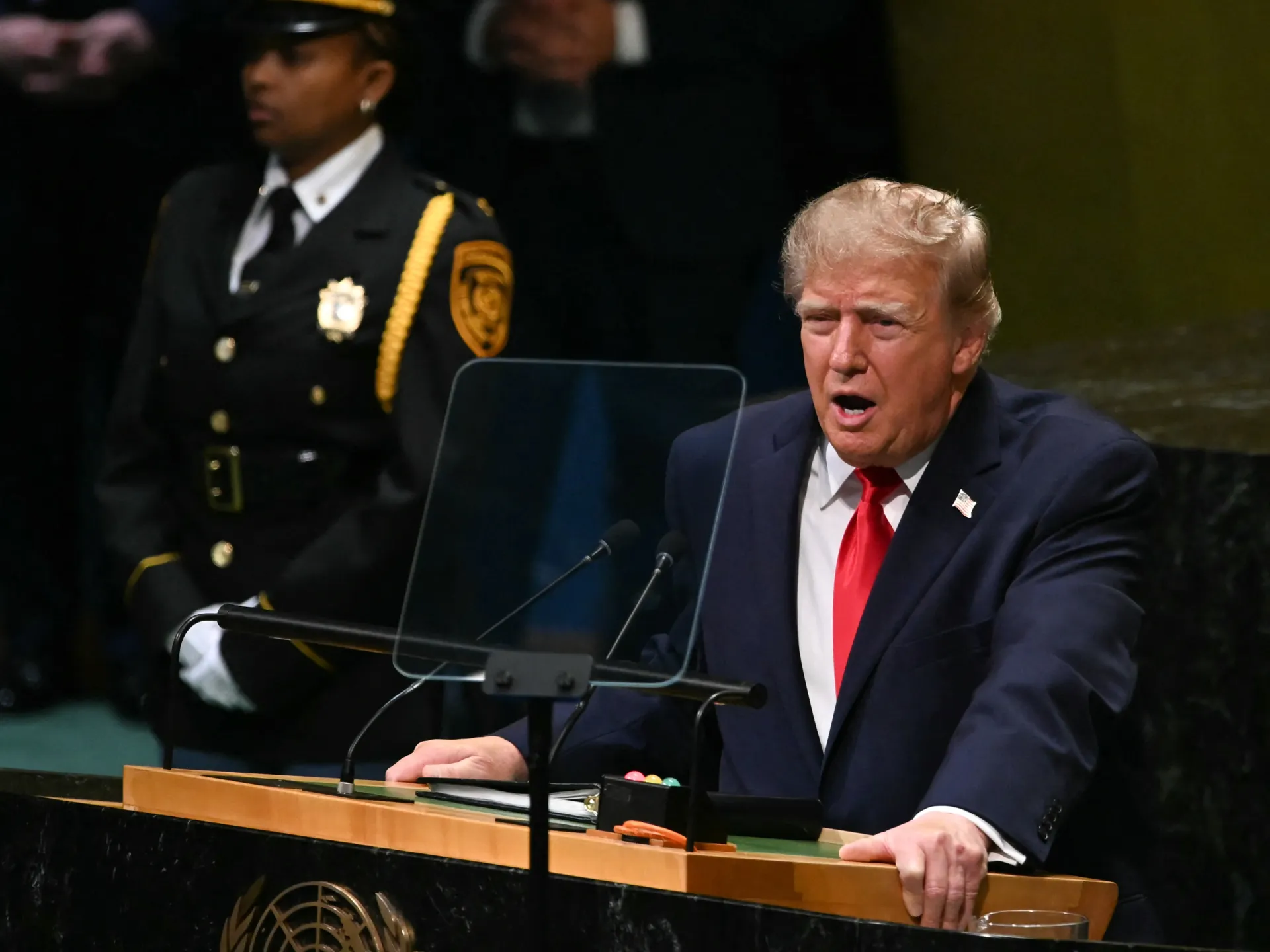
Ruto has framed the measure as an economic protection policy aimed at informal businesses requiring little capital. He has said Kenya should prioritise foreign investment that brings capital, creates jobs and contributes to local production, rather than foreign traders competing with citizens in small-scale commerce.
Kenya’s Foreign Affairs Principal Secretary, Abraham Korir Sing’oei, said foreign nationals who meet existing legal requirements, including holding the necessary work permits and licences, would remain protected. He said the initiative was linked to the proposed Local Content Bill 2025 and should not be treated as an effort to remove foreigners from the country.
The policy has nevertheless raised concerns about its effect on investment and regional trade rights. East African Community Common Market rules provide citizens of member states with rights to move and provide services across the region, subject to national licensing requirements.
Political economist Sheila Owigo Olang told Deutsche Welle the policy might not translate into more opportunities for Kenyan citizens and described it as potentially populist. She also warned that uncertainty could cause foreign investors to delay or reconsider investment, arguing that Kenya should focus on broader structural issues such as corruption and the ease of doing business.
The stakes are significant in an economy where the informal sector employed about 17.4 million people in 2024, while Kenya attracted a reported $3.2 billion in foreign direct investment in 2025. The proposed local content law would require covered foreign companies to source at least 60 per cent of certain goods and services locally and employ at least 80 per cent Kenyan workers. The crackdown’s effects on employment, investment and xenophobic incidents remain unknown.