Kentucky primary defeat underscores Trump’s iron grip on Republican Party
Analysts warn that removing loyalists may harm the party’s prospects in November as defeated incumbents may oppose the president’s legislative agenda.
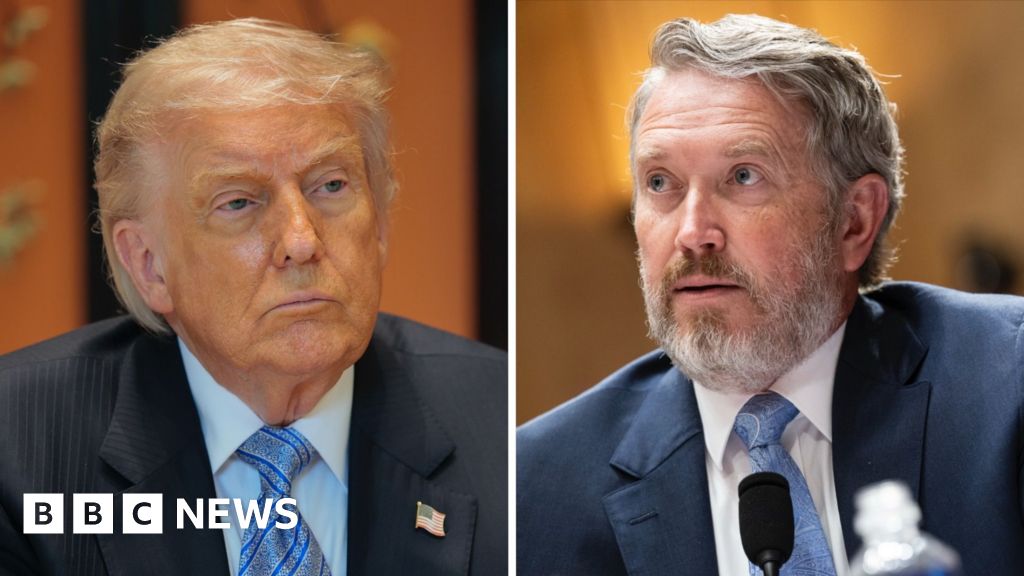
Donald Trump’s dominance over the Republican Party was reaffirmed in the Kentucky Republican primary, where his endorsed candidate, Ed Gallrein, defeated incumbent Congressman Thomas Massie. The victory, which sees Gallrein projecting a 55 per cent share of the vote, demonstrates that the president’s influence remains absolute, unaffected by sagging public poll numbers or economic concerns. Massie, a frequent critic of the administration, was ousted following a $20 million campaign effort designed to remove him from the congressional seat he held for more than a decade.
Massie’s defeat adds him to a growing list of Republican incumbents who have fallen to Trump-backed challengers, including Louisiana Senator Bill Cassidy and five Indiana state legislators. The Kentucky congressman had established a reputation for independent voting, often clashing with local business leaders and prioritising high-profile legislative efforts over traditional lobbying. His political transgressions included opposing the president’s tax-and-spending budget package, voting to curtail military operations in Venezuela and Iran, and leading efforts to release Justice Department files regarding Jeffrey Epstein.
The campaign against Massie relied heavily on the president’s endorsement rather than extensive ground operations. Gallrein, described as Massie’s handpicked opponent, declined most debate and public forum invitations. Instead, he leveraged the significant financial support generated by Trump’s backing to secure a double-digit victory with minimal campaigning. Trey Grayson, a two-time Republican secretary of state in Kentucky, noted that while Massie had acquired enemies through his legislative style, the outcome ultimately reflected the president’s iron grip on the party.
Trump’s reach extends beyond Kentucky, with the president also targeting Senator John Cornyn of Texas in a runoff election. Despite Cornyn not having openly broken with the president and being a prolific fundraiser, Trump endorsed Texas Attorney General Ken Paxton, dismissing Cornyn as insufficiently supportive during tough times. The endorsement caught Republican senators by surprise, with Senator Susan Collins of Maine expressing confusion over the decision to target a former Senate leadership member with deep party friendships.
Analysts warn that the removal of loyalists may harm the party’s prospects in the November midterms. Defeated or targeted Republicans, such as Bill Cassidy, have begun voting against Trump’s agenda, including supporting resolutions to limit military authority in Iran and opposing funding for White House ballrooms. With a growing number of Senate Republicans leaving the chamber, their opposition could complicate the president’s legislative efforts and provide campaign advantages to Democrats seeking to tie general election opponents to an increasingly unpopular administration.