Kazakhstan’s new single-chamber parliament set to cement Tokayev’s grip on power
As Kazakhstan transitions to a 145-seat Kurultai, the exclusion of independent candidates and the dominance of the ruling Adilet party signal a consolidation of authority under President Kassym-Jomart Tokayev.
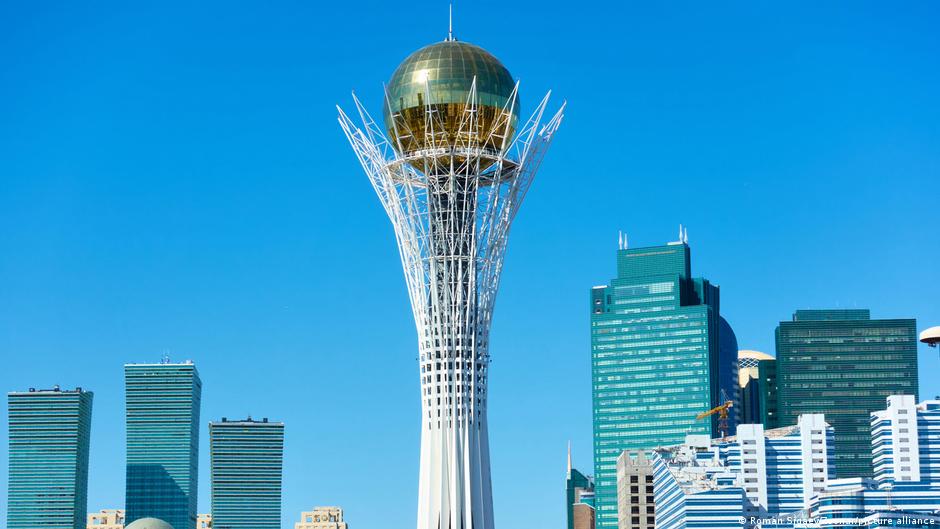
Kazakhstan held parliamentary elections on 23 August 2026, marking a significant structural shift in its governance framework. Under the recently adopted constitution, the legislative body has been transformed from a two-chamber system into a single-chamber assembly known as the Kurultai. Citizens were called to elect 145 members exclusively via party lists, a change that fundamentally alters the mechanism of political representation in the former Soviet state.
The ruling Adilet party, led by President Kassym-Jomart Tokayev, is widely expected to secure a decisive victory. All seven registered parties were admitted to the contest, yet analysts suggest the outcome was largely predetermined. Luca Anceschi, a Professor of Eurasian Studies at the University of Glasgow, noted that the new parliament is likely to mirror its predecessor in function, effectively representing the regime’s preferences rather than a diverse political spectrum.
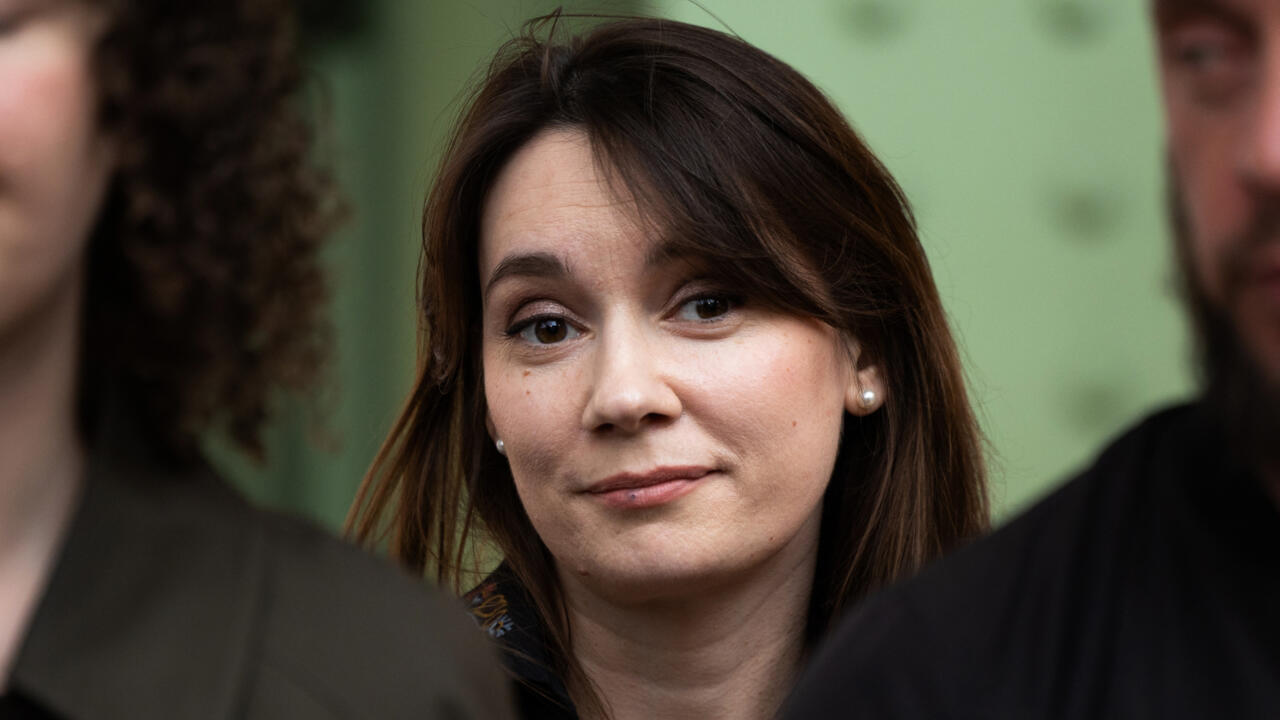
A key feature of the new electoral system is the exclusion of independent candidates, a move that critics argue narrows the scope for genuine political choice. Zauresh Battalova, a former Kazakhstani senator who now heads the Foundation for the Development of Parliamentarism in Kazakhstan, emphasised that the absence of a robust opposition and limited party competition leaves voters with extremely narrow options. She argued that the true measure of the legislature lies not in its structure, but in its autonomy and ability to oversee the executive branch.
The election is viewed as a strategic move to consolidate Tokayev’s power while weakening the political bloc associated with former President Nursultan Nazarbayev, who led the country from 1991 to 2019. Constitutional amendments approved earlier in the term also allow Tokayev to seek another seven-year presidential term in 2029, further entrenching his position within the state apparatus.
Geopolitically, Kazakhstan continues to navigate a delicate balance between the European Union, Russia, and China. The country has maintained a neutral stance during the Russia–Europe standoff, neither officially opposing nor joining European sanctions against Russia. This position has been described by experts as a "geopolitical comfort zone," though maintaining such neutrality may prove challenging as external pressures intensify.
The European Union’s relationship with Kazakhstan is increasingly pragmatic, driven by energy security and trade interests. In 2025, Kazakhstan became the second-largest oil exporter to the EU, accounting for 12.8% of imports with 55.8 million tons of crude oil, surpassed only by the United States. Consequently, EU member states and the European Commission are expected to remain largely silent on the deterioration of political freedoms, prioritising resource access and alternative trade routes over traditional rule-of-law critiques.