Kazakhstan’s Adilet party secures parliamentary mandate under new constitutional framework
The newly formed pro-government bloc has won more than 71 per cent of the vote, a result that aligns with President Kassym-Jomart Tokayev’s recent structural reforms and the creation of a single-chamber legislature.
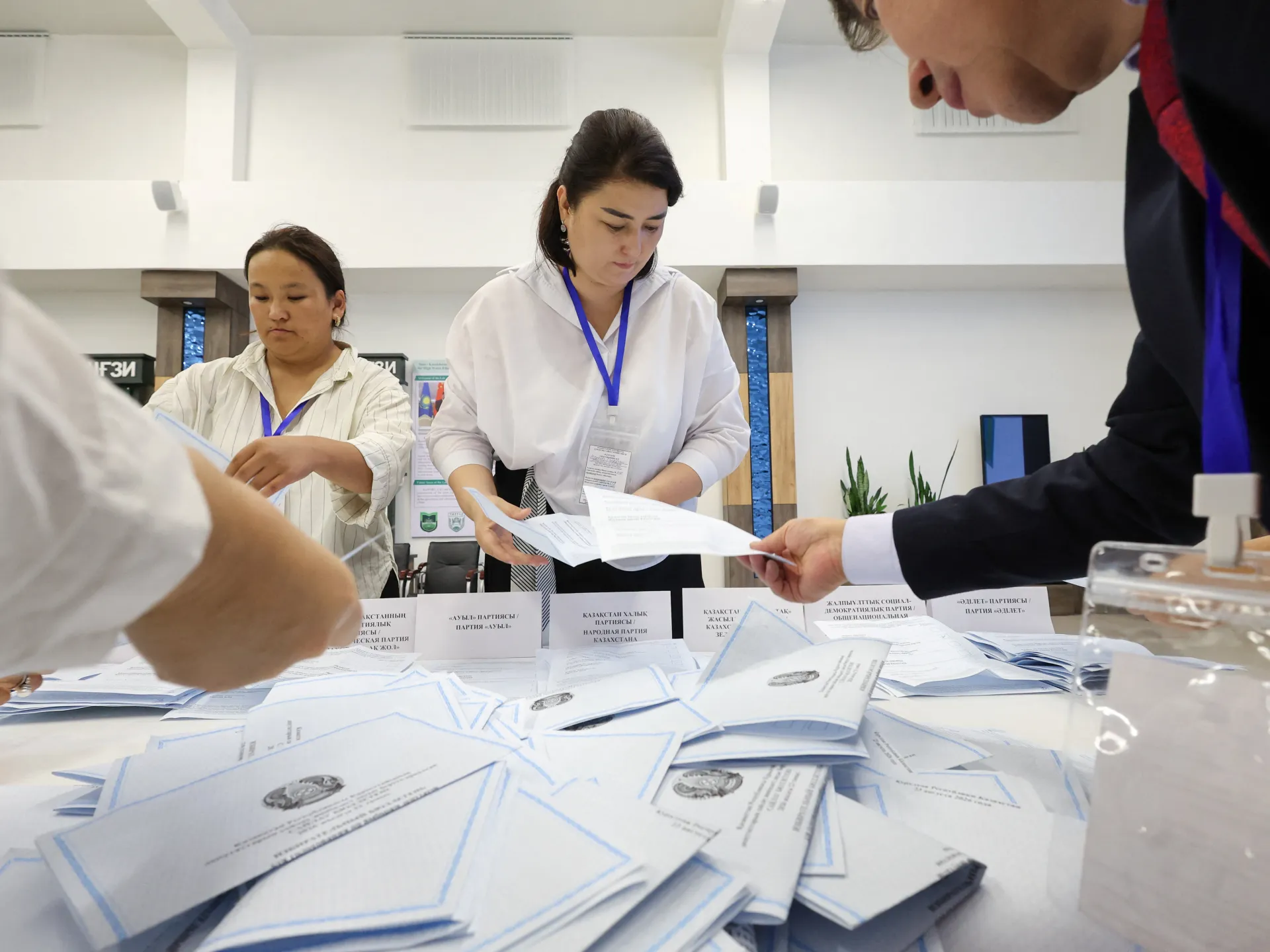
Kazakhstan’s electoral commission has confirmed that the pro-government Adilet party has secured more than 71 per cent of the vote in Sunday’s parliamentary election. The result is expected to consolidate the political position of President Kassym-Jomart Tokayev, who has led the country since 2019.
The election was necessitated by a new constitution adopted earlier this year, which restructured the legislature from a two-chamber system into a single 145-member body known as the Kurultai. Officials stated that the structural change aims to give parliament greater weight in political decision-making, moving away from a system where the legislature played a largely auxiliary role under a concentrated presidency.
Four other blocs also entered the new parliament: the pro-business Respublika and Ak Zhol parties, the centre-left Nationwide Social Democratic Party, and the Auyl party, which represents rural voters. All four parties are viewed as broadly supportive of Tokayev’s administration. Turnout was recorded at 74 per cent among approximately 12.6 million eligible voters.
Adilet was founded earlier this year and is led by Tokayev’s top aides. Shortly after its inception, the party absorbed the previous ruling party, Amanat. This consolidation follows a period of significant political transition, including the Supreme Court’s ruling last month that the new constitution permits Tokayev to run for a new seven-year term.
The election takes place against the backdrop of the “Just Kazakhstan” reform programme, launched following riots in 2022 that resulted in 238 deaths. Tokayev has described his administration as an effort to move away from the legacy of his predecessor, Nursultan Nazarbayev, who ruled from 1991 to 2019.
While voting in Astana, Tokayev indicated it was too early to determine whether he would seek another term. He stated that he would name a candidate for the newly created vice presidency within seven to 10 days, describing the future appointee as a “well-known” person.