Kashmiri Wazwan tradition shifts as wedding work tests family legacy
Srinagar chef Ghulam Nabi Baba says the feast’s labour-intensive methods endure, while his son is carrying on the family tradition through restaurant work.
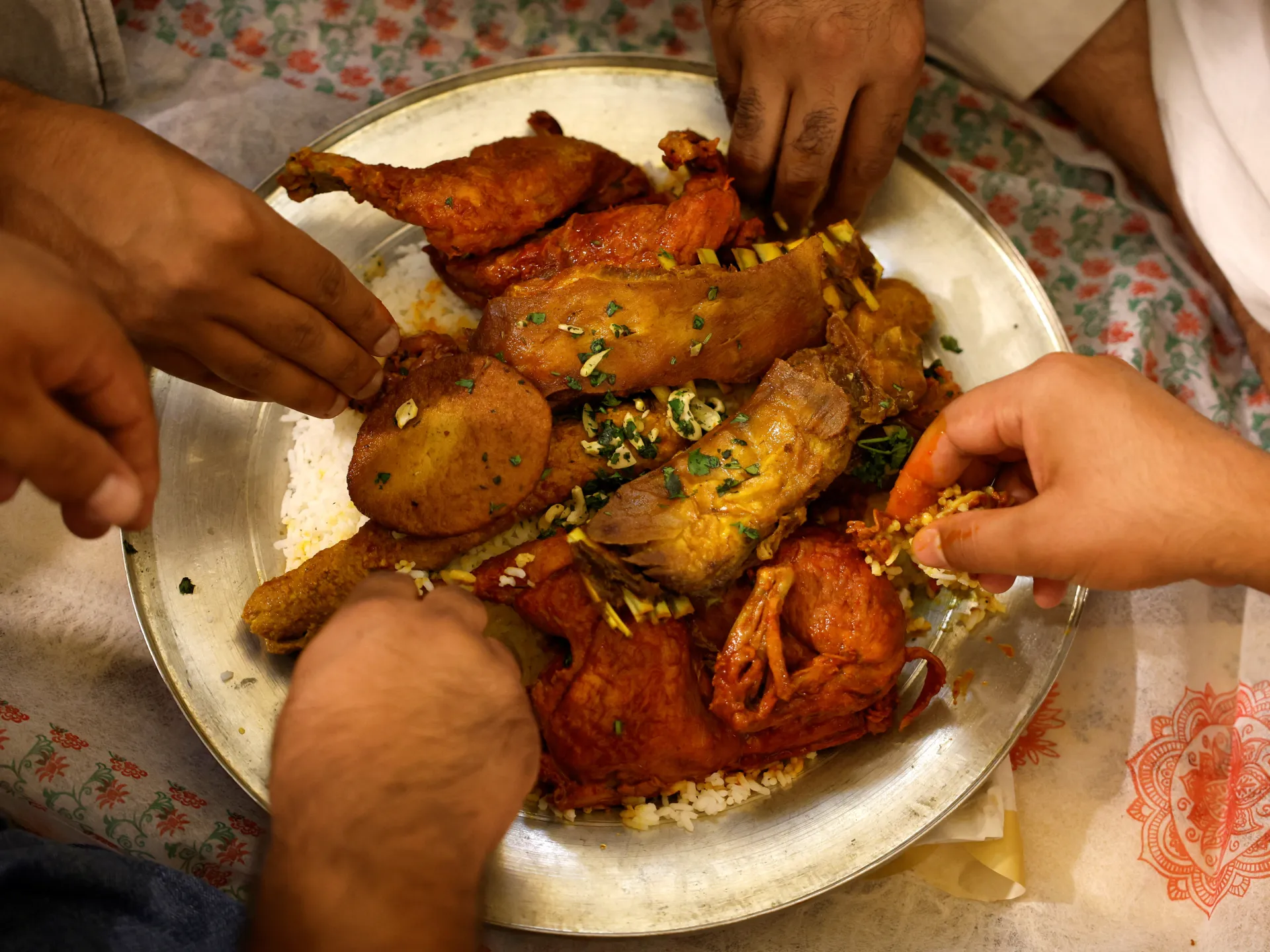
Wazwan, a multi-course mutton feast served at traditional Kashmiri weddings, is adapting to modern working lives while retaining its established cooking methods, according to a report by Al Jazeera.
The report traces the feast’s arrival in Kashmir to the 14th century, brought by chefs from Central Asia. It describes Wazwan as both a marker of social status and a symbol of Kashmiri identity.
Veteran Srinagar chef Ghulam Nabi Baba says the menu has expanded from seven mutton dishes to around 20 over generations. He says the number of dishes and the quantity of meat can reflect a family’s wealth.
Baba recalls cooking 4,500kg of meat for one wedding in Delina about 40 years ago. He says an average marriage involves about 200kg.
Despite the larger menu, Baba says cooks still pound lightly spiced meat by hand and simmer it slowly over wood fires. He began cooking with his father at 15.
Baba’s son has chosen restaurant work over wedding catering, which he considers exhausting because of its round-the-clock demands. He sees the restaurant as a way to continue the family’s culinary legacy in a different setting.