Kashmir libraries face mass audit over ‘anti-national’ content
The July 9 directive mandates institutions to vet books, journals, and digital resources for content promoting secessionism, sparking arrests and widespread anxiety among residents and academics.
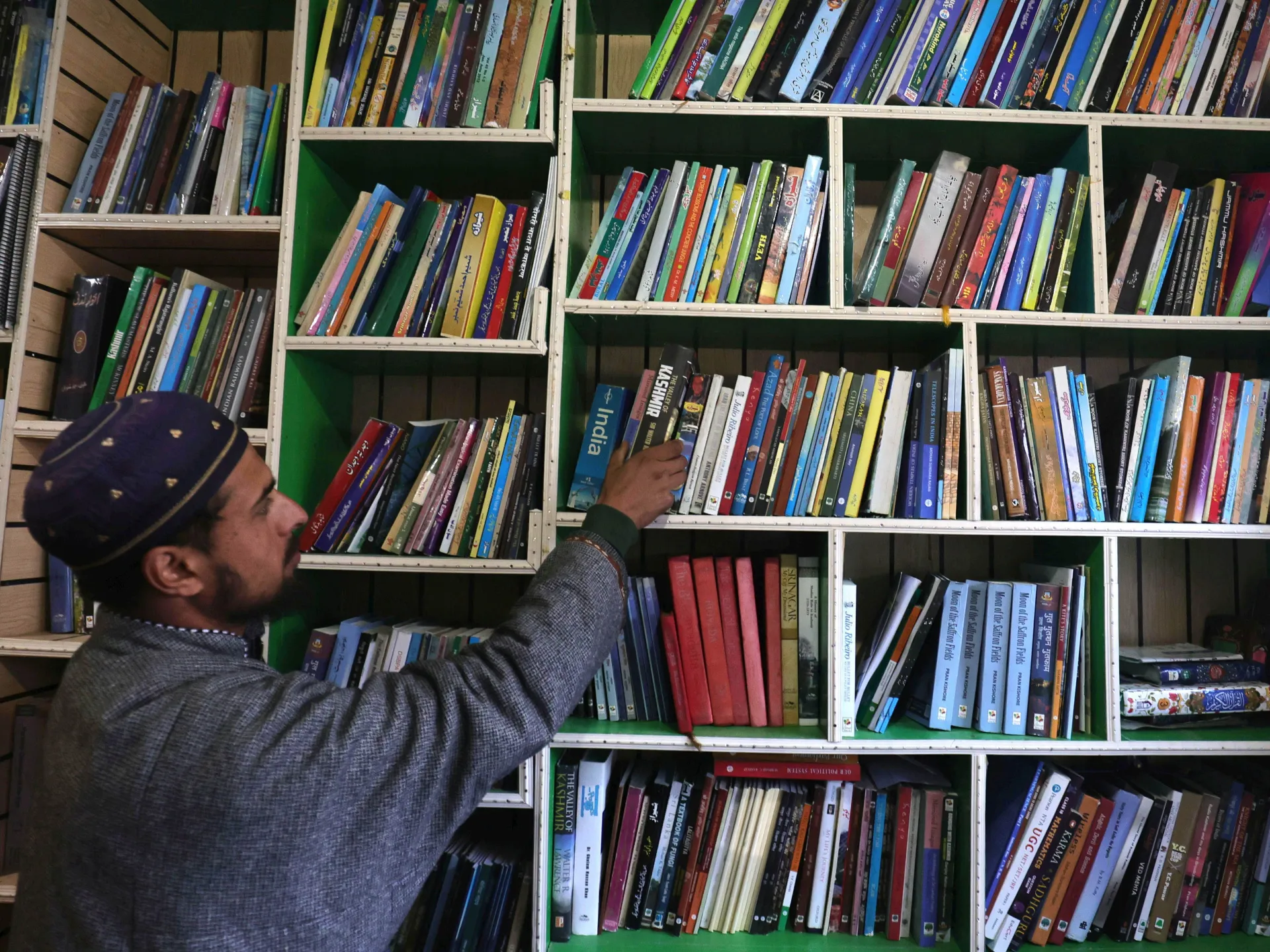
Authorities in the Union Territory of Jammu and Kashmir have initiated a sweeping audit of school, college, and public libraries to remove publications classified as containing “objectionable” or “seditious” material. The directive, issued by the government on July 9, compels educational institutions to screen books, journals, dissertations, and digital resources to prevent the circulation of content that allegedly promotes terrorism, secessionism, or threatens national sovereignty.
The crackdown was triggered by a demand from Bharatiya Janata Party (BJP) politician Sunil Sharma to ban the book *Personalities and Legends of J&K*, authored by Hilal Ahmad and Santosh Meena. The 240-page text includes entries on separatist leaders such as Maqbool Bhat, whom the book describes as a “martyr”, and Syed Ali Shah Geelani, who characterised Kashmir as a disputed region awaiting UN resolution. Sharma described the presence of such texts as “academic jihad” and argued they were intended to incite unrest and revive separatist ideology among the youth.
Police have arrested three individuals, including publishers, charging them with endangering India’s sovereignty, unity, and integrity. The inquiry was broadened from school libraries to include research publications and digital content stored by universities. Authorities are also investigating how books with “seditious content” entered public and educational institutions, despite these entities being subject to strict oversight. A second book, *Great Personalities of Jammu and Kashmir* by Sushant Giri, was also targeted, having been provided to libraries under a government-funded programme.
Residents, journalists, and academics report widespread anxiety and self-censorship regarding the possession of books discussing Kashmir’s history and human rights issues. A senior Kashmiri journalist told Al Jazeera that writing or reading about the region’s past has become fraught with risk, leading to the removal of archival books from personal collections. Bookshop owners in Srinagar expressed confusion over which titles to retain, while academics described the audit as “memoricide” aimed at altering the perception of Kashmiris’ lived experiences.
This event follows a previous crackdown last year where 25 books were banned and over 668 titles were confiscated from bookshops in Srinagar. Critics, including journalist Anuradha Bhasin and political scientist Sumantra Bose, have condemned the measures as an exercise in intimidation designed to criminalise the act of reading. Bose described the latest orders as “absurd”, noting that the effort to find “needles in a million haystacks” is not a sensible path for governance.