Jury selection commences in civil trial between Elon Musk and OpenAI founders over alleged mission drift
The outcome of the case presided over by US District Judge Yvonne Gonzalez Rogers could significantly alter the balance of power within the global artificial intelligence sector.
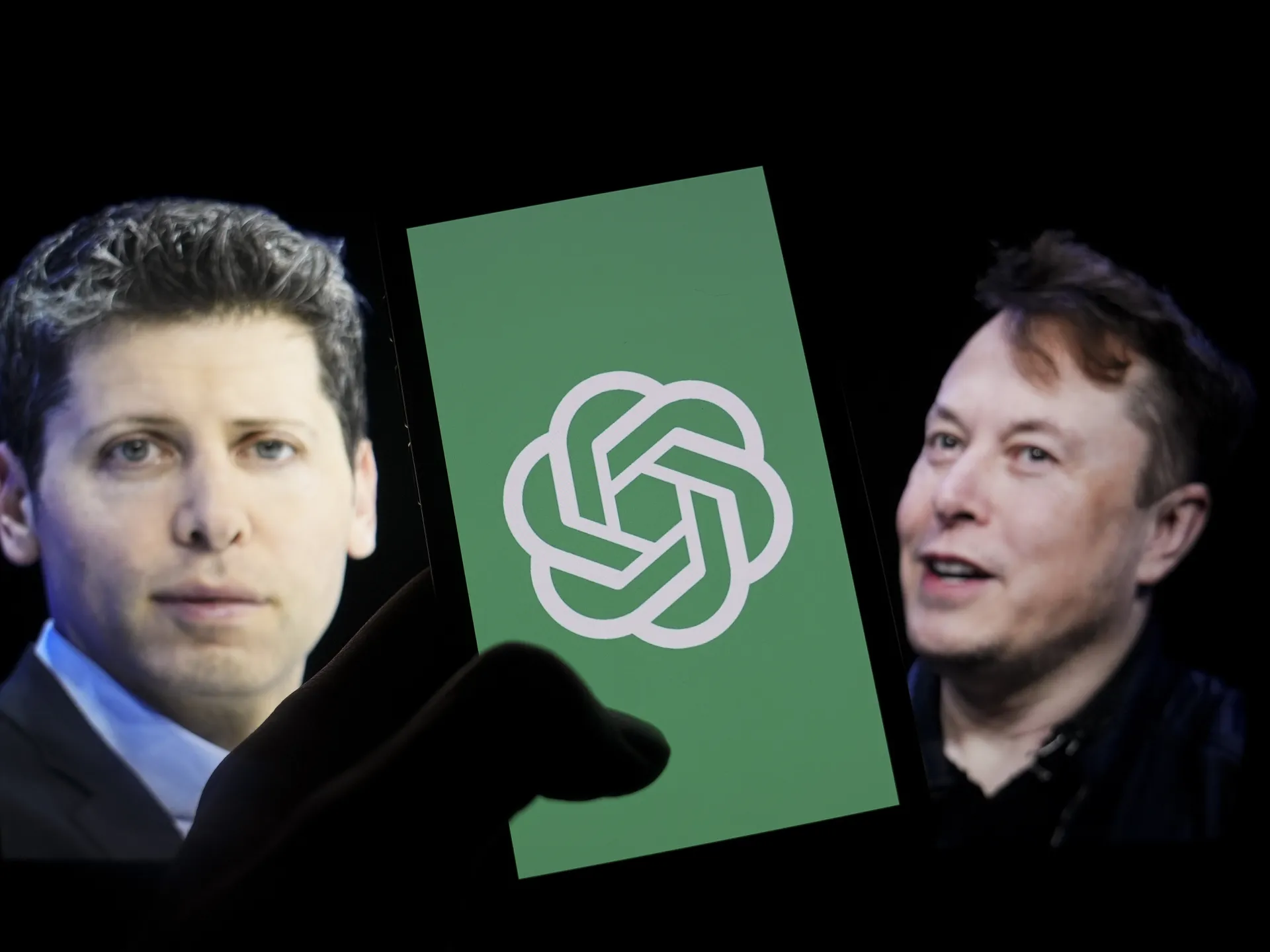
Jury selection has commenced in Oakland, California, for a high-stakes civil trial between technology tycoon Elon Musk and OpenAI co-founders Sam Altman and Greg Brockman. The proceedings, which began on Monday, focus on allegations of betrayal and deceit surrounding the company's transition from a nonprofit start-up to a capitalistic venture. The lawsuit, originally filed in August 2024, accuses the defendants of concealing plans to prioritise profit over the altruistic mission that defined the organisation since its inception in 2015.
The core of the dispute lies in the evolution of OpenAI, which was primarily funded by Musk before becoming a business now valued at $852 billion. According to the plaintiff, Altman and Brockman exploited Musk's name and financial support to create a wealth machine while keeping him in the dark about their strategic shifts. Musk seeks damages and specific structural changes, including the removal of the two executives from OpenAI's board and officer roles, alongside a demand that the company revert to its original nonprofit status.
Internal documents have been introduced as key evidence in the courtroom, including a diary entry from Greg Brockman dating to autumn 2017. In the entry, Brockman expressed frustration with Musk's leadership, questioning whether the billionaire was the "glorious leader" he would have chosen. These revelations form part of thousands of pages of internal records that the court has reviewed, highlighting the deepening rift between the parties regarding the governance and direction of the artificial intelligence firm.
OpenAI has firmly dismissed the allegations as an unfounded case of sour grapes intended to undermine its rapid growth and bolster Musk's competing venture, xAI. The company maintains that the claims are designed to undercut its progress rather than reflect any genuine breach of trust or mission. Despite these denials, the trial is expected to scrutinise the leadership dynamics and decision-making processes that guided the organisation through its transformation from a non-profit experiment to a major commercial entity.
The legal proceedings carry significant implications beyond the immediate parties involved, potentially reshaping the strategic landscape of the artificial intelligence industry. The verdict could influence how future technology giants are structured and governed, particularly regarding the tension between altruistic technological stewardship and commercial viability. As the jury considers the evidence, the case stands as a critical test of the boundaries between public-interest technology and private enterprise.
Musk faces additional reputational and financial risks as he awaits a verdict on his previous fraud liability regarding the 2022 takeover of Twitter. This concurrent legal pressure comes at a time when his rocket manufacturer, SpaceX, plans to go public this summer via an initial public offering. Any damaging details revealed during the trial regarding Musk's business tactics could impact investor sentiment ahead of the listing, which could potentially make him the world's first trillionaire.