JP Morgan chief warns Burnham bank tax hike could sink London headquarters
The banking giant’s chief executive has issued a stark warning to the new prime minister, stating that a hostile tax environment could force the cancellation of a £3bn Canary Wharf project.
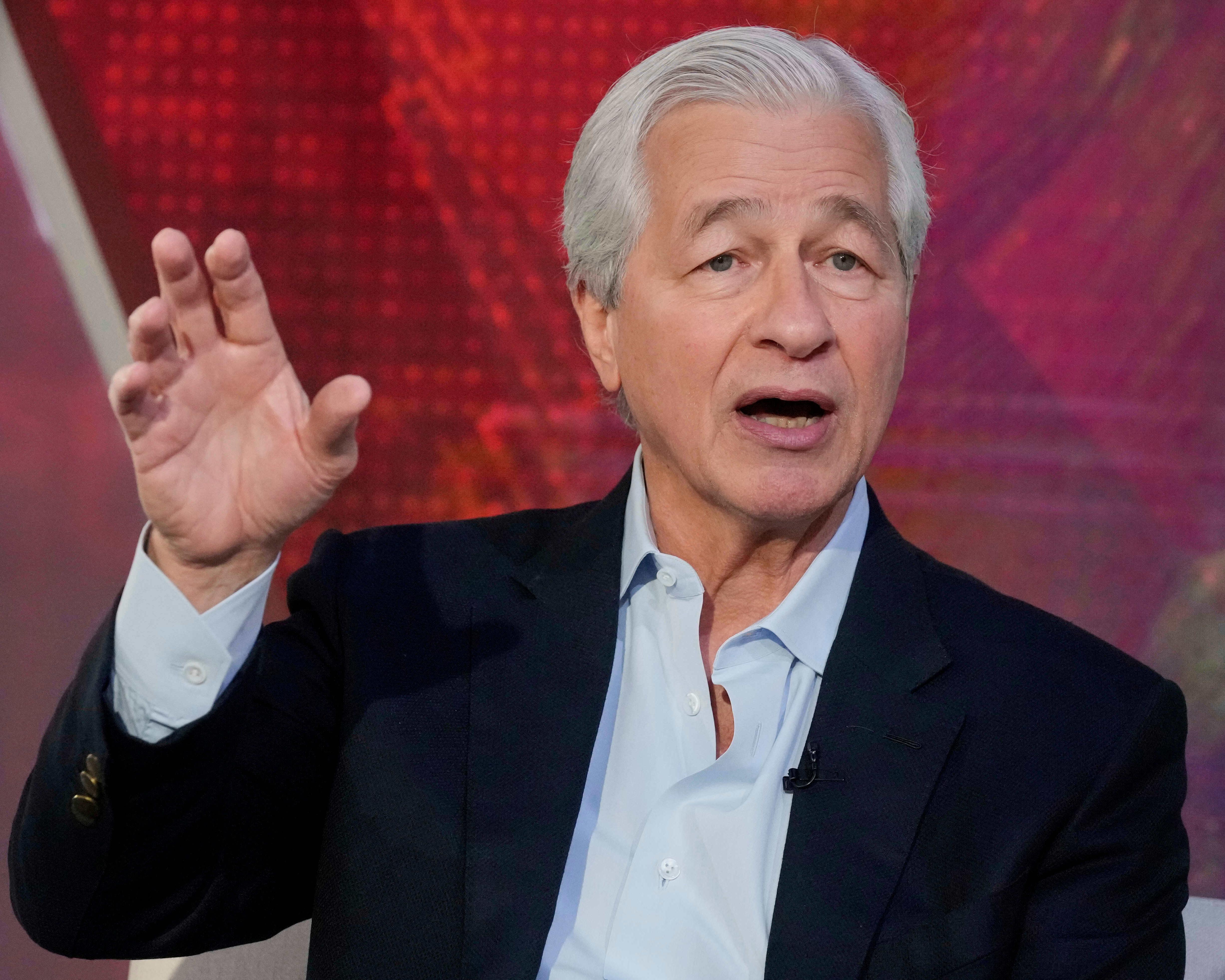
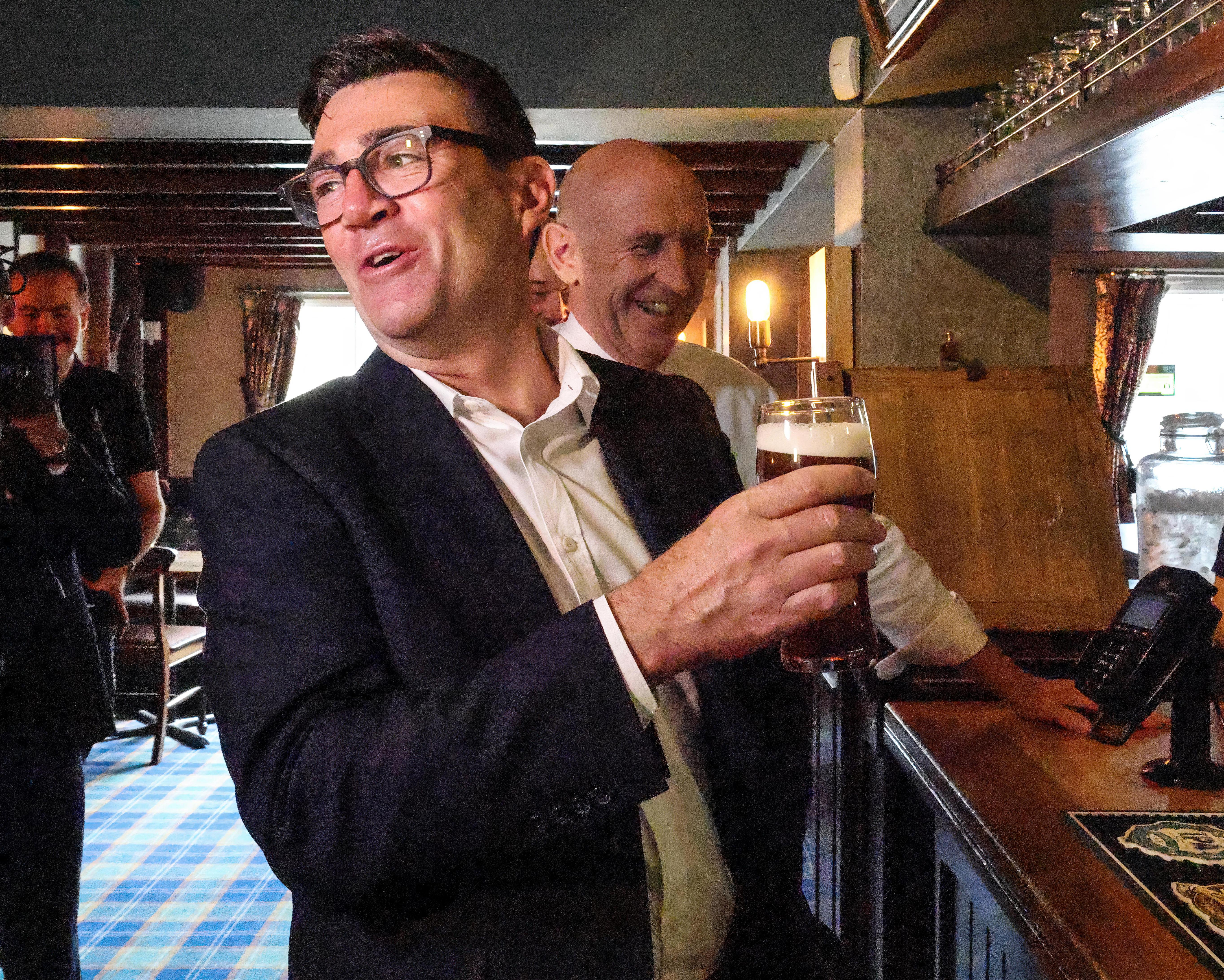
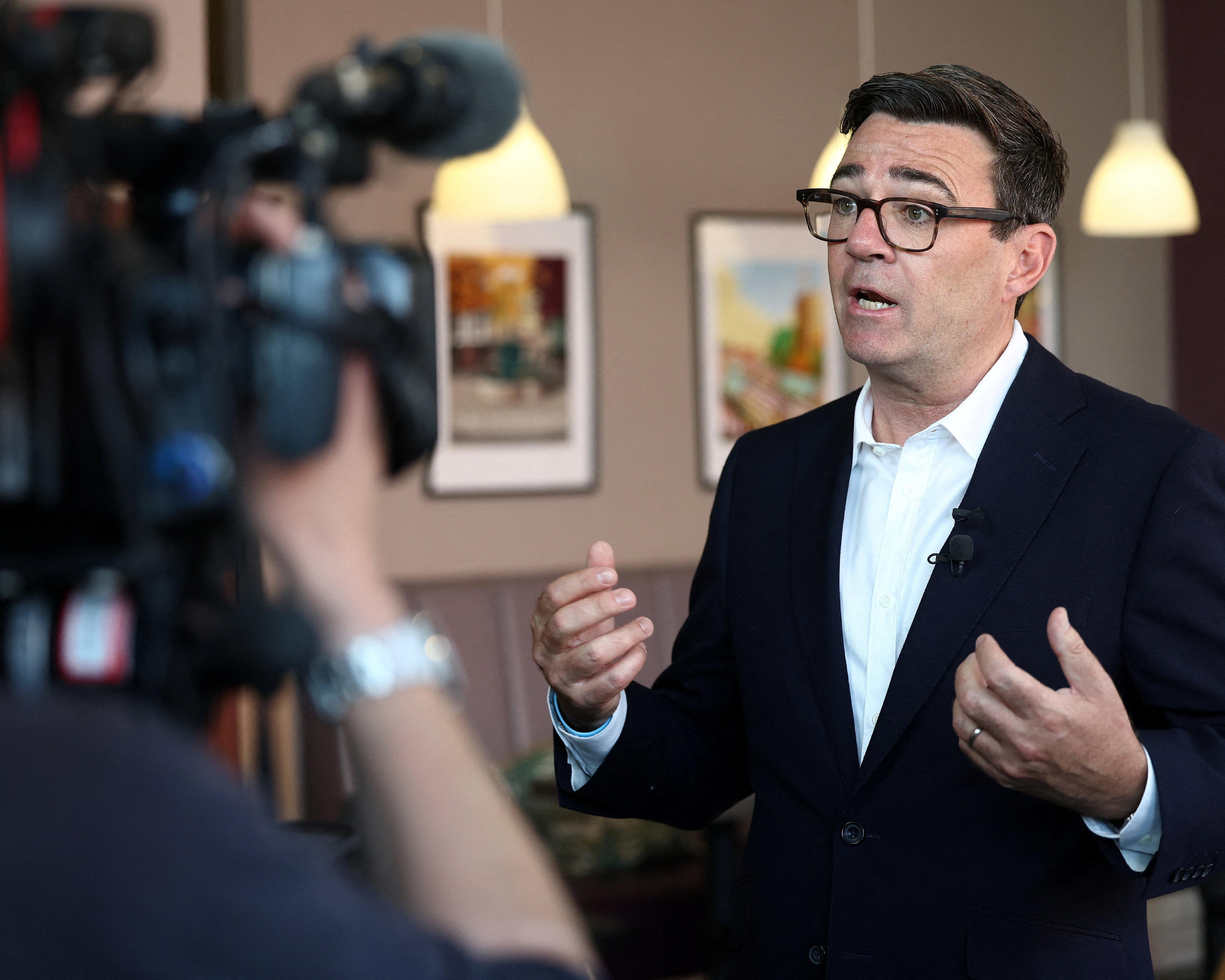
Jamie Dimon, chief executive of JP Morgan, has cautioned UK Prime Minister Andy Burnham against increasing taxes on the banking sector, warning that such measures could jeopardise the bank’s planned £3bn headquarters in London’s Canary Wharf. Speaking on the Master Investor Podcast, Dimon argued that higher levies would have adverse consequences for shareholders and capital formation, potentially driving investment away from Britain.
The warning arrives amid growing pressure from trade unions to reverse previous cuts to the bank surcharge. The Trades Union Congress has claimed that reinstating the higher rate could raise £9bn over four years, a figure that has drawn attention from policymakers seeking new revenue streams. However, Dimon emphasised that the burden of such taxes ultimately falls on investors, noting that his shareholders effectively paid $5bn in additional costs due to previous tax increases.
Dimon, who has a history of criticising the UK’s bank tax surcharge, highlighted that banks currently pay a 28% corporation tax rate, which is higher than the standard 25% applied to other companies, alongside a separate levy on UK balance sheets. He urged the government to exercise caution, stating that penalising any company out of the ordinary is rarely beneficial for the country. He described the bank as a "great citizen" that hires locally and wishes to expand its presence in the UK.
The chief executive gave the go-ahead for the 279,000 sq metre tower last year, shortly after the banking industry was spared increased taxes in former chancellor Rachel Reeves’s autumn budget. The project is designed to house more than half of JP Morgan’s 23,000 UK workforce. However, Dimon has previously indicated that the decision to proceed was conditional on the political climate, suggesting in May that he could scrap the project if a new prime minister proved hostile to the banking industry.
Describing the situation as a "binary decision," Dimon admitted he did not know what he would do if Burnham’s government chose to raise taxes for banks. He reiterated that the UK should maintain a competitive tax system consistent with capital formation to drive growth. Pointing to the number of companies that have delisted from London in recent years, he warned that uncompetitive tax systems inevitably lead to capital flight.