Journalist links Adani’s rise to Modi’s political ascendancy amid oligarchy claims
Investigative reporter cites lack of action by government agencies and personal legal risks as evidence of systemic corruption
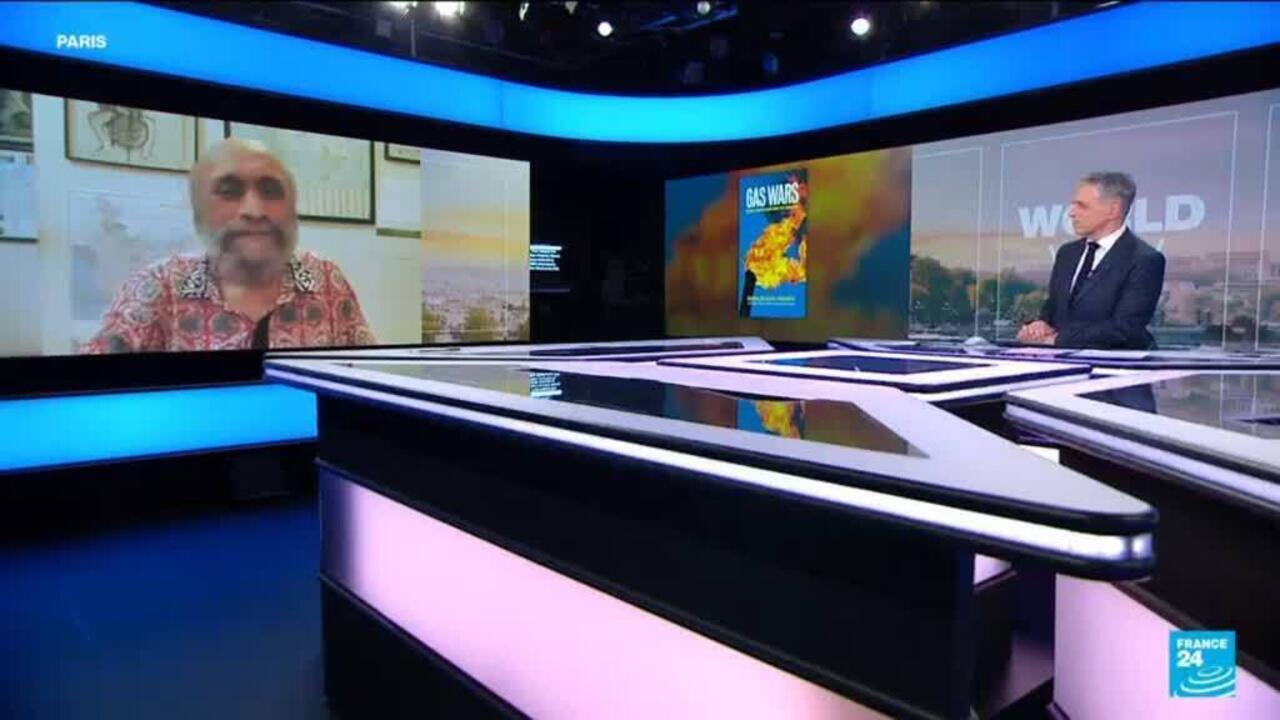
Indian investigative journalist Paranjoy Guha-Thakurta has drawn a direct line between the political ascendancy of Prime Minister Narendra Modi and the expansion of billionaire industrialist Gautam Adani’s business empire. Speaking on France 24’s Spotlight programme on 20 May 2026, Guha-Thakurta argued there was a “remarkable correlation” between the two figures, describing them as “very, very close friends” and suggesting that oligarchic wealth has become deeply embedded within the Indian state.
The journalist’s comments came amid a broader discussion on the nexus between political power and concentrated wealth in India. Guha-Thakurta critiqued the lack of action by Indian government agencies regarding public evidence related to Adani, questioning why authorities had not acted on information already in the public domain. He attributed this inaction to Adani’s proximity to the Prime Minister, framing the situation as a case of “crony capitalism and oligarchy” that has weakened institutional accountability.
Guha-Thakurta also referenced ongoing scrutiny from international bodies, noting the context of U.S. Department of Justice investigations and alleged violations of the Foreign Corrupt Practices Act. While distinguishing between allegations and established evidence, he urged observers to “connect the dots” regarding the toxic convergence of politics, wealth, and power. He argued that criticism of Adani is frequently portrayed as criticism against India itself, a narrative he described as part of a broader strategy to shield powerful figures from scrutiny.
Highlighting the personal risks associated with investigative journalism in India, Guha-Thakurta revealed that he is currently facing seven defamation cases. He stated that he is the only citizen of India to be the recipient of such a number of cases, framing this legal pressure as a symptom of the intimidation and concentrated power that characterise the current political reality.
The broadcast underscored the challenges faced by journalists reporting on high-profile corruption allegations in India. Guha-Thakurta’s account serves as a stark reminder of the legal and professional dangers inherent in challenging established power structures, particularly when those structures are perceived to be intertwined with the highest levels of government.