Joi AI’s ‘Wellness’ Study Draws Criticism Over Methodology and Addiction Claims
A 28-day trial involving ten participants reported reduced stress and cravings, but neuroscientists label the findings as overstated and methodologically flawed.
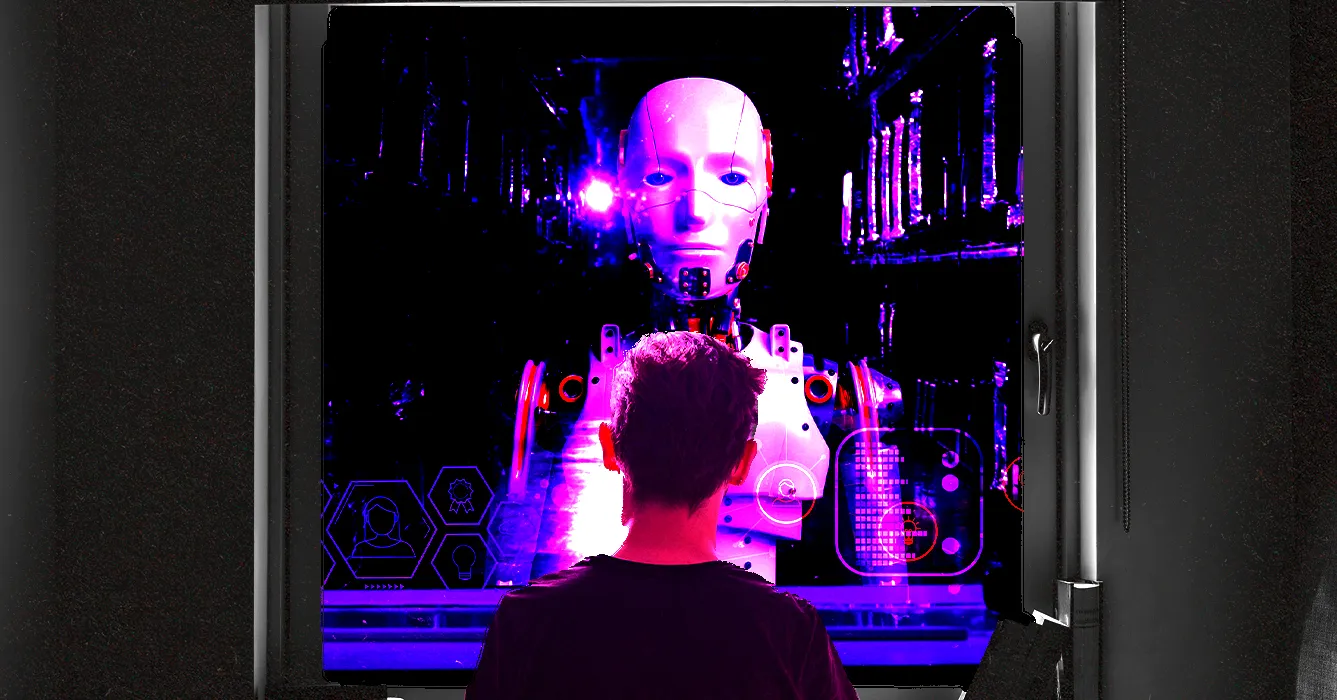
Joi AI, an artificial intelligence companion platform, has concluded a 28-day in-house study involving ten participants designated as “masturbation consultants.” The company promoted the trial as an “AI-guided wellness ritual” designed to address male loneliness and reduce cravings for vices, though independent experts have criticised the methodology and the firm’s claims regarding addiction management as lacking scientific evidence.
The study required participants to masturbate daily, excluding Sundays, for four weeks. Consultants were instructed to utilise Joi AI’s digital companions twice a week and their own preferred methods for the remaining days. More than 150,000 people applied for the ten positions, with participants selected via company handpicking and public competitions, including one judged by porn stars. Each consultant was paid $2,000 for their involvement.
Preliminary analysis of 134 masturbation session reports suggested that participants’ stress levels reduced by 25 per cent and focus increased by 17 per cent. The study group also reported a 44 per cent reduction in self-reported cravings for nicotine, alcohol, junk food, and doomscrolling after masturbating. Joi AI stated the findings indicated masturbation may be an accessible tool for managing addictions, a claim that Julie Levin, head of brand and communications at Joi AI, described as a potential breakthrough.
However, Nicole Prause, a neuroscientist studying human sexuality and addiction, described the company’s assertions as a “gross overstatement from the evidence they claim to have.” Prause noted there is no scientific evidence that masturbation reduces vulnerability to substance abuse and criticised the reliance on self-reported data without objective cognitive markers. She argued that without placebo controls or less bias-prone metrics, claims of increased focus remain unsubstantiated.
The trial included Keshav, an Indonesian trader, and Chloé Locatelli, a sex-tech researcher at King’s College London. While Keshav reported feeling more clear-minded and better equipped to approach women, Locatelli expressed concerns about AI companions becoming a “crutch” for sexual exploration. Joi AI’s pre-research survey of 2,500 adults found that 75 per cent masturbate to reduce stress, with 37 per cent open to or already practicing AI-guided masturbation.