JNIM escalates pressure on Mali junta with call for uprising and road blockade
Road access to Bamako and Kati is cut off as JNIM threatens reprisals against travellers, while air traffic remains open
The Group for the Support of Islam and Muslims (JNIM) has issued a public declaration calling for a broad uprising to overthrow Mali's military junta, coinciding with the initiation of a road blockade on key access routes into the capital, Bamako. This escalation follows coordinated weekend attacks by jihadist movements and Tuareg separatists against junta positions, which resulted in the death of Defence Minister Sadio Camara. The move marks a significant intensification of the conflict in a nation that has been grappling with political upheaval since the 2020 coup.
In a statement published on its Az Zallaqa platform, JNIM explicitly urged a "common front" involving political parties, religious authorities, traditional leaders, and all components of Malian society to bring down the regime. The group framed its demands around facilitating a "peaceful and inclusive transition," citing the need to unite forces across the national armed forces and civil society. This rhetoric follows the assassination of the defence minister, a key figure in the junta's security apparatus, which occurred during the recent coordinated assaults on military sites in Bamako, Kati, Gao, and Sevare.
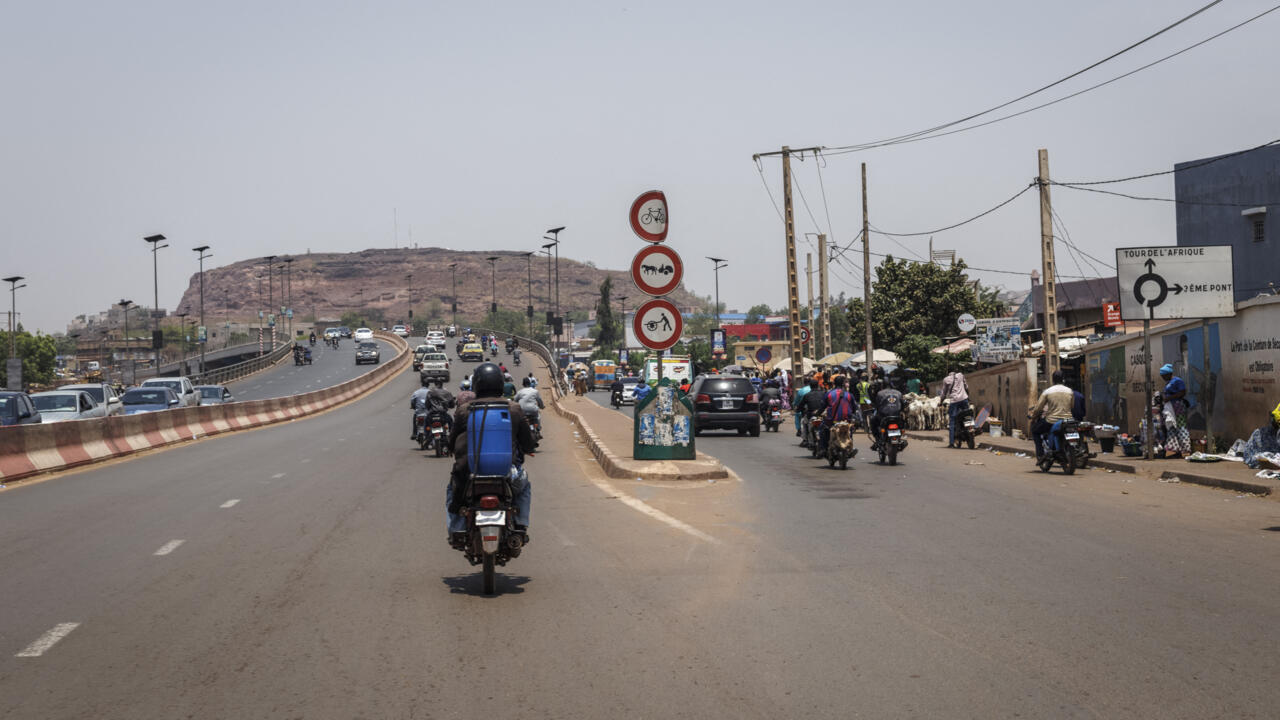
The practical implementation of this pressure campaign involves a blockade on critical infrastructure leading to the capital and the nearby town of Kati. A spokesperson for the group stated that the only concession being made is to allow people already inside Bamako to leave, while threatening severe reprisals against anyone travelling on roads leading to the capital or Kati. Consequently, hundreds of passenger and goods vehicles have been stranded at entry points, including major routes connecting to neighbouring port cities such as Conakry, Abidjan, and Dakar.
The disruption of these land routes poses an immediate threat to the landlocked nation's economy, which relies heavily on imports from Ivory Coast and Senegal. Transport operators reported that vehicles have been stuck since Wednesday, with anxiety mounting among drivers waiting for the situation to stabilise. While road access has been severely compromised, reports indicate that air traffic remains unaffected, providing a potential lifeline for essential supplies and personnel despite the ground-level restrictions.
Violence on the road to Sikasso, another vital link to Ivorian seaports, has also been reported, with sources claiming drivers were killed, though this specific allegation could not be independently verified. The junta responded to the weekend's attacks by holding a tribute ceremony for Minister Camara under tight security, attended by thousands of people including junta leader Assimi Goita. The ceremony took place at the military engineering battalion grounds in the centre of Bamako, highlighting the regime's attempt to maintain order amidst the deepening crisis.
The current blockade echoes a similar strategy employed by JNIM late last year, when the group attempted to cripple the Malian economy by restricting the supply of petrol and diesel from Ivory Coast and Senegal. This renewed campaign suggests a calculated effort to destabilise the military government's control over the country's logistics and fuel distribution networks. As the blockade takes hold, the focus remains on whether the junta can secure its supply lines or if the economic pressure will force a broader political confrontation.