Jet fuel crisis threatens European aviation solvency as Strait of Hormuz blockades drive costs to record highs
Major carriers are forced to impose surcharges and cut capacity while industry bodies urge Brussels to relax environmental regulations and coordinate emergency stock monitoring under the AccelerateEU plan.
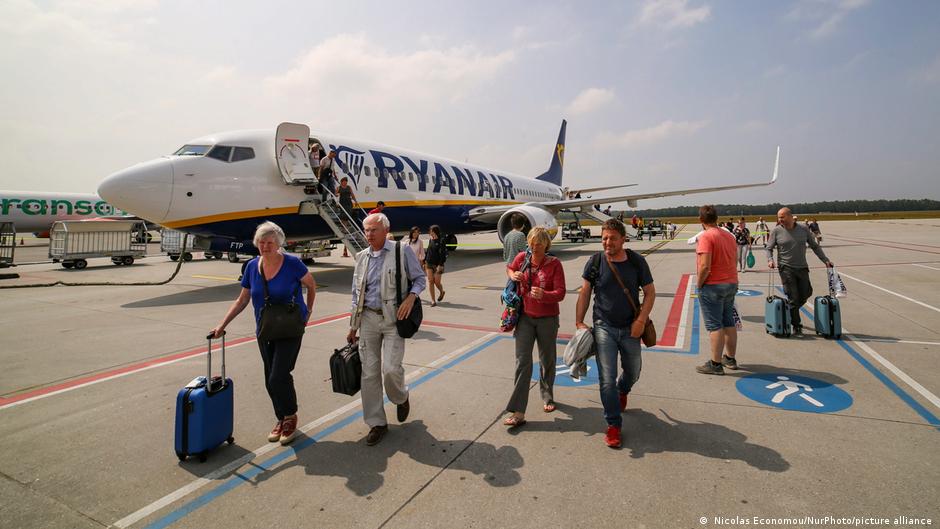
Escalating tensions between Iran and the United States following February attacks have resulted in blockades of the Strait of Hormuz, severing approximately 500,000 barrels of daily jet fuel imports to Europe. Consequently, European jet fuel prices have more than doubled, rising from €68.27 to €153.84 per barrel between February and April. With Europe holding only about six weeks of reserves against a daily consumption of 1.6 million barrels, major carriers including Air France-KLM and Lufthansa are implementing surcharges, cancelling thousands of flights, and reducing capacity to prevent insolvency.
The financial impact on the sector is already acute, with Air France-KLM reportedly imposing a €100 surcharge on long-haul flights and Lufthansa announcing the cancellation of 20,000 short-distance flights over the next six months. Scandinavian Airlines has also confirmed plans to cancel around 1,000 flights. Sebastien Justum, senior vice president of Air France-KLM, stated that airlines are obliged to take these measures to avoid bankruptcy within months, noting that fuel represents 25% to 50% of total operating expenses.
In response to the crisis, industry bodies including A4E and ACI are urging the EU to relax anti-tankering legislation and suspend the Emissions Trading System temporarily. A4E has specifically asked the EU to relax obligations under anti-tankering laws, which require flights to load 90% of needed fuel within the bloc, arguing that these rules must be eased to allow carriers to access cheaper fuel sources outside the region. ACI Europe has similarly called for imports from alternative locations and joint procurement by EU member states to mitigate an existential threat to regional airports.
The European Commission has launched the AccelerateEU plan to monitor jet fuel stocks and coordinate supplies across member states, aiming to prevent a national-level shortage from becoming a continent-wide panic. European Commission President Ursula von der Leyen highlighted that fossil fuel import bills have risen by over €27 billion in just 60 days of conflict, emphasising the importance of increased coordination in filling national gas storage and managing fuel reserves.
Despite these efforts, experts warn that monitoring and coordination may not prove a sufficient remedy if the crisis prolongs, as the EU cannot create fuel that is not available. Andrew Charlton of Aviation Advocacy noted that while current supplies are sufficient, the uncertainty regarding future availability and the extra cost of keeping tanks full are driving ticket prices up by 24% over the past year.
While officials encourage citizens to travel, the combination of higher fares, reduced capacity, and the threat of further cancellations suggests that summer travel plans may face significant disruption. The situation underscores the fragility of European air travel, which remains heavily dependent on imported refined products from the Middle East via a waterway that is now all but impassable.