Jerusalem school faces closure threat over Palestinian symbols
A senior Israeli lawmaker has issued a directive to shut down a Palestinian school in Jerusalem following the discovery of national symbols on the premises.
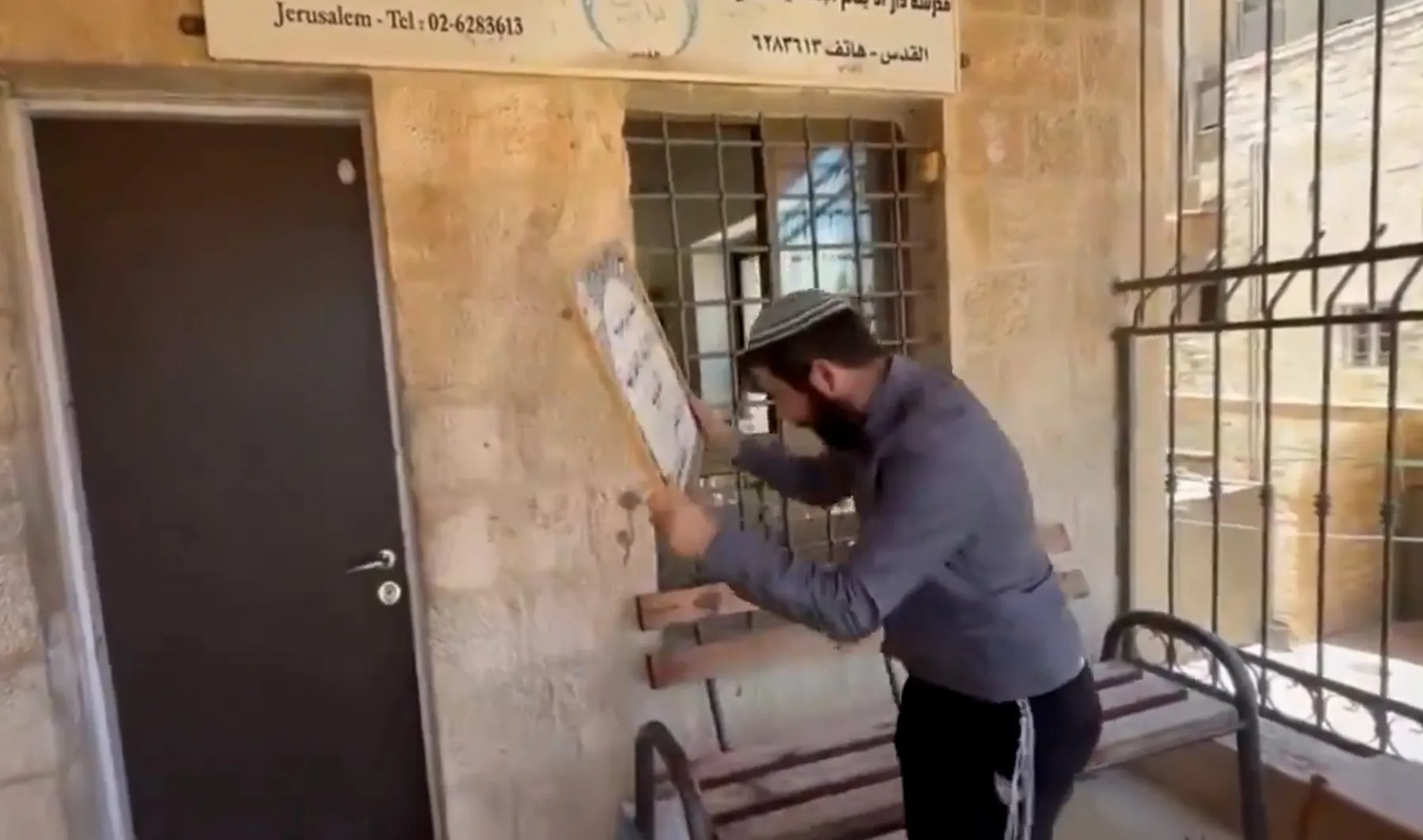
The head of Israel’s education committee has directly intervened in the administration of a school in Jerusalem, issuing a threat to close the institution. According to a report by Al Jazeera, the lawmaker, identified as a far-right politician, entered the school premises and cited the presence of Palestinian symbols as the primary reason for the proposed shutdown.
The incident marks a significant escalation in political oversight of educational institutions in the city. By targeting the school for its display of national iconography, the committee head has moved from legislative deliberation to direct operational interference. The report describes the entry as a raid, highlighting the abrupt nature of the political intervention into the daily functioning of the educational facility.
While the specific identity of the lawmaker was not named in the initial report, their position as head of the education committee grants them substantial authority over the sector. The move underscores the increasing politicisation of educational spaces in Jerusalem, where the display of national symbols is often a flashpoint for broader geopolitical tensions.
The exact nature of the symbols displayed within the school was not detailed in the available source material. However, the threat of closure suggests that the committee views the presence of these items as a violation of regulatory or policy standards under their jurisdiction. This action places the school’s future in immediate jeopardy, pending further administrative decisions.
It remains unclear whether the school was immediately shut down or if the threat serves as a preliminary warning. The report does not specify if the institution has been given a timeframe to remove the symbols or if the closure is already in effect. The ambiguity surrounding the implementation of the shutdown leaves the school community in a state of uncertainty regarding its operational continuity.
This event occurs against a backdrop of heightened sensitivity in Jerusalem, a city of profound religious and political significance. Interventions by senior political figures into local institutions often reflect wider strategic objectives or attempts to assert control over the narrative and physical landscape of the city. The education committee’s actions may signal a broader policy shift regarding the representation of Palestinian identity in public or semi-public spaces.
As the situation develops, the focus will likely shift to whether the threat translates into an enforced closure or if administrative processes will allow the school to remain open. The incident highlights the fragile balance between political authority and institutional autonomy in contested urban environments.