Jenrick accuses government of politicising Farage security after Widdecombe murder
Robert Jenrick alleges Home Secretary Shabana Mahmood neglected Reform leader’s safety needs, while ministers defend equal treatment protocols
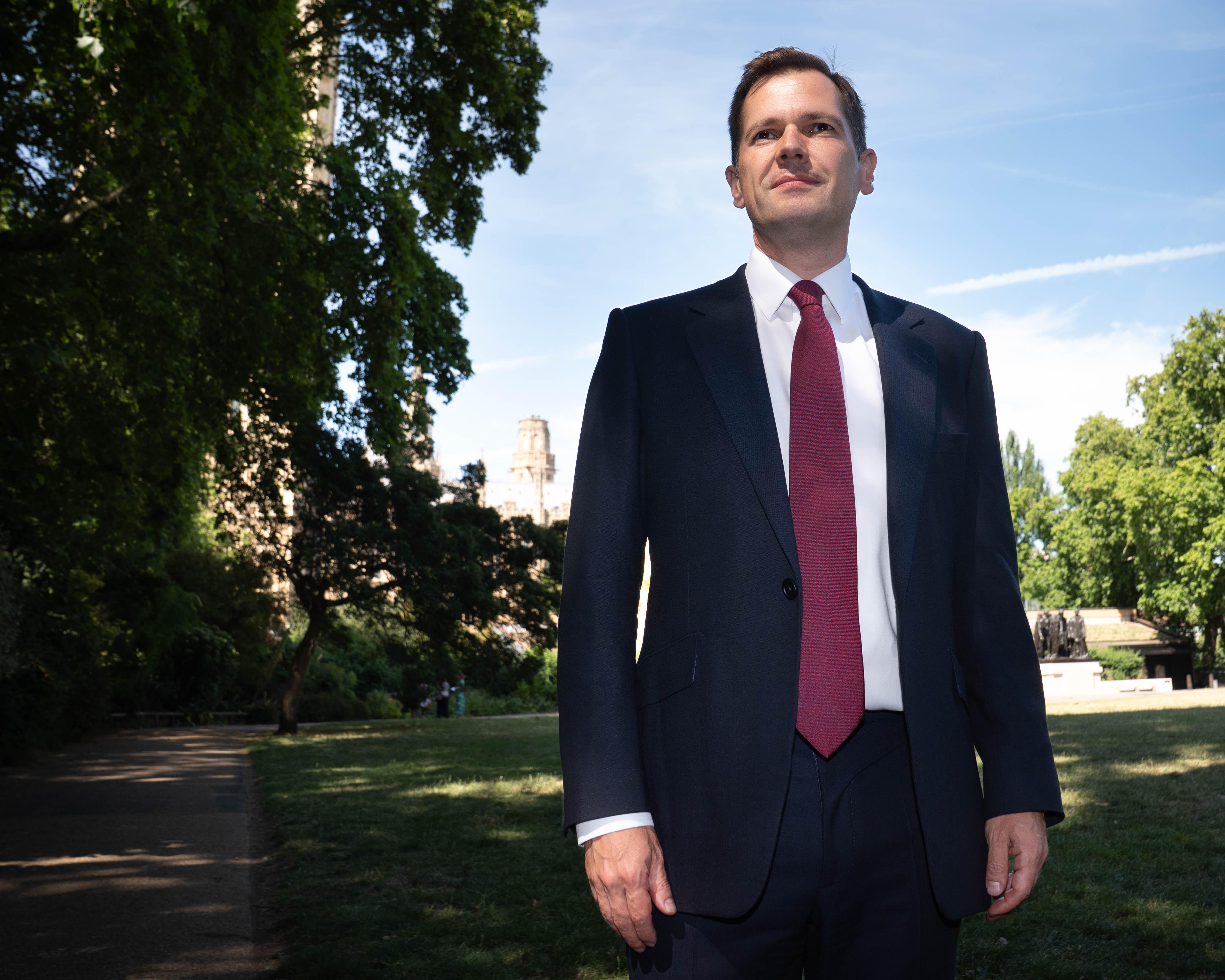
Reform UK Treasury spokesperson Robert Jenrick has levelled serious criticism at the UK government, alleging that ministers deliberately delayed security discussions for party leader Nigel Farage until after the murder of Ann Widdecombe. Speaking on BBC Radio 4’s Today programme, Jenrick asserted that the Home Office failed to provide the protection Farage required, arguing that the offer of a meeting with the Royal and VIP Executive Committee (Ravec) was a reactive measure rather than a proactive duty of care.
Jenrick claimed that the government’s hesitation stemmed from ideological friction, suggesting that officials were reluctant to engage with politicians who challenge the establishment. He accused Home Secretary Shabana Mahmood of playing politics with the safety of public figures, noting that she could have offered the security review a year or two prior but chose not to. The spokesperson insisted that the delay was only resolved following what he described as the "appalling murder" of the former Conservative minister and Reform spokesperson.
The controversy centres on reports that Farage previously rejected a state-funded security package, which included a bodyguard, a secure vehicle, and a trained driver. Jenrick confirmed that the Reform leader viewed this offer as a downgrade from a previous "comprehensive plan" he had received. He highlighted that authorities had "massively downgraded" Farage’s security shortly after his election to parliament, stating he could not see a valid explanation for the reduction and that the recent events have only brought this disparity to light.
In response, Home Secretary Shabana Mahmood maintained in the Commons that all members of parliament are treated equally regarding protection protocols. She noted that Widdecombe’s death had raised broader questions about the security of former MPs and politicians from smaller parties who do not hold seats in parliament. Farage responded on X by thanking Mahmood and confirming he would attend the meeting with the chair of Ravec to discuss security arrangements for all Reform politicians, including those outside of parliament.
The debate over political safety has intensified amidst a wider climate of intimidation. Treasury minister Lucy Rigby described the current environment for public figures as "horrific," citing an increasing culture of abuse and violence, particularly via social media. Meanwhile, counter-terrorism police continue their investigation into Widdecombe’s death, with a 28-year-old man from Rotheram rearrested on suspicion of terrorism-related offences following his initial arrest for murder.