Jazz explore trade-up to No. 1 for Dybantsa amid cautious Ainge strategy
With the 2026 NBA Draft approaching, Utah Jazz president Danny Ainge faces a strategic decision on whether to leverage a 2029 first-round pick to secure AJ Dybantsa, as the lack of a consensus top prospect complicates the valuation of the No. 1 selection.
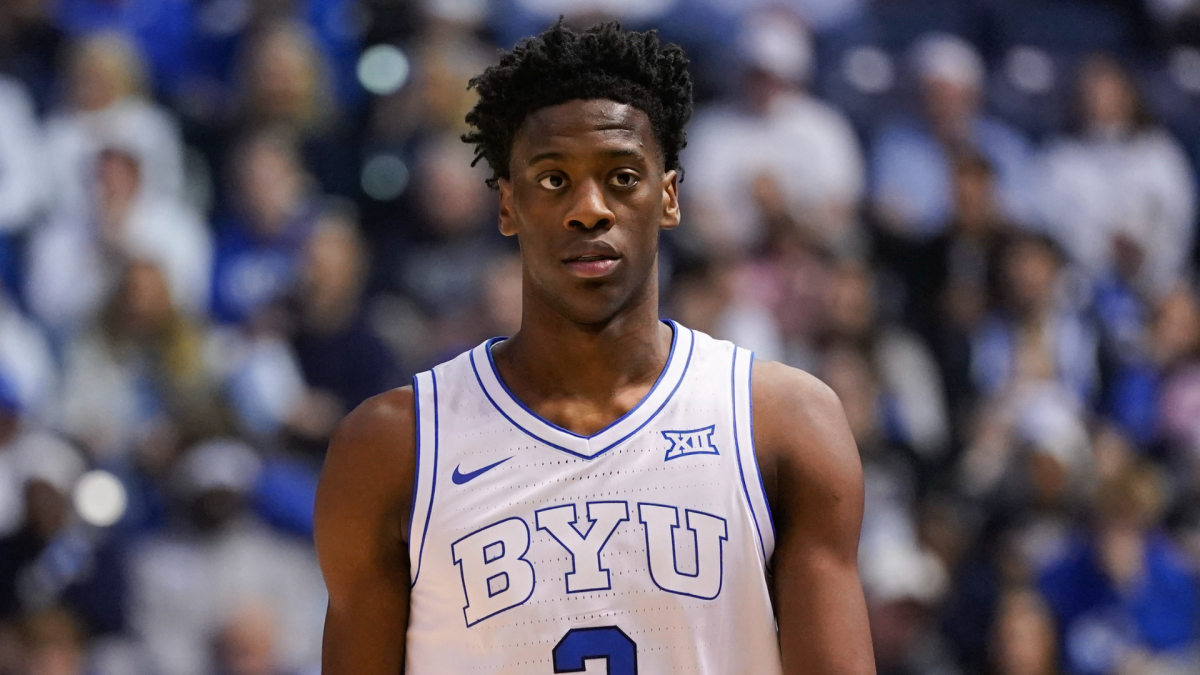
The Utah Jazz are actively exploring a trade to move from the second to the first overall pick in the 2026 NBA Draft, targeting AJ Dybantsa. The Washington Wizards, who hold the top selection, have indicated openness to moving down the order. This potential transaction is driven by Dybantsa’s strong organisational ties to Utah, including his time at BYU, the alma mater of Jazz owner Ryan Smith and basketball operations executives Danny and Austin Ainge. Smith, a major donor to the university, previously helped finance Dybantsa’s NIL package, while CBS Sports analyst Adam Finkelstein reported that the prospect expressed a desire to remain in Utah during the NBA Combine.
Despite the personal connections, the decision to trade up is complicated by the absence of a clear consensus on Dybantsa as the unequivocal top prospect. Unlike the 2023 draft class which featured Victor Wembanyama, the 2026 pool includes Duke’s Cam Boozer, Darryn Peterson, and Caleb Wilson, all ranked highly by different analytical models. A scout from a lottery team noted that the broadcast narrative surrounding Dybantsa as a foregone conclusion was surprising, highlighting that the gap between the top four prospects is not significant enough to justify sacrificing established assets.
The most frequently cited asset in trade discussions is Ace Bailey, the Jazz’s No. 5 pick from the previous year. Bailey averaged 13.8 points per game as a rookie and plays a scarce position on a cheap contract. However, analysts suggest that trading a current star like Bailey is unlikely given his proven value. Instead, the Jazz would likely need to offer a valuable future first-round pick, such as their unprotected 2029 selection, which is derived from a complex protection swap involving the Cavaliers and Timberwolves.
Jazz president Danny Ainge’s historical approach to asset management suggests a cautious stance. Known for avoiding overpaying for single players, Ainge previously traded down from the No. 1 pick in 2017 to select Jayson Tatum after concerns about Markelle Fultz. He also famously turned down significant offers for Lauri Markkanen over the past four years. While Smith has stated that "everything should be on the table," Ainge’s track record indicates he is unlikely to blink in high-leverage negotiations unless a clear strategic advantage emerges.
Washington Wizards president Michael Winger has signalled that the team is open to moving down, but the leverage dynamics remain complex. If Utah initiates talks, it may signal desperation, whereas Washington could wait for other teams like the Grizzlies or Bulls to make moves. Historically, trade-ups within the top five have cost a single first-round pick of varying value. Given the Jazz’s robust asset accumulation and the lack of an immediate roster hole for Dybantsa, a historic haul of picks or current stars is considered unlikely unless the Wizards’ draft board shifts significantly.