Jason Collins, trailblazing NBA player, dies aged 47 following cancer battle
The 2.13-metre centre, who came out in 2013 and played 13 seasons for teams including the Houston Rockets and Boston Celtics, is remembered for his legacy of inclusion and dignity.
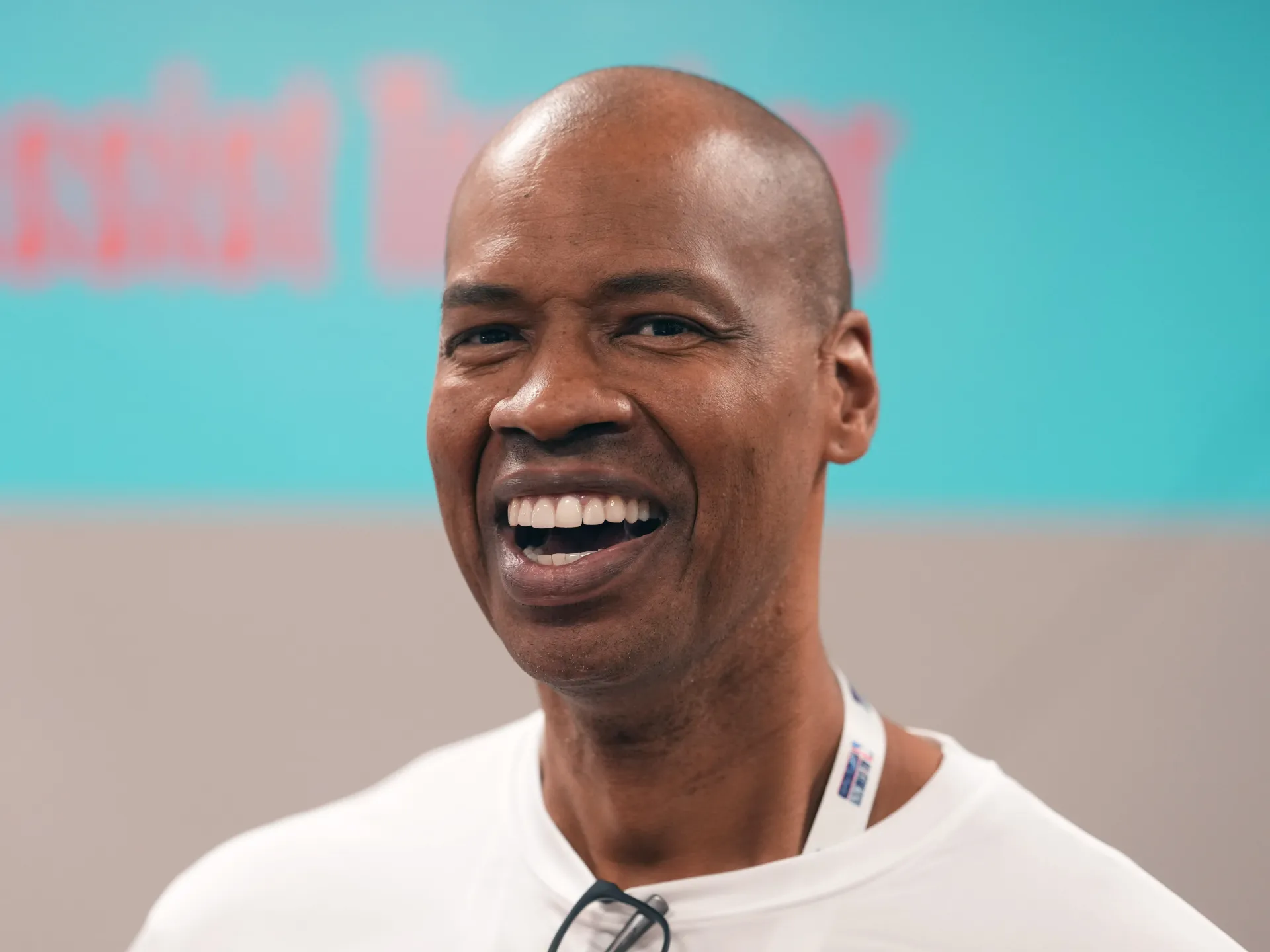
Jason Collins, the first openly gay active player in the National Basketball Association (NBA), has died at the age of 47. The cause of death was glioblastoma, an aggressive form of brain cancer, following a battle that began in September 2026 when he disclosed he was undergoing treatment for a brain tumour.
Collins’ family confirmed his passing in a statement on Tuesday, describing the loss as heartbreaking and noting his valiant fight against the disease. The 2.13-metre centre, who was selected 18th overall by the Houston Rockets in the 2001 NBA draft, played 13 seasons in the league. He was traded to the New Jersey Nets on draft night and later played for the Memphis Grizzlies, Minnesota Timberwolves, Atlanta Hawks, Boston Celtics, and Washington Wizards.
His decision to publicly come out as gay in a first-person essay in Sports Illustrated in September 2013 made him the first active male athlete in one of North America’s four major professional sports leagues to do so. The move received widespread support across the sports world, including from then-US President Barack Obama, and is widely regarded as a significant moment for LGBTQ+ visibility in professional athletics.
During his career, Collins helped the New Jersey Nets reach back-to-back NBA Finals in 2002 and 2003. His legacy extends beyond his on-court achievements, with former agent and current Detroit Pistons vice chairman Arn Tellem praising Collins for changing lives. Tellem stated that Collins’ decision to come out changed lives and left a legacy of tolerance, dignity, respect, inclusion, compassion, and understanding.
The NBA community and Collins’ family have paid tribute to his impact. His family said he changed lives in unexpected ways and was an inspiration to all who knew him, while Tellem noted that he left the world better than he found it. Collins’ death marks the end of a career that broke barriers and reshaped the cultural landscape of professional sports in the United States.