Japan’s Upper House Passes Law to Establish National Intelligence Bureau
The House of Councillors approved the creation of the new bureau by majority vote on 27 May, though operational details remain opaque.
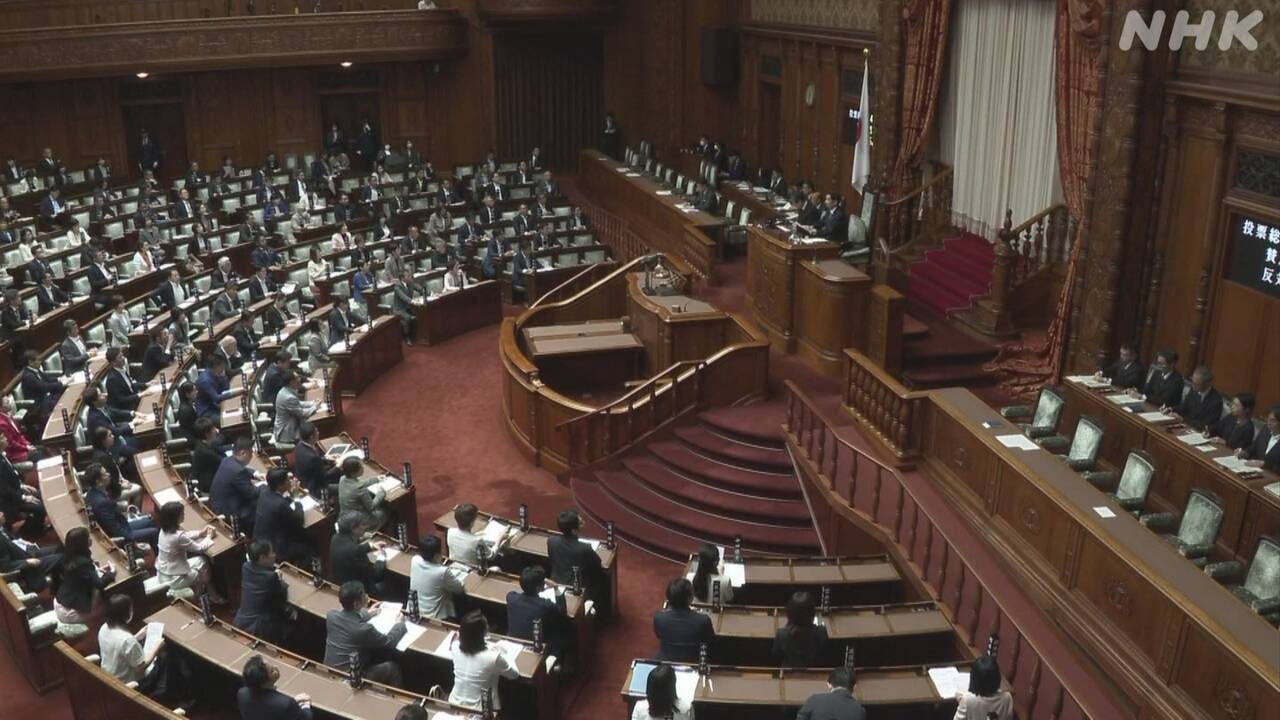
The Japanese House of Councillors has passed legislation to establish a new National Intelligence Bureau, a move that signals a structural shift in the nation’s security apparatus. The bill was approved by a majority vote during a plenary session on 27 May, according to reporting from NHK News Japan. The legislation formally mandates the creation of the bureau to centralise and enhance the country’s intelligence capabilities.
This development represents a consolidation of Japan’s intelligence functions, moving away from fragmented oversight toward a more unified institutional framework. The primary objective of the new law is to strengthen national intelligence gathering and analysis, aligning with broader regional trends where states are increasingly prioritising integrated security architectures in response to complex geopolitical pressures.
The passage of the bill by the upper house is a critical step in the legislative process. While the House of Councillors’ approval confirms the government’s intent, the specific operational scope, budget, and oversight mechanisms of the new Bureau have not been detailed in available reports. It remains unclear whether this entity will operate alongside existing bodies, such as the Cabinet Secretariat’s Intelligence Analysis and Coordination Centre, or if it will replace previous structures.
Analysts note that the establishment of the National Intelligence Bureau reflects a proactive approach to security governance. By creating a dedicated statutory body, the Japanese government aims to improve the efficiency and coordination of intelligence operations. However, the actual impact on national security will depend on how the bureau is implemented and integrated into the existing bureaucratic landscape.
The legislation’s passage underscores the Japanese parliament’s focus on institutionalising intelligence functions. As the government moves toward final enactment, attention will turn to the practical implications of the new bureau’s mandate. The lack of immediate detail on oversight and budget suggests that the full extent of the policy shift will only become apparent as the bureau begins its operations.