Japan’s ‘Sub-Capital’ Bill Clears Upper House Committee Ahead of Parliamentary Deadline
The Liberal Democratic Party and Nippon Ishin no Kai secured approval for the proposal, which now faces a plenary vote before the House of Councillors session concludes on 25 July.
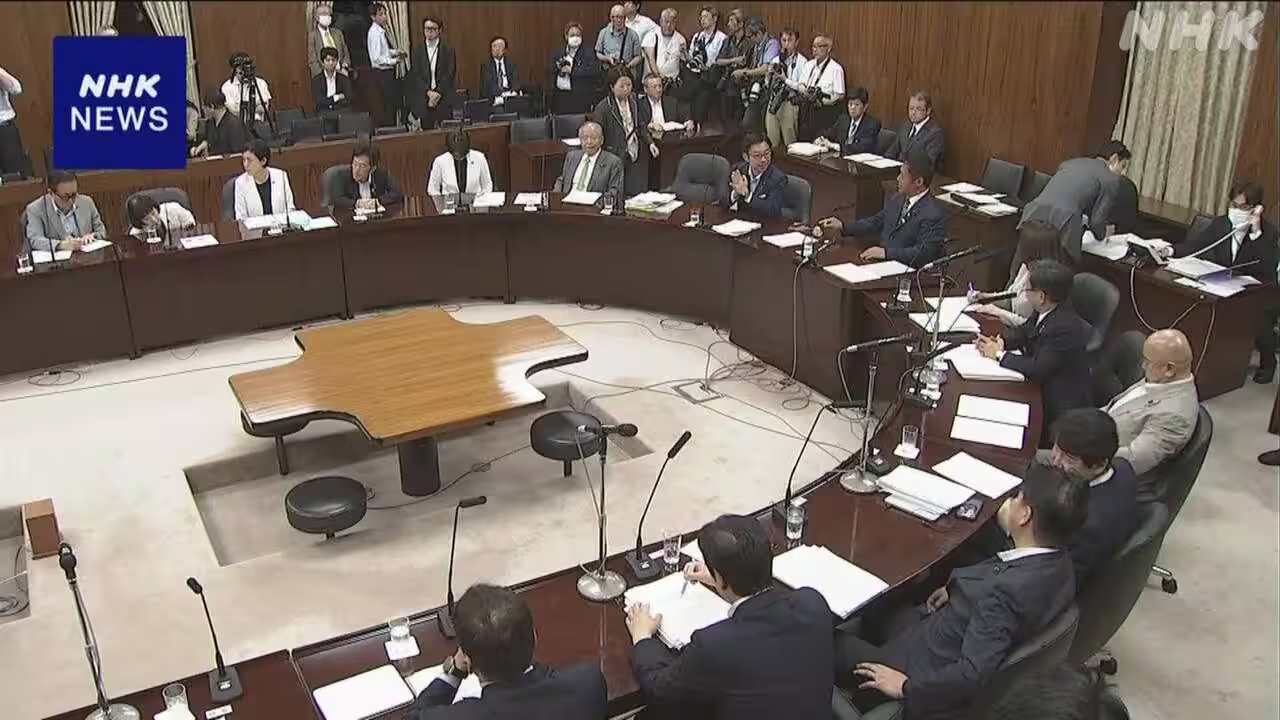
Legislation centred on the “sub-capital” concept was approved by the Special Committee of the Japanese House of Councillors on the evening of 24 July 2026. The bill passed with a majority vote from the Liberal Democratic Party and the Nippon Ishin no Kai, clearing a significant procedural hurdle before the parliamentary term concludes.
The proposed measure is designed to decentralise certain government functions from Tokyo to other regions in Japan. This structural shift aims to mitigate risks associated with the over-concentration of administrative power in the capital. The term “sub-capital” remains a political concept rather than an officially established administrative status, with specific details regarding targeted locations or the scope of decentralised functions not yet defined in public reports.
The passage of the bill in the Special Committee reflects the alignment of the governing coalition. Both the Liberal Democratic Party and the Nippon Ishin no Kai voted in favour, securing the necessary majority to advance the legislation. The timing of the committee vote was critical, occurring just one day before the end of the current parliamentary session.
The bill is expected to be put to a vote in the full House of Councillors plenary session on 25 July. If approved by the full house, the legislation would proceed further in the legislative process. However, as the parliamentary term ends on that date, the immediate next step is contingent on the successful completion of the plenary vote before the session closes.
Reports from NHK News Japan confirm the committee’s decision and the scheduled timeline for the subsequent vote. While the governing parties have moved the bill forward, the final outcome in the full house remains pending as lawmakers prepare for the session’s conclusion.