Japan’s resignation agencies offer workers a way out of workplace conflict
Proxy services are reporting rising demand from younger workers seeking to resign without direct confrontation, amid claims of harassment and workplace pressure.
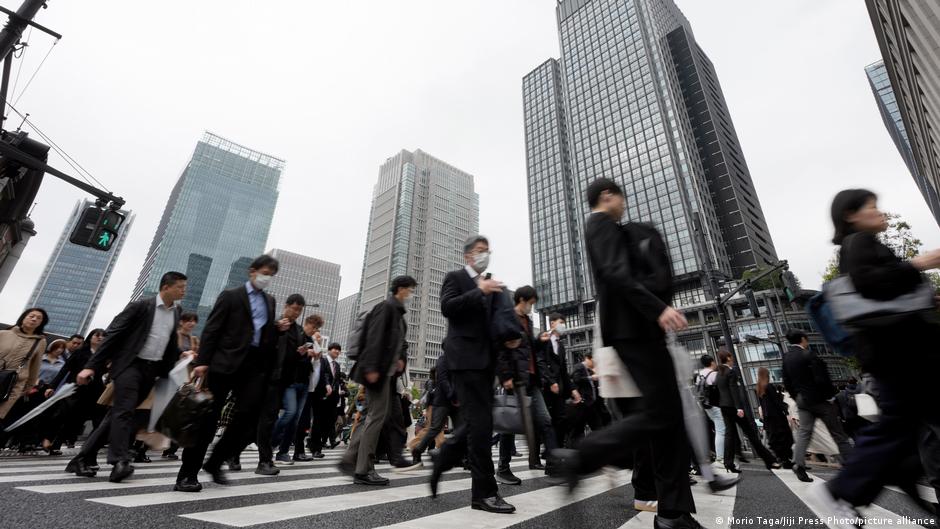
Resignation proxy agencies in Japan are reporting growing demand from workers who want to leave their jobs without confronting employers directly, Deutsche Welle reports. The services communicate an employee’s resignation on their behalf, with younger workers among the main users.
Albatross, one of Japan’s leading agencies, says it handles about 450 cases a month. The company says the process can take roughly 15 minutes and costs about €120 for full-time workers, although those figures have not been independently verified.
Yuka Hamada, Albatross’s chief executive, said clients’ reasons for seeking help range from alleged physical violence to sexual harassment. The agency also says it can convey farewells or gratitude to employers on a client’s behalf and advises workers to clear their desks before leaving.
The practice is known as “bakkure”, referring to disappearing from a workplace without notice. Academics cited by Deutsche Welle link the demand to workplace expectations around loyalty, social harmony and avoiding direct conflict, while cautioning that resigning can be perceived as disappointing others or betraying workplace expectations.
A Shikigaku survey cited in the report found that about one in three Japanese workers aged 20 to 49 had experienced some form of workplace harassment. The survey’s methodology was not provided, and the reported agency figures reflect claims by Albatross rather than independently verified industry data.