Japan’s real wages rise 1.9% in April, extending growth streak
April figures mark the fourth straight month of real wage growth as workers’ purchasing power begins to recover from previous inflationary pressures.
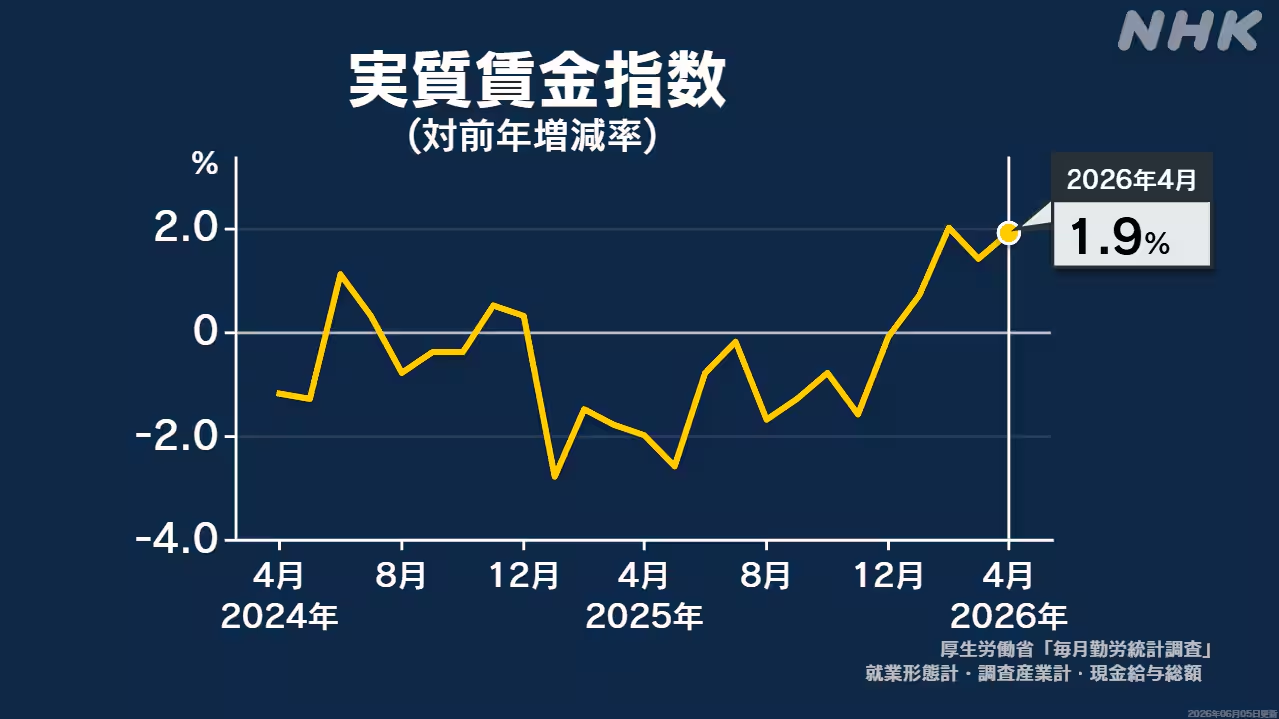
Japan’s Ministry of Health, Labour and Welfare has reported that real wages increased by 1.9 per cent in April compared to the same month last year. The figure marks the fourth consecutive month of growth, indicating a sustained, albeit modest, recovery in workers' purchasing power following periods of high inflation.
The data, released by the government body on 5 June 2026, reveals that nominal cash earnings per worker rose by 3.5 per cent year-on-year. This increase in nominal wages exceeded the rate of inflation, allowing real wages to post positive growth. The rise in nominal earnings extends a significant streak of positive wage growth to 52 consecutive months.
According to the statistics, the gap between wage increases and price rises has narrowed, allowing households to retain more of their income. While the 1.9 per cent rise in real wages represents a continued improvement, it remains a measured gain in the context of broader economic adjustments. The Ministry’s report highlights the ongoing impact of inflation on household budgets and the gradual shift in labour market dynamics.
The figures were reported by NHK News Japan, citing the official release from the Ministry of Health, Labour and Welfare. The data reflects the cumulative effect of wage negotiations and labour market conditions over the past four months. The consistency in nominal wage growth suggests that employers have continued to adjust pay rates to keep pace with rising living costs.
Economic analysts typically view real wage growth as a key indicator of household financial health. The current trend suggests that while inflation has not disappeared, its erosive effect on wages is being counteracted by higher nominal pay. The Ministry’s data will be closely watched by policymakers assessing the effectiveness of current economic strategies in supporting consumer spending and stabilising the cost of living.