Japan’s real wages contract for fourth consecutive year as inflation erodes gains
Official figures released on 22 May 2026 reveal a 0.5 per cent drop in real wages for the previous fiscal year, extending a four-year streak of declines even as cash earnings rose for the fifth year running.
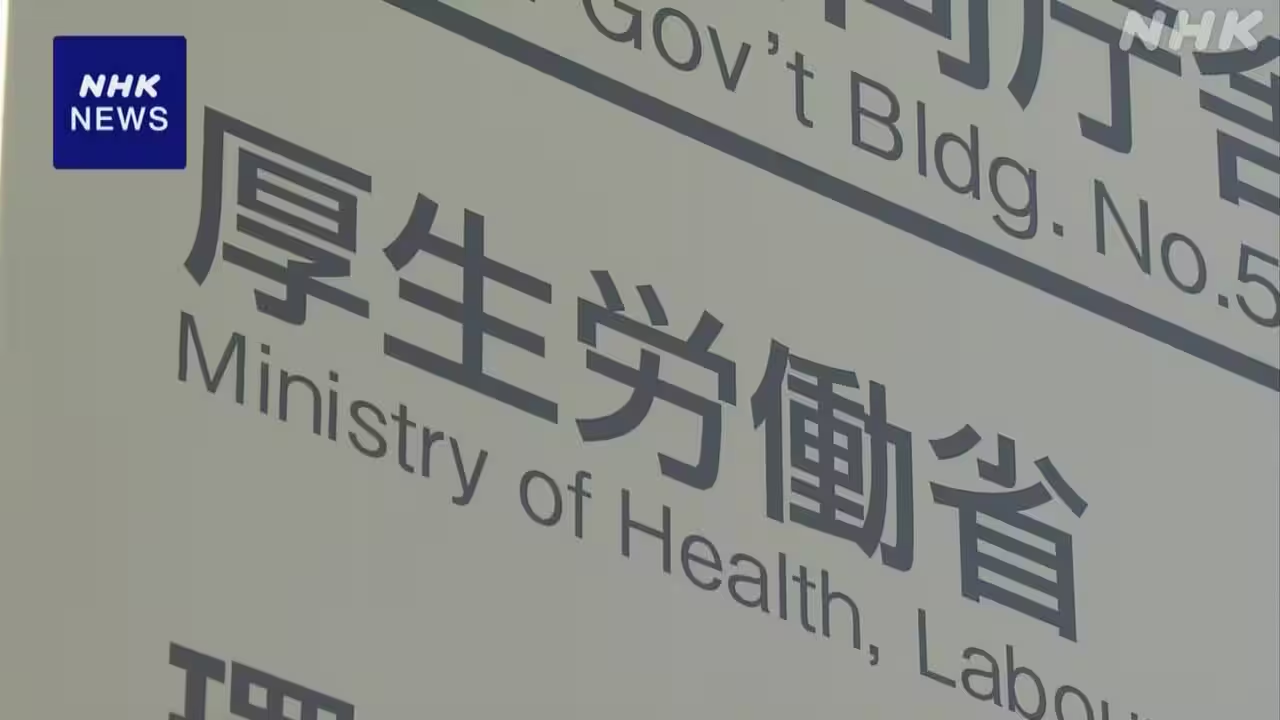
Japan’s real wages fell by 0.5 per cent in the previous fiscal year, marking the fourth consecutive year of decline, according to data released by the Ministry of Health, Labour and Welfare. The figures, reported by NHK on 22 May 2026, highlight a persistent divergence between nominal earnings and actual purchasing power as high inflation continues to outpace wage growth.
While the total cash wages for workers increased for the fifth consecutive year, the rise was insufficient to offset the continued rise in the cost of living. Real wages, which adjust nominal pay for changes in the cost of living, have therefore contracted, indicating that households are effectively poorer despite receiving higher nominal salaries.
The Ministry of Health, Labour and Welfare, the government body responsible for labour market statistics, provided the aggregate national data confirming the trend. The report underscores the structural pressure on Japanese workers, where nominal wage gains are being systematically eroded by sustained price increases.
This four-year streak of falling real wages contrasts sharply with the five-year period of nominal wage growth. The discrepancy suggests that while employers have been increasing pay rates, the broader economic environment characterised by high inflation has prevented these increases from translating into improved living standards for the workforce.
The data reflects a challenging economic landscape where the gap between income growth and inflation remains a critical policy concern. As the cost of living remains elevated, the decline in real wages signals ongoing difficulties for consumers in maintaining their previous levels of consumption and savings.