Japan’s Political Shift: Takaichi’s Conservative Agenda and Defence Posture
France 24 International reports that Prime Minister Sanae Takaichi is set to accelerate Japan’s move toward nationalism, driven by domestic economic pressures and strategic concerns regarding China.
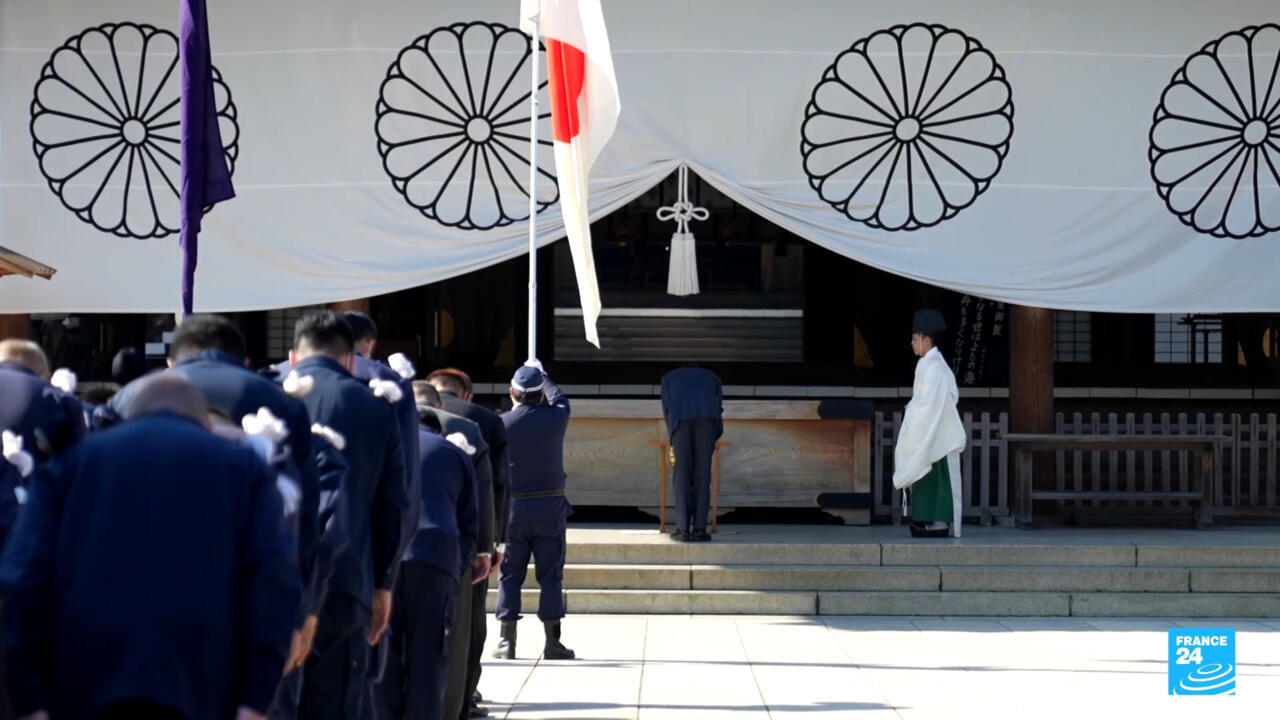
Japan is undergoing a distinct political transformation, moving steadily toward a more nationalist and conservative orientation. According to a report by France 24 International, this shift has been developing over several months, marking a significant departure from previous governance models. The change in direction is attributed to a combination of persistent domestic economic challenges and escalating regional tensions with China.
At the centre of this policy realignment is the country’s new ultra-conservative prime minister, Sanae Takaichi. The administration is expected to accelerate the nationalist agenda through concrete legislative and strategic measures. Key pillars of this approach include a tightening of immigration policies and a substantial strengthening of Japan’s defence posture.
The impetus for these changes appears to be rooted in both internal and external pressures. Domestically, economic difficulties have likely influenced the government’s focus on stricter border controls and national security. Externally, growing friction with China has provided a strategic rationale for enhancing military capabilities and adopting a more assertive foreign policy stance.
The report, authored by Adam Hancock, Alexis Bregere, and Mélodie Sforza, highlights the intersection of economic anxiety and geopolitical rivalry in shaping Japan’s current political climate. The emphasis on anti-foreign rhetoric suggests that the government is leveraging nationalistic sentiment to address broader governance issues, framing stricter immigration and defence measures as essential for national stability.
While the specific legislative details of the proposed immigration reforms and defence enhancements remain generalised in the initial reporting, the direction of policy is clear. The Takaichi administration’s focus on these areas indicates a long-term commitment to a more conservative and security-focused state, responding to the dual pressures of economic stagnation and regional instability.