Japan’s maid cafés shift from niche subculture to mainstream tourist draw
France 24 International reports on the evolution of Japanese maid cafés, which have transitioned from early-2000s subculture hangouts to a significant component of the country’s tourism landscape.
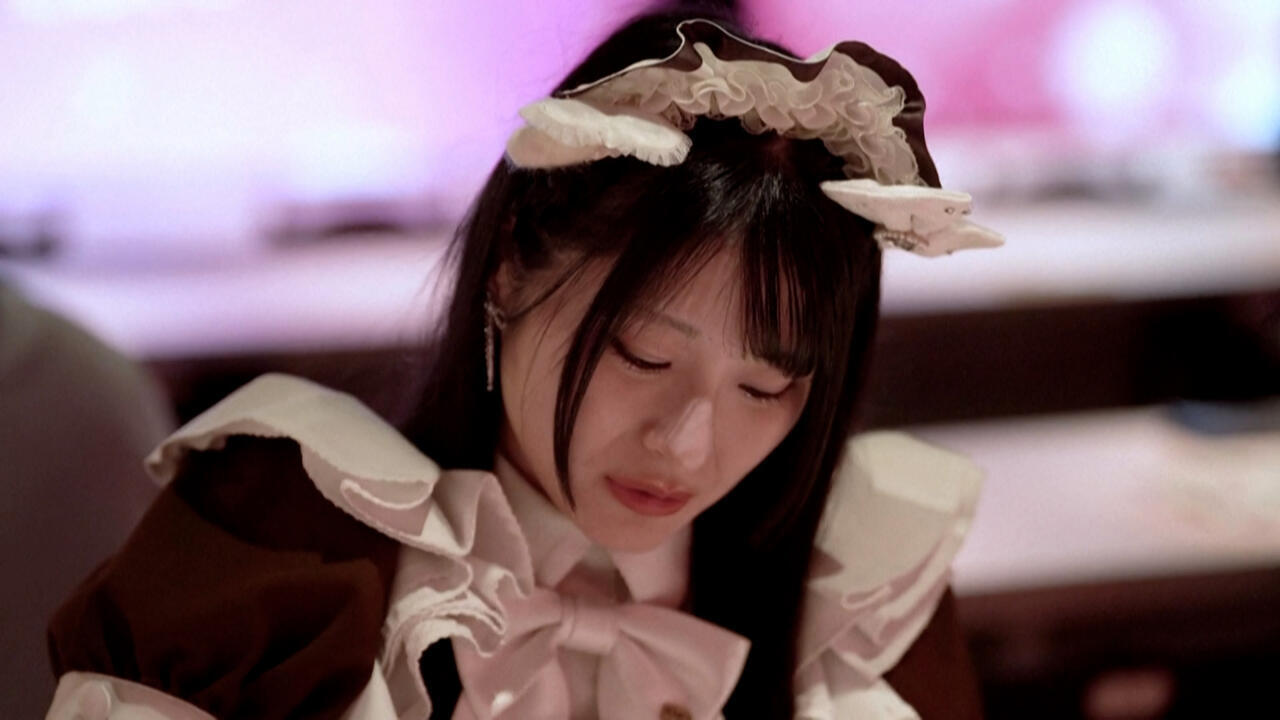
Japan’s maid cafés have undergone a significant transformation, evolving from niche subculture venues into a mainstream attraction for international tourists. According to reporting by France 24 International, these establishments, which emerged in the early 2000s, are increasingly drawing foreign visitors to Japan.
The concept originated as a hangout for a mainly male clientele within a specific subculture. The defining feature of these venues is the presence of waitresses dressed in French maid costumes who serve food and engage in conversation with customers. This service model has remained consistent as the industry has expanded its appeal.
Historically, these cafés operated within a limited demographic scope. However, the current trend indicates a broadening of the customer base to include a growing number of overseas tourists. This shift suggests that the cultural phenomenon has moved beyond its original domestic niche to become a notable element of Japan’s cultural tourism offerings.
The transition reflects a broader change in how Japanese pop culture is consumed and experienced by visitors. What began as a specific social space for a particular group has been recontextualised as a tourist destination, altering the primary function of these businesses from local social hubs to sites of cultural interest for outsiders.
While the exact metrics of this growth are not detailed in the current reports, the characterisation of the trend as "increasingly drawing foreign visitors" highlights a sustained interest in these venues. The evolution marks a departure from the early-2000s model, positioning maid cafés as a recognised part of the country’s diverse tourist infrastructure.