Japan’s lonely death toll rises as policy response lags social fragmentation
New data reveals 76,941 isolated deaths in the 2025 fiscal year, prompting legislative action and grassroots mobilisation in cities like Ishinomaki.
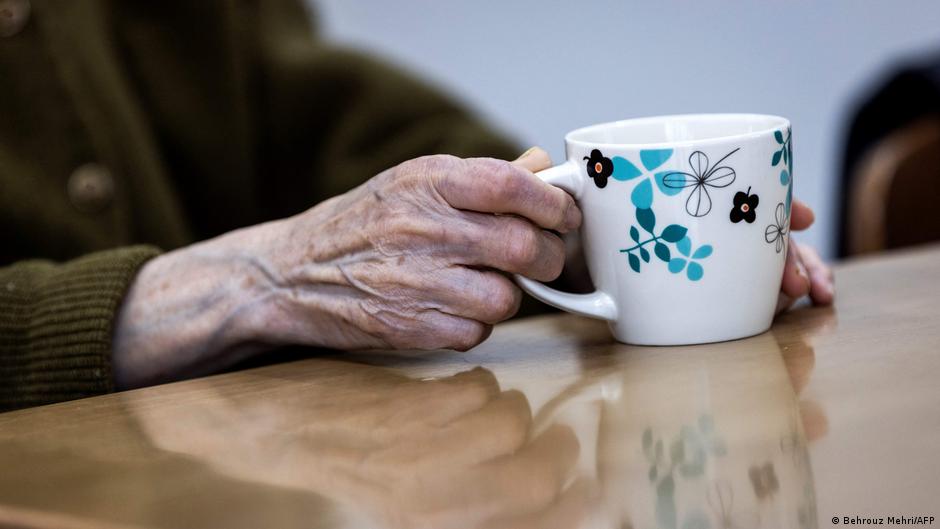
Japan recorded 76,941 'kodokushi', or lonely deaths, during the 2025 fiscal year ending 31 March, marking an increase of 921 cases from the previous year. The statistics, released by government and police authorities in late April, indicate that the phenomenon now accounts for close to 5 per cent of the nation’s overall death rate. While elderly residents constitute the vast majority of these cases, the data also includes 57 teenagers and 753 individuals in their 20s, highlighting a broadening demographic scope to the crisis.
The scale of the isolation is further underscored by the duration of undiscovered deaths. Authorities estimate that 22,222 of the total cases were 'koritsushi', where bodies remained undiscovered for at least eight days. In 7,148 incidents, representing approximately 9 per cent of the total, remains were not found for more than one month. These figures have intensified scrutiny on the government’s ability to manage the social consequences of rapid urbanisation and demographic change.
Izumi Tsuji, a professor of the sociology of culture at Chuo University, attributes the rise to the collapse of the traditional nuclear family and a shift toward individualisation. Tsuji notes that for decades, rural populations have declined as young people migrate to cities for education and employment, leaving behind ageing communities. In urban centres, the prevalence of high-rise apartment complexes has replaced the close-knit community structures of the past, resulting in residents living in isolation with minimal interaction with neighbours.
In response to the growing crisis, the Japanese government established the post of minister for loneliness and isolation in 2021 to address suicide rates and mental health issues. This was followed by the enactment of the Loneliness and Isolation Countermeasures Act in April 2024, which encourages local authorities to establish specialist support agencies. The legislation aims to break the stigma surrounding isolation and encourage seniors to accept help, fostering community integration through residents’ associations and social events.
Parallel to legislative efforts, non-governmental organisations are filling gaps in social welfare. In Ishinomaki, the NGO Rera, founded by Katsuyuki Ito in May 2011 following the Great East Japan Earthquake, provides transport and companionship to isolated seniors. Volunteer Kei Ueno reports that the group now operates six vehicles and supports eight volunteers, assisting elderly and disabled residents who lack family support. For many beneficiaries, the interaction provided by volunteers is cited as the highlight of their day, illustrating the critical role of human connection in mitigating the effects of social fragmentation.