Japan’s Koizumi rejects ‘new militarism’ claims, targets China’s arsenal at Singapore summit
Shinjiro Koizumi uses Shangri-La Dialogue to deflect accusations of remilitarisation, citing China’s lack of transparency and strategic weapons, while sidestepping direct questions on wartime apologies.
Japan’s Defence Minister Shinjiro Koizumi has firmly rejected accusations from Beijing that Tokyo is pursuing a "new militarism," arguing during the Shangri-La Dialogue in Singapore that China’s military expansion and opacity are the genuine concerns for the international community. Speaking on the final day of the defence summit, Koizumi countered warnings from China’s national defence ministry spokesperson Jiang Bin, who had described a "remilitarised Japan" as a gathering threat.
Koizumi highlighted the disparity in strategic capabilities between the two nations, noting that Japan possesses neither nuclear weapons nor strategic bombers. He questioned the logic of labelling Japan as militaristic while pointing to a country with a "huge arsenal" of such weapons, asserting that it is "only natural" for nations to update their defences to meet new challenges and contribute to regional peace.
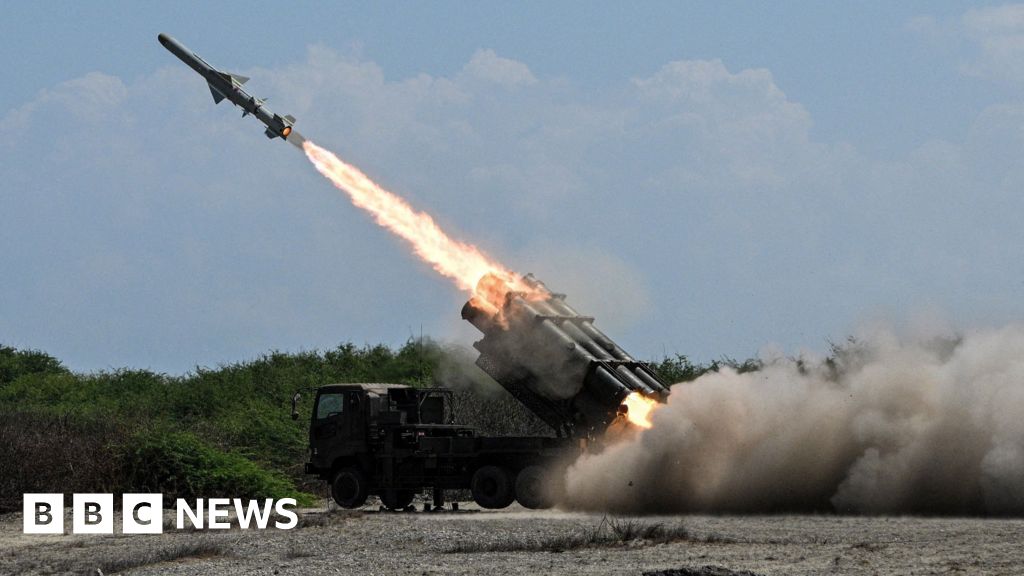
The remarks come as Japan’s defence budget exceeds 9 trillion yen ($57bn), marking the 12th consecutive year of increases and moving the country closer to its target of spending 2% of GDP on the military. The government has outlined plans to invest in surface-to-ship missiles and unmanned drones, while also relaxing rules to allow the sale of lethal weapons to bolster the domestic defence industrial base.
Prime Minister Sanae Takaichi, who took office in October 2025, has been a central figure in this strategic shift, pushing for revisions to Article 9 of the constitution, which renounces war. Tensions escalated in November when Takaichi suggested Japan could respond with its self-defence force if China attacked Taiwan, a stance that has sparked domestic division and led to some of the largest anti-war protests in decades.
Despite promising greater transparency and constant dialogue, Koizumi sidestepped a direct question from a Chinese military representative regarding apologies for World War Two atrocities. Instead, he reiterated concerns over China’s rapid military expansion and lack of transparency, adding that Japan’s door remains open for communication with Beijing.