Japanese automakers exposed to dual risks from Iran conflict and yen strength
A report published by CNBC on 17 August 2026 highlights the vulnerability of Japanese manufacturers to the combined impact of the war in Iran and a strengthening yen.
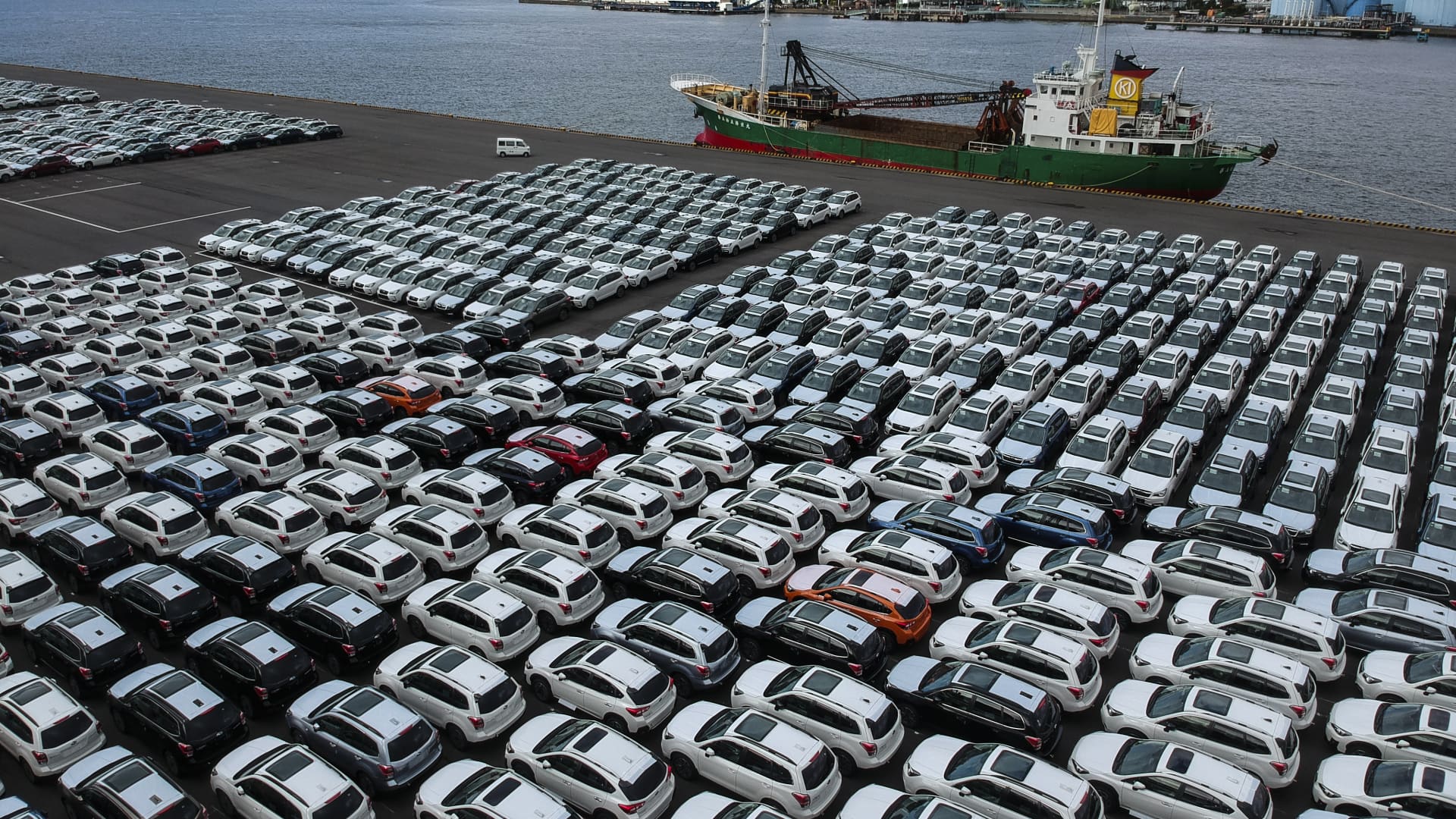
Japanese automakers are facing potential financial vulnerability due to the combined pressures of a strengthening yen and the ongoing conflict in Iran, according to a report published by CNBC on 17 August 2026. The analysis suggests that the industry is exposed to a one-two punch of geopolitical instability and currency volatility, which could impact profitability and operational costs.
The risk to manufacturers is exacerbated by rising oil prices following attacks in the Red Sea and Gulf of Oman. Supply concerns have intensified after an oil spill was reported near Oman, adding to the complexity of energy markets. Oman has historically played a mediation role in the region, but the current spill response and diplomatic landscape remain fraught with tension.
Geopolitical stakes are further heightened by conflicting claims regarding the status of the Strait of Hormuz. Iran’s deputy foreign minister has stated that the waterway will remain Iranian, rebuffing external claims. In contrast, former US President Donald Trump has claimed the waterway would soon become US territory, describing a naval blockade as a public service.
These divergent political statements underscore the uncertainty surrounding global shipping routes. The potential disruption to energy supplies in the region directly correlates with the operational risks faced by Japanese automakers, whose supply chains and export markets are sensitive to energy price fluctuations.
The specific financial impact or quantitative vulnerability of individual Japanese automakers is not detailed in the provided source material. However, the report indicates that the convergence of the Iran war and yen appreciation creates a significant headwind for the sector, requiring careful monitoring by investors and institutions.