Japanese authorities capture bear after four-day urban manhunt
Dozens of hunters and police officers ended a four-day search that forced mass school closures, following a separate attack in Fukushima that left four people injured.
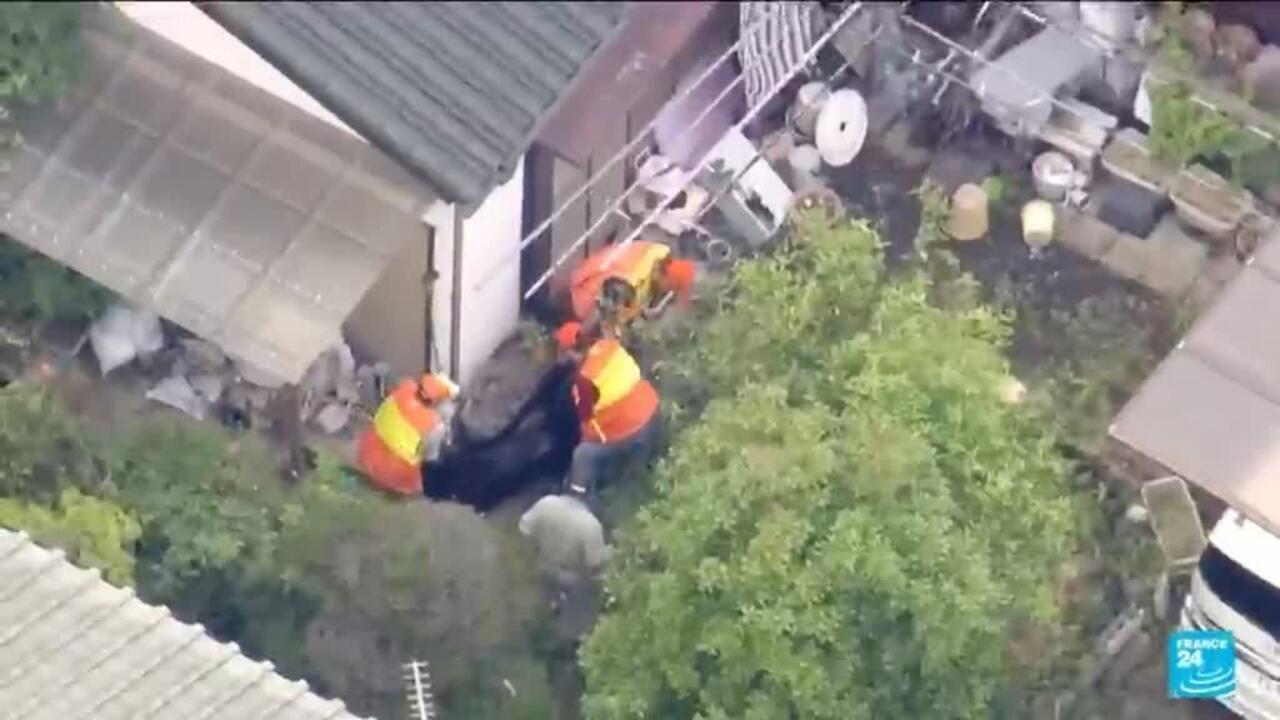
A bear that had been roaming the streets of a Japanese city for four days was captured on June 9, bringing an end to a significant public safety operation. The search effort involved dozens of hunters and police officers working to locate the animal, which had necessitated mass school closures during the manhunt.
The capture comes against a backdrop of increasing bear attacks across Japan. According to France 24 International, authorities have noted a rise in such incidents, with the recent urban search representing the latest in a series of encounters between humans and wildlife.
The urgency of the operation was underscored by events in the preceding week. A separate bear attack occurred in the northeastern city of Fukushima, resulting in injuries to at least four people. Despite the severity of that incident, authorities were unable to capture the animal involved, highlighting the challenges faced by local enforcement agencies in managing these encounters.
The specific city where the bear captured on June 9 was located was not identified in available reports. However, the incident is distinct from the Fukushima attack, which took place in the northeastern region of the country. The four-day duration of the urban search indicates the complexity of containing a large predator in a populated area.
The mobilisation of dozens of hunters and police personnel reflects the scale of the response required to ensure public safety. The closure of schools during the search period demonstrates the disruption caused by the presence of the animal in urban environments.
As authorities continue to monitor the situation, the recent string of incidents, including the Fukushima attack and the subsequent urban capture, points to a broader trend of rising bear activity in Japan. The successful capture on June 9 marks the conclusion of this specific search operation, though the underlying issue of human-wildlife conflict remains.