Japan to raise medical fees and patient co-payments from June 1
NHK reports that basic fees for outpatient and inpatient care will increase, boosting institutional revenue while raising out-of-pocket costs for patients.
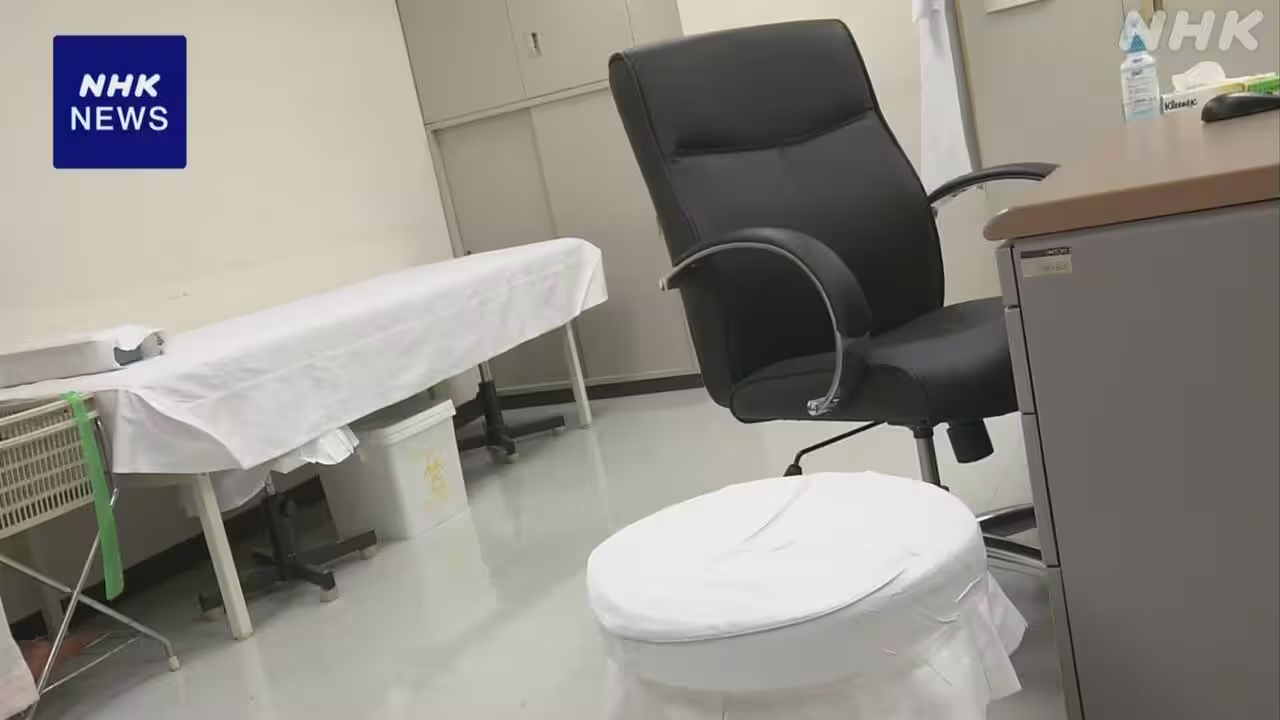
Japan’s Ministry of Health, Labour and Welfare (MHLW) is set to implement a revision to the national medical fee schedule effective 1 June 2026. The policy adjustment, reported by NHK News Japan, aims to mitigate the impact of high inflation and fund necessary wage increases for medical personnel.
Under the revised schedule, basic fees for both outpatient and inpatient care will be raised. This increase is designed to boost revenue for medical institutions, ensuring they can sustain operations and meet the financial demands of a rising cost of living.
The revision comes as the government seeks to address broader economic pressures, including persistent inflation and the need to improve remuneration for healthcare workers. By adjusting the fundamental pricing structure for medical services, the MHLW intends to stabilise the financial position of healthcare providers.
As a direct consequence of the fee revision, patient out-of-pocket costs, known as co-payments, will also increase. This shift places a higher financial burden on individuals accessing medical services, reflecting the broader economic adjustments required to support the healthcare sector.
The specific monetary amounts or percentage increases for the fees have not been detailed in the initial reports. However, the structural change marks a significant shift in the funding model for Japan’s healthcare system, balancing institutional sustainability with patient affordability.
The announcement underscores the ongoing challenges facing Japan’s healthcare infrastructure, where economic volatility directly impacts service delivery and funding. Stakeholders are expected to monitor how these changes affect healthcare utilisation and access in the coming months.