Japan targets replacement of two to five nuclear reactors by 2040s
Government aims to secure stable energy supply through strategic renewal of nuclear facilities, though specific sites remain undefined.
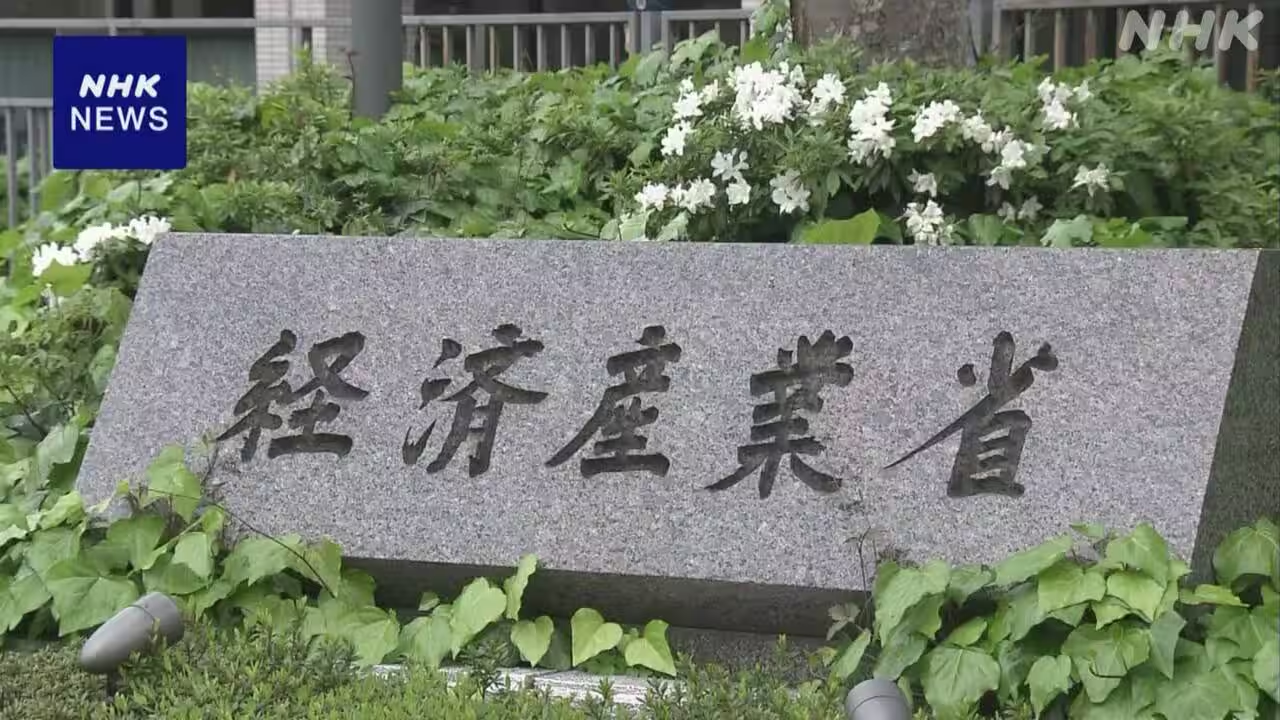
The Japanese government has established a strategic target to replace between two and five nuclear power reactors by the 2040s, according to reporting by NHK News Japan on 5 June 2026. The initiative, driven by the Ministry of Economy, Trade and Industry, is designed to address the challenges posed by ageing nuclear infrastructure and to ensure a stable national energy supply.
Officials have indicated that the primary objective of this replacement programme is to modernise facilities that are nearing the end of their operational lifespans. By substituting these older units with new reactors, the government seeks to maintain energy security without compromising the reliability of the national grid.
The announcement was reported based on information from sources familiar with the matter, suggesting that the target range reflects preliminary discussions or internal policy directions rather than a finalised legislative commitment. While the scope of the replacement is defined by the numerical range of two to five reactors, the specific identities of the plants targeted for renewal have not yet been detailed in the current reporting.
This policy move underscores the ongoing role of nuclear power in Japan’s energy mix, despite previous shifts in public sentiment and regulatory frameworks following past incidents. The focus on infrastructure renewal highlights a pragmatic approach to energy governance, prioritising long-term stability over immediate operational changes.
As the 2040s approach, the implementation of this target will likely depend on a complex interplay of regulatory approvals, construction capabilities, and public acceptance. The Ministry of Economy, Trade and Industry is expected to provide further clarity on the selection process and specific milestones as the policy framework develops.