Japan PM warns Strait of Hormuz closure inflicting enormous impact on Asia Pacific
Prime Minister Sanae Takaichi notes shipping constraints since late February as part of broader Indo-Pacific security concerns
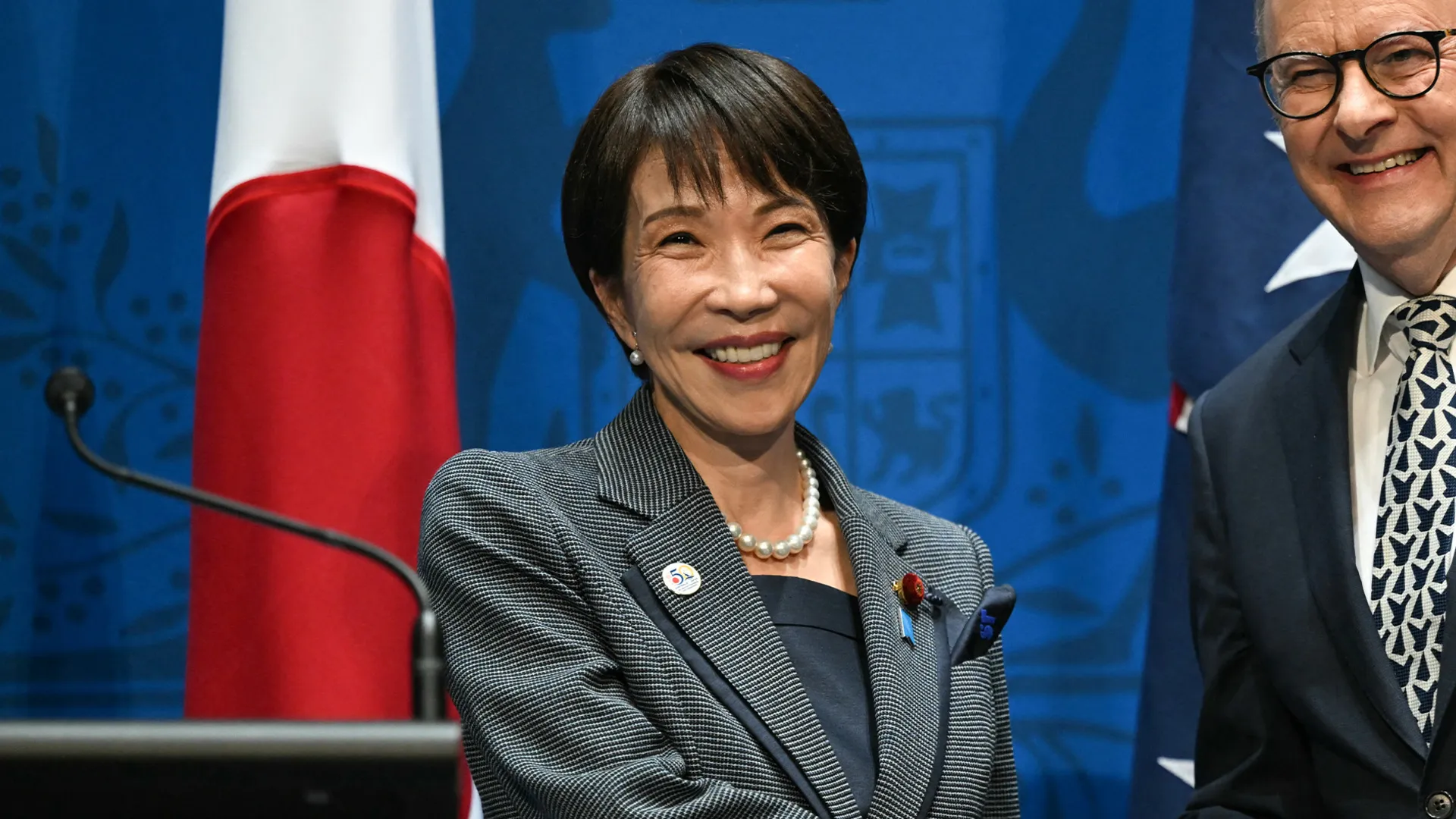
Japan Prime Minister Sanae Takaichi has warned that the effective closure of the Strait of Hormuz is inflicting an enormous impact on the Asia Pacific region. Speaking during a recent visit to Australia, the Prime Minister highlighted that shipping disruptions stemming from the conflict involving the United States, Israel, and Iran have severely constrained maritime traffic through the critical strait.
The severity of the situation was underscored by the fact that shipping has been essentially blocked since the conflict began on 28 February. While the International Energy Agency confirms the scale of the flow through the strait, the current blockade has left the Indo-Pacific region vulnerable to supply shocks, according to the Japanese leadership.
This warning comes as Canberra and Tokyo have strengthened their strategic alignment in response to shifting security dynamics. The nations recently announced a separate defence deal worth $10 billion Australian dollars for Japan to supply Mogami-class stealth warships to the Australian navy, building upon existing defence ties that have ramped up in recent years.
The closure has necessitated a coordinated response regarding energy and minerals agreements between Japan and Australia. These economic arrangements are designed to mitigate the risks posed by the blockade and ensure stability within the region's supply chains.
While the Prime Minister stated that the closure is inflicting an enormous impact on the Asia Pacific, the specific extent of the effect on individual economies within the region remains undetailed in current reports. The duration of the shipping blockade beyond the initial statement that it has been in place since 28 February is also not specified.
Linxi News understands that the connection between the Hormuz closure and the specific defence deal is presented as part of a broader context of strengthened ties, though a direct causal link between the blockade and the timing of the warship deal is not explicitly established in the available text.