Japan PM orders financial review as Middle East tensions threaten economic stability
Prime Minister Takashi Takashita has directed Finance Minister Katayama to evaluate financial support measures, including a supplementary budget, in response to escalating tensions involving Iran.
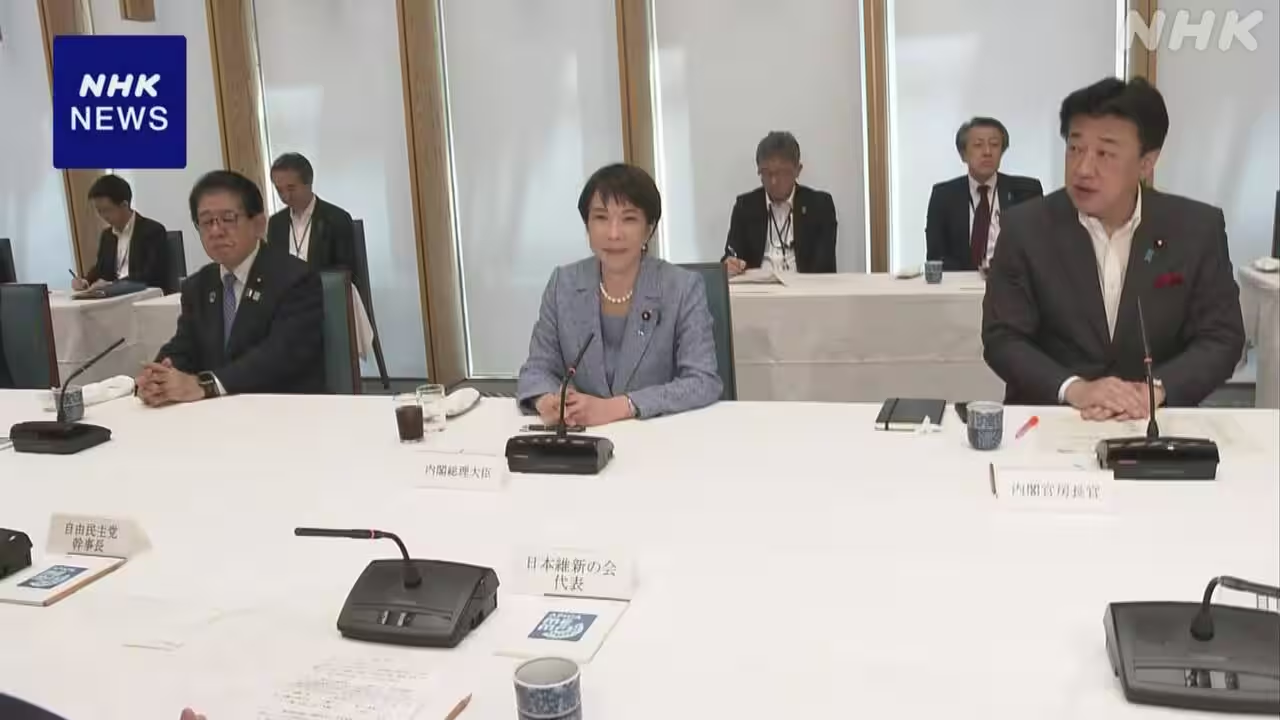
Japanese Prime Minister Takashi Takashita has instructed Finance Minister Katayama and other officials to consider financial support measures, including the drafting of a supplementary budget for the current fiscal year. The directive was issued during a government and ruling party liaison conference on 18 May 2026, signalling a shift toward proactive fiscal intervention as regional instability threatens domestic economic activity.
The primary objective of the instruction is to prevent disruptions to citizens' livelihoods should the impact of the Middle East situation persist. While specific details of the financial measures remain undisclosed, the government is prioritising the preparation of a supplementary budget to mitigate potential long-term economic damage. This move underscores the administration's focus on institutional safeguards against external geopolitical shocks.
The directive comes against a backdrop of heightened concern regarding Iran-related tensions, which have previously seen negotiations hit a deadlock and discussions of military options by the United States. Japan has been closely monitoring the potential effects of these developments on oil supplies and inflation, with the government expressing concern about the risk of prolonged economic disruption due to regional instability.
Market indicators on the same day reflected growing anxiety, with long-term interest rates in Japan briefly rising to 2.8 per cent. This spike has raised concerns about further inflationary pressure, compounding the urgency for the government to establish a financial buffer. The timing of the Prime Minister’s order suggests an attempt to stabilise market confidence ahead of any potential escalation.
Uncertainty remains regarding the scope and timing of the proposed supplementary budget, as well as its likelihood of passing through legislative channels. However, the instruction to Finance Minister Katayama marks a clear commitment from the Takashita administration to address the intersection of foreign policy risks and domestic economic governance.