Gulf nuclear facility targeted as Middle East tensions reach critical juncture
Coordinated drone incidents in the Gulf and renewed Israeli strikes in southern Lebanon signal a dangerous escalation, stalling diplomatic efforts and prompting threats of military response from Abu Dhabi.
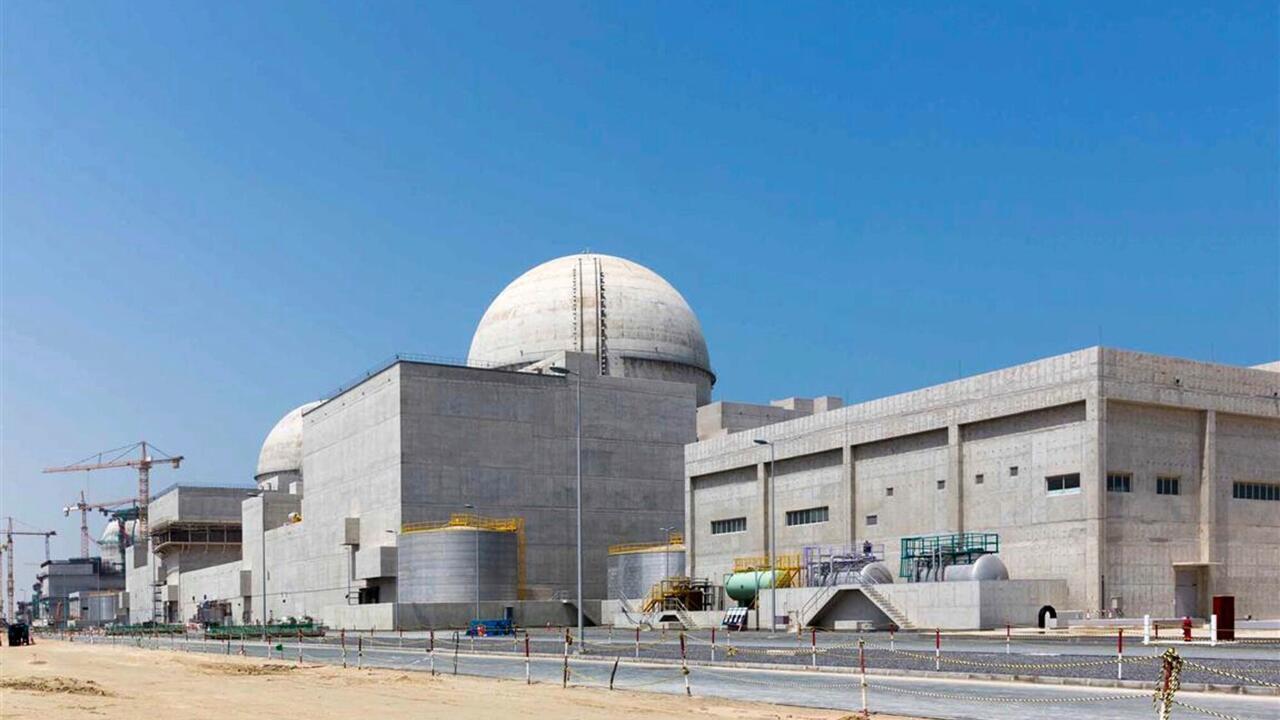
A drone strike has ignited a fire at the Barakah nuclear power plant in the United Arab Emirates, marking a significant escalation in regional hostilities. UAE officials confirmed the incident on Sunday, stating that authorities are investigating the origin of the attack. The UAE defence ministry reported that two additional drones launched from the western border were successfully intercepted, though no further details regarding the source or extent of the damage were provided.
Abu Dhabi has strongly condemned the attack, describing it as a direct threat to regional security. A diplomatic adviser to the UAE president characterised the incident as a dangerous escalation, regardless of whether it was carried out by the principal perpetrator or a proxy. The UAE government asserted its right to respond to what it termed "terrorist attacks," signalling a potential shift from diplomatic containment to active defence.
Concurrently, Saudi Arabia reported intercepting three drones, adding to the security concerns across the Gulf. The attacks on critical infrastructure in both nations occur against a backdrop of stalled negotiations between Washington and Tehran. US President Donald Trump issued a stark warning to Iran on Sunday via Truth Social, stating that time is of the essence and that there would be "nothing left" of Iran if it fails to move quickly towards a peace deal.
Violence in Lebanon has also intensified despite a fragile ceasefire. Israeli strikes killed seven people on Sunday, including an Islamic Jihad commander, according to the Lebanese health ministry. The preliminary toll includes three deaths in Tayr Felsay and two in Tayr Debba, with casualties including children. Eleven people were wounded in those towns, with four additional injuries reported in two other southern locations.
The diplomatic landscape remains fractured. Hezbollah described US-brokered talks as a "dead end," while Israeli Prime Minister Benjamin Netanyahu stated that Israel was "very close" to eliminating all architects of the October 7 attacks following the killing of senior Hamas commander Ezzedine Al-Haddad. Regional instability continues to mount as military actions outpace diplomatic resolutions.