Japan Meteorological Agency issues severe storm warning for Tohoku region as atmospheric instability persists
NHK News reports that strong winds may force service suspensions for the Tohoku Shinkansen and other infrastructure on 2 May 2026
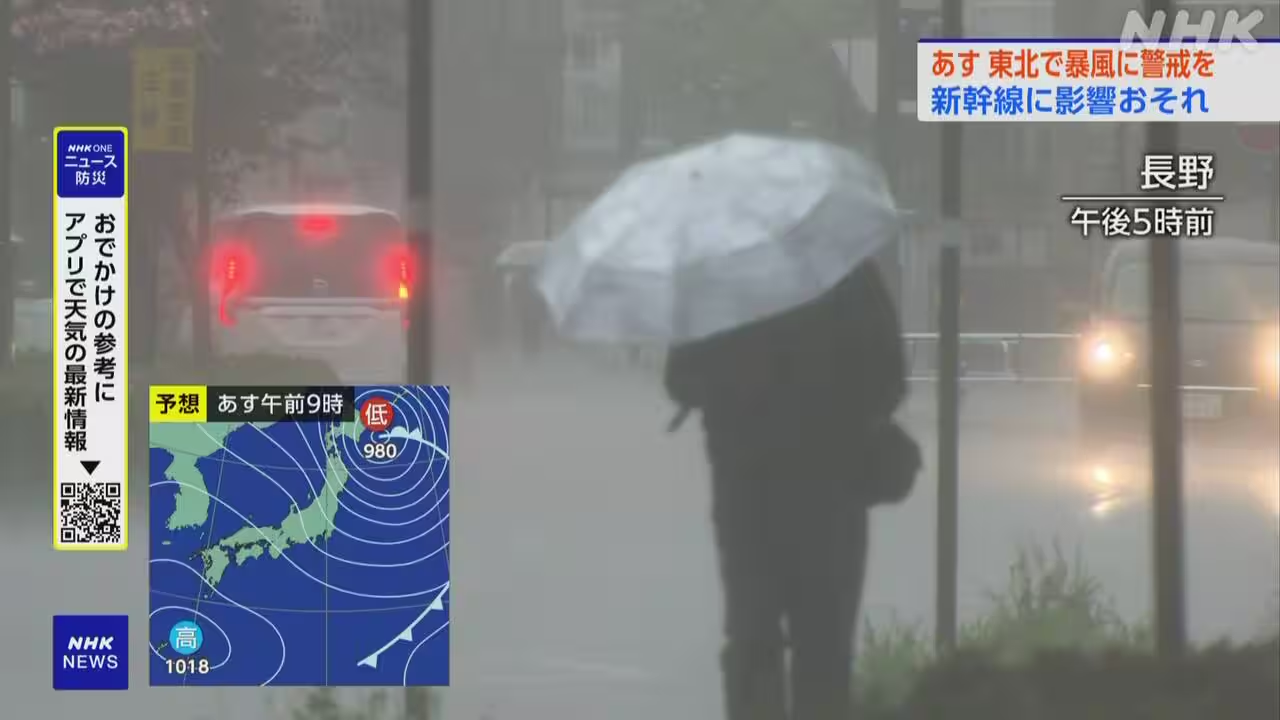
The Japan Meteorological Agency has issued a severe storm warning for the Tohoku region scheduled for 2 May 2026, citing a combination of a frontal system and a low-pressure area as the primary drivers of the event. This alert comes in the wake of rough weather conditions that affected a wide area on 1 May, characterised by heavy rain and strong winds.
According to reports from NHK News, the Japan Meteorological Agency forecasts that atmospheric instability will continue across both western and eastern Japan following the initial disturbances. The agency has identified specific hazards associated with this instability, including the risks of lightning, tornadoes, and hail, necessitating heightened vigilance across the affected zones.
Infrastructure resilience remains a central concern as the agency warns that strong winds are likely to impact transport networks. Consequently, there is a possibility of service suspensions or delays for the Tohoku Shinkansen and other transport infrastructure. These potential disruptions are contingent upon the actual intensity and progression of the storm, which remains subject to the dynamic nature of the forecast.
The severity of the situation is underscored by the description of weather conditions as very unstable, indicating a high degree of variability in the outlook. While specific damage reports, such as roofs being blown away, have been confirmed in Utsunomiya, the agency notes that the extent of such impacts may vary across the wider Tohoku region.
NHK News highlights that the presence of tornadoes and hail is currently a forecasted risk rather than a confirmed occurrence at this stage. The agency maintains that the exact timing and duration of any transport interruptions will depend on how the storm evolves, reflecting the inherent uncertainties in predicting severe weather events.
As the frontal system and low-pressure area continue to exert influence, the Japan Meteorological Agency advises that the risks of lightning, tornadoes, and hail require immediate attention. The focus remains on monitoring the atmospheric conditions that have persisted since 1 May to ensure public safety and minimise infrastructure damage.