Japan extends medical care services to adults with severe disabilities
The House of Councillors unanimously passed a revised law on 24 July 2026 to bridge the gap in care for individuals with complex medical needs transitioning into adulthood.
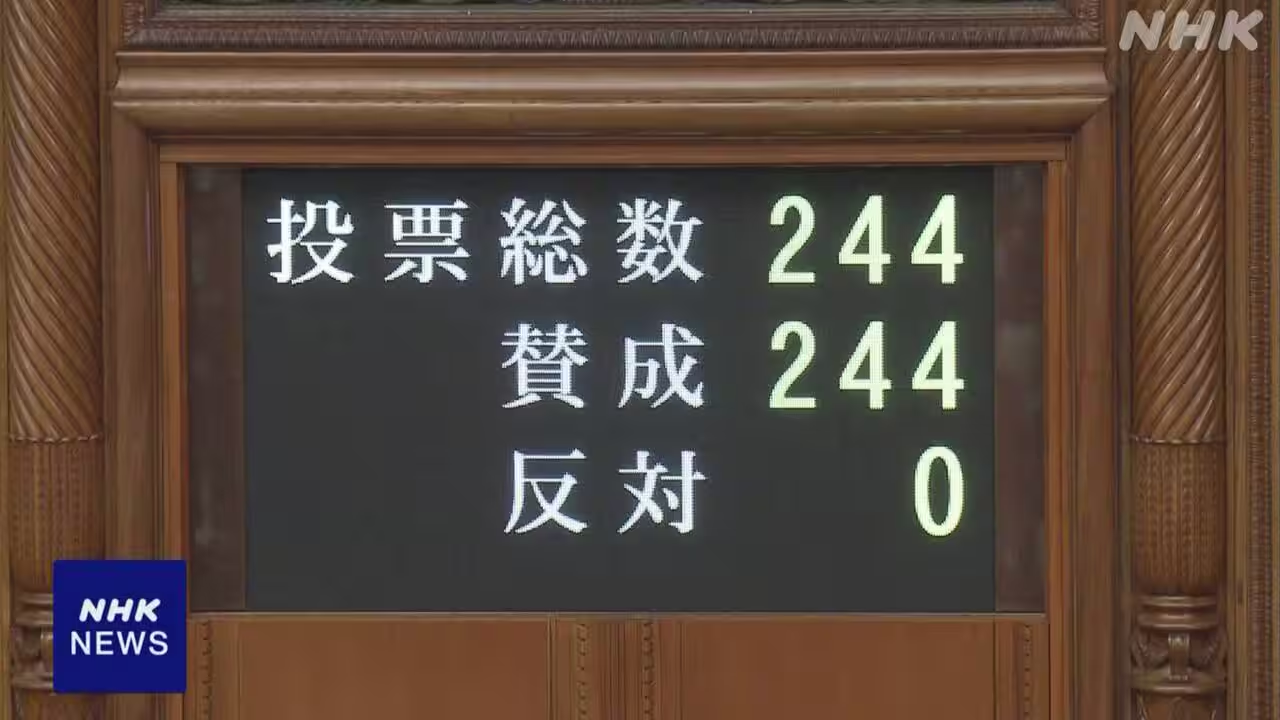
Japan’s House of Councillors has unanimously passed a revised law to ensure that individuals requiring daily medical care, such as tracheal suctioning, and those with severe disabilities can continue to receive medical and care services after turning 18. The legislation was approved during a plenary session on 24 July 2026, marking a significant shift in the country’s approach to supporting those with complex medical needs as they transition from paediatric to adult care systems.
Previously, the framework for such support, often referred to under the term "medical care children" (iryou-teki kaeji), was largely associated with minors. This legislative change explicitly extends the scope of eligibility to adults, addressing a critical gap in the social safety net for individuals who cannot perform daily activities independently due to their health conditions.
The law targets people who require ongoing medical interventions, including procedures like suctioning, ensuring that the cessation of services does not occur simply because an individual has reached the age of majority. By mandating continuity of care, the revised statute aims to provide stability for families and caregivers who have managed these complex needs for years.
The unanimous consent in the House of Councillors indicates broad political agreement on the necessity of this reform. The passage of the bill establishes the legal basis for extending these services, although specific details regarding the implementation date and operational mechanisms have not been disclosed in the initial reports.
This development follows broader discussions on disability rights and healthcare accessibility in Japan. The reform underscores the government’s recognition that medical necessity does not end at adulthood, requiring a structural adjustment to how care services are administered and funded for this demographic.
As the law moves forward, attention will likely turn to the practicalities of execution. While the legislative hurdle has been cleared, the specifics of how these services will be integrated into the adult healthcare infrastructure remain to be detailed by relevant authorities.