Japan drafts plan to halve Tokyo earthquake deaths in decade
Draft disaster prevention strategy focuses on seismic sensors to cut gas supplies and mitigate fire risks in worst-case scenario
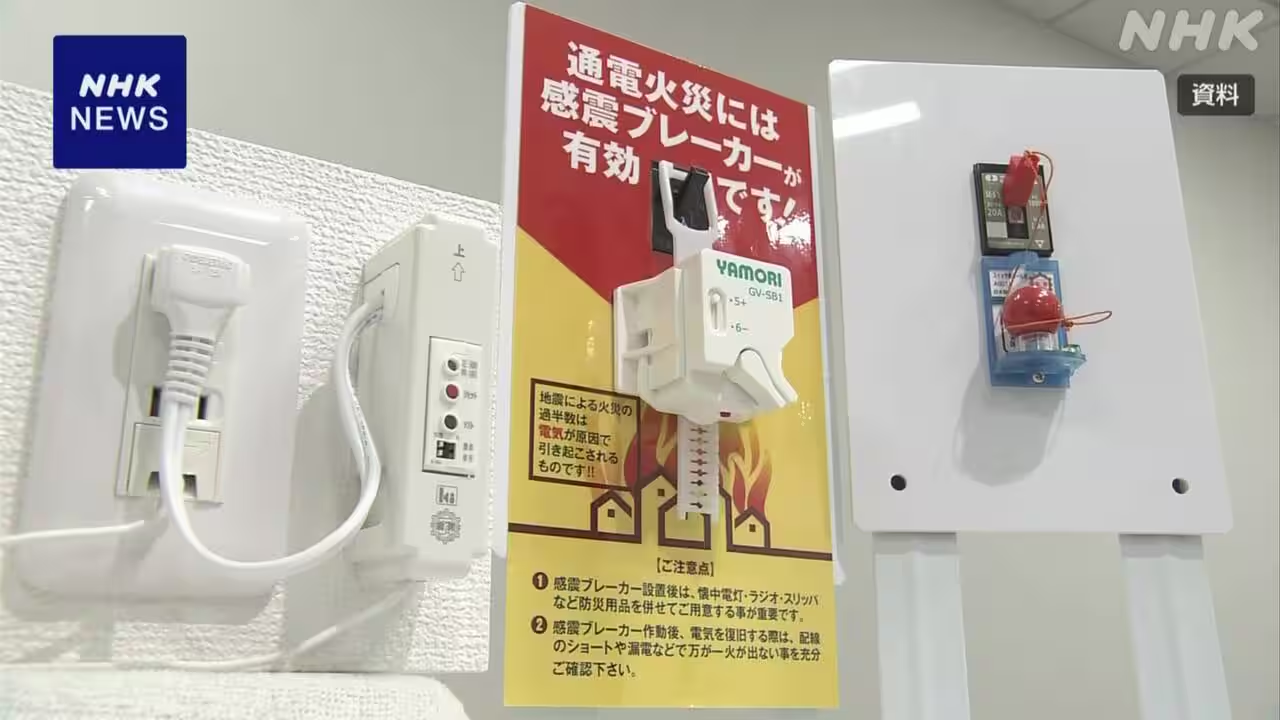
The Japanese government has compiled a draft basic disaster prevention plan addressing the anticipated Tokyo metropolitan area earthquake, a seismic event projected to cause up to 18,000 fatalities in the worst-case scenario. According to reports from NHK News Japan on 29 May 2026, the document sets a specific target to reduce the number of deaths by more than half within the next 10 years.
The draft plan covers the greater Tokyo area, encompassing Tokyo, Kanagawa, Saitama, and Chiba prefectures. It outlines a strategic framework for disaster mitigation, with a primary focus on infrastructure adjustments designed to limit casualty numbers during a major seismic event. The government has indicated that the plan remains a draft subject to further review and approval processes before becoming official policy.
A key measure detailed in the proposal involves the widespread installation of seismic sensors, known as kan-shin breakers. These devices are designed to automatically cut off gas supplies when tremors are detected. The mechanism aims to mitigate fire risks associated with gas leaks, which are a significant cause of secondary casualties during earthquakes.
While the plan establishes the goal of reducing fatalities to below 9,000, it does not specify the exact timeline for the implementation of the sensor installations. The methodology for achieving the targeted reduction in deaths is not detailed beyond the mention of gas supply cut-offs, leaving the broader operational strategy open to further development during the consultation phase.
The release of the draft highlights the ongoing policy focus on resilience in one of the world’s most densely populated urban regions. By setting a quantifiable target for casualty reduction, the government is signalling a shift towards more aggressive infrastructure interventions in the lead-up to the anticipated seismic event.