Japan deploys AI to manage demographic decline and revitalise tech sector
As the world’s most aged society, Tokyo is testing artificial intelligence to preserve operational knowledge and stimulate economic competitiveness, targeting 370 trillion yen in investment by 2040.
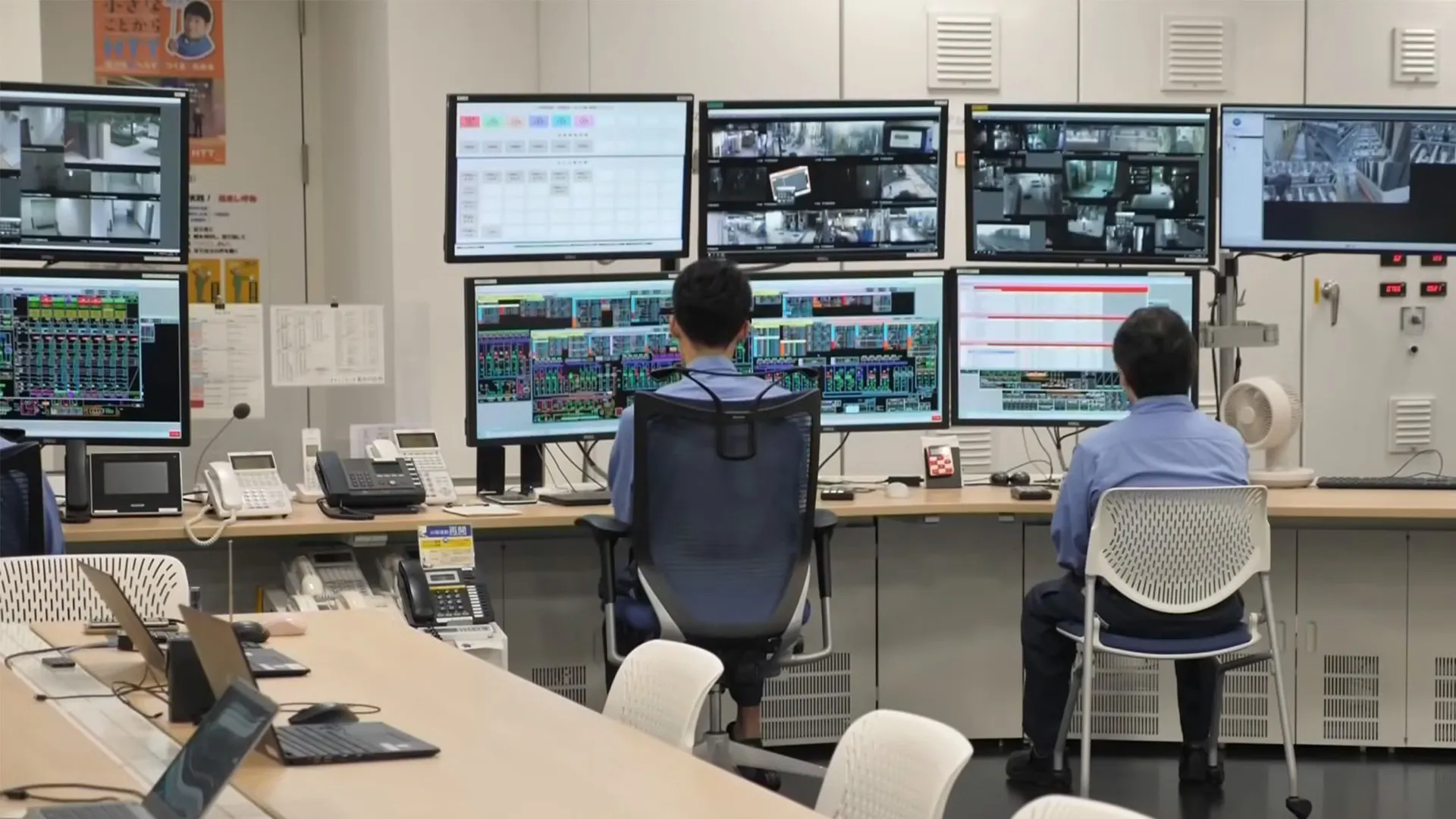
Japan is implementing artificial intelligence as a central mechanism to address the economic pressures of its rapidly ageing population and to stimulate its technology sector. The strategy involves deploying AI systems to manage critical infrastructure and foster domestic start-ups, aiming to preserve operational expertise as experienced workers retire and to enhance national productivity.
In Tokyo’s Otemachi district, the Marunouchi Heat Supply Company is utilising the PlantPilot system, developed in partnership with Preferred Networks, to manage a 30km network of heating and cooling pipelines. The initiative aims to transition towards automated operations by 2027, using historical data and engineer expertise to support decision-making rather than replace human labour. Hidetaka Yagi, assistant general manager at Marunouchi, stated that the technology is essential for preserving technical knowledge that would otherwise be lost as the workforce shrinks.
This approach reflects a broader national policy to position AI as a partner to human capabilities rather than a substitute. With labour shortages affecting manufacturing, logistics, energy, and healthcare, the government and private sector are focusing on integrating AI into existing industries to solve practical problems in energy, manufacturing, and healthcare.
Concurrently, Japan is seeking to strengthen its position in the global technology race, where it currently lags behind the United States and China in terms of high-value digital companies. While the US has approximately 690 unicorn start-ups and China has 160, Japan has only about eight. Tokyo-based Sakana AI is a key component of this effort, having expanded its workforce from 50 to 150 employees in a year and launched commercial products including Sakana Chat, Sakana Marlin, and Sakana Fugu.
Ren Ito, chairman of Sakana AI, argued that Japan should not attempt to replicate Silicon Valley models but instead focus on applying AI to real-world challenges. He noted that competing directly with American firms on model size and resource expenditure is not viable, suggesting that Japan’s advantage lies in its ability to adapt technology for specific industrial applications.
To support these efforts, the Japanese government plans to mobilise 370 trillion yen in public and private investment by 2040, targeting artificial intelligence, semiconductors, and advanced research. This financial commitment is designed to maintain economic competitiveness amid demographic decline and to address weaknesses in the country’s research ecosystem.
However, policymakers recognise that investment alone is insufficient. Japan’s research position has weakened due to funding pressures, competition for talent, and challenges in strengthening universities. The strategy emphasises the need to develop researchers and innovators to ensure long-term technological resilience and productivity.