Japan deploys 11 trillion yen in coordinated currency intervention to stabilise yen
A total of approximately 11 trillion yen was spent between 28 April and 27 May 2026 to counter excessive depreciation against the US dollar.
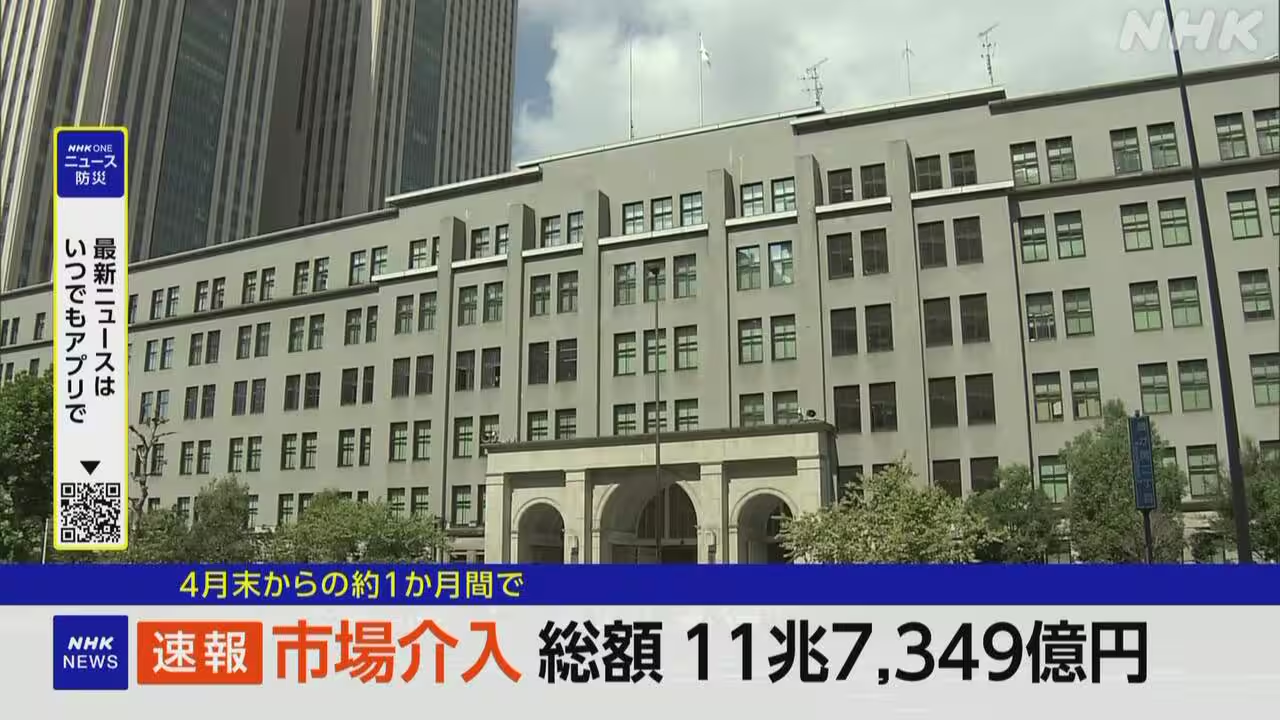
The Japanese government and the Bank of Japan have confirmed the execution of coordinated currency market interventions, deploying approximately 11 trillion yen to address significant yen depreciation. The operation, which concluded on 27 May 2026, represents a substantial fiscal commitment by the Ministry of Finance and the central bank to stabilise the national currency.
According to reporting by NHK News Japan on 29 May 2026, the intervention period spanned from 28 April to 27 May. During this window, authorities injected capital into foreign exchange markets to counteract the downward pressure on the yen, a standard policy tool employed when the currency weakens excessively against major trading partners, particularly the US dollar.
The direct impact of this intervention was a marked strengthening of the yen. Exchange rates shifted from the late 160s yen per dollar range, a level characterised by considerable yen weakness, to the 155 yen per dollar range. This movement indicates a successful short-term reversal of the depreciation trend that had persisted through the first half of the year.
While the total expenditure of approximately 11 trillion yen has been established, the specific allocation of funds between the Ministry of Finance and the Bank of Japan remains unbroken down in available reports. The combined effort highlights the institutional consensus on the need for direct market engagement to correct currency valuations that threaten economic stability.
The intervention underscores the ongoing policy focus on managing the yen’s value relative to the US dollar. By moving the exchange rate from the late 160s to the 155 range, authorities have demonstrated a willingness to utilise significant financial resources to enforce a more favourable currency position, addressing concerns over the economic implications of a persistently weak yen.