Japan declares emergency as magnitude 7.1 quake collapses shopping centre in Kyushu
A shallow magnitude 7.1 earthquake has triggered widespread infrastructure disruption, evacuation orders for 150,000 residents, and structural collapses at commercial sites across south-west Japan.
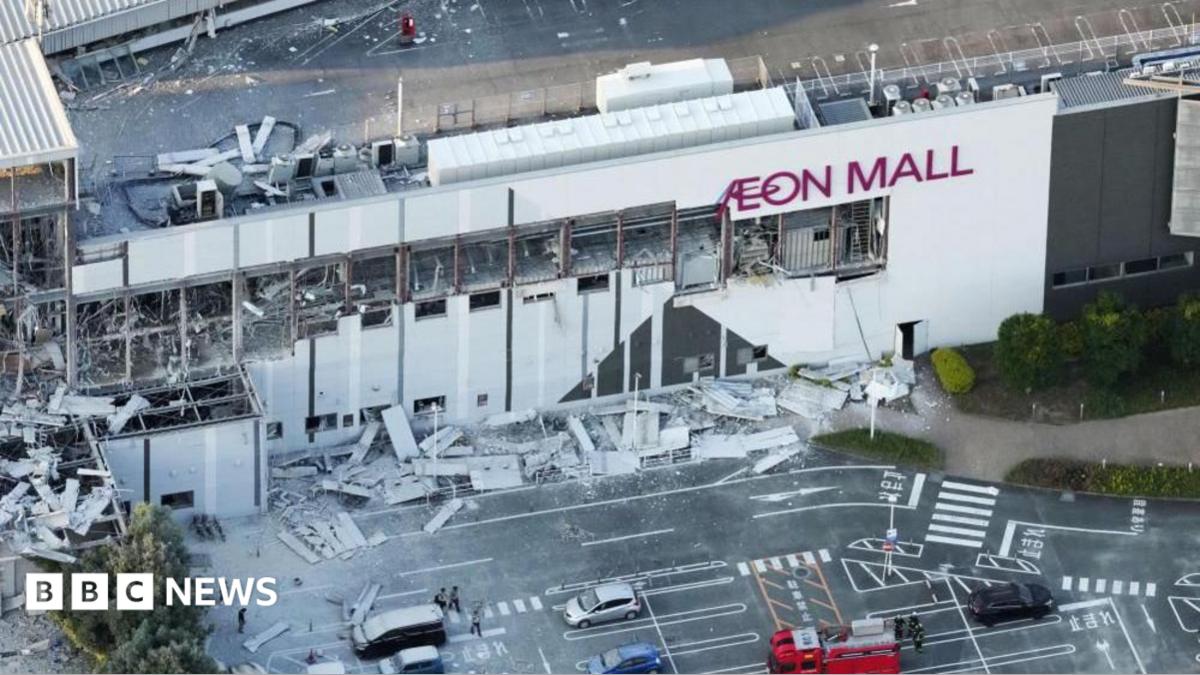
A magnitude 7.1 earthquake struck Kyushu island in south-west Japan on 28 July 2026, causing significant structural damage and prompting a major emergency response. The shallow epicentre, located 10km beneath the surface, triggered severe shaking that resulted in the collapse of the second floor of the Aeon Mall in Kumamoto and a shopping complex in the town of Kashima. Local fire departments confirmed that many people remain trapped inside these structures following the seismic event.
Prime Minister Sanae Takaichi addressed the developing situation, confirming that several injuries had been sustained. According to reports from the national broadcaster NHK, approximately 10 individuals were injured at an elderly care home, while at least 50 people were being treated in hospitals. The prime minister noted that authorities were still assessing the full extent of the casualties and property damage, though the immediate focus remained on rescue operations and casualty management.
The disaster has caused substantial disruption to transport and utility networks across the region. JR Kyushu suspended all train services throughout the island to ensure passenger safety and facilitate infrastructure inspections. Additionally, electricity supplies were cut for thousands of homes, and over 150,000 residents were ordered to evacuate to shelters. A brief tsunami warning was issued in the immediate aftermath but was lifted within an hour.
Footage broadcast by NHK depicted cracked roads and bridges, with several buildings reported on fire. Local media also cited reports of an explosion at the Aeon Mall following the quake, although the cause of this incident has not been independently verified. The Japan Meteorological Agency has warned of continued seismic risk, advising the public to prepare for strong aftershocks given the shallow depth of the initial tremor.
Japan remains one of the most seismically active nations globally, experiencing approximately 1,500 earthquakes annually. Emergency services are currently mobilising to the hardest-hit areas, with authorities gathering accurate data on affected individuals as rescue efforts continue. The suspension of rail services has created logistical challenges for commuters and freight transport, highlighting the vulnerability of critical infrastructure to high-magnitude seismic events.