Jansa secures fourth term as Slovenia’s right-wing coalition advances divisive agenda
New administration pushes tax cuts, investigation reforms and reburial laws while removing Palestinian flag from state building
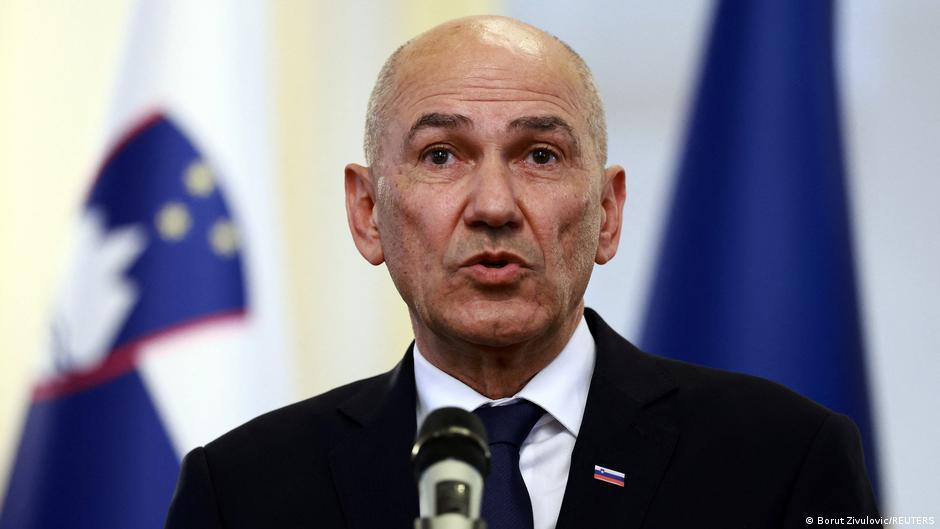
Slovenia’s parliament has approved a new coalition government led by Janez Jansa, marking the veteran politician’s fourth term as prime minister. Jansa, leader of the right-wing Slovenian Democratic Party (SDS), was appointed on May 22 and secured parliamentary confidence on Thursday, drawing on decades of political experience to form a governing alliance that includes the conservative New Slovenia, the center-right Democrats, and support from the far-right populist Resnica party.
The composition of the new administration has drawn scrutiny, particularly regarding the role of Resnica. Party leader Zoran Stevanovic had previously signed a commitment not to join a government under Jansa, yet accepted SDS support to become parliamentary speaker and directed his MPs to vote for the new prime minister. Critics have raised concerns about the influence of Resnica’s fringe policies, which include anti-vaccination stances and skepticism toward the European Union, though New Foreign Minister Tone Kajzer has insisted the coalition remains firmly committed to EU integration.
Immediately upon taking office, the government has begun advancing a legislative agenda that trade unions and human rights groups describe as divisive. An omnibus bill containing tax cuts has sparked opposition from unions, who argue the measures enrich the wealthy at the expense of public services and are attempting to trigger a referendum. Simultaneously, activists are calling for a referendum on amendments to the Parliamentary Investigation Act, which they warn could facilitate the creation of a political police force.
The administration has also moved to legislate the reburial of individuals executed as Nazi collaborators after World War II, proposing their transfer to Ljubljana’s most prestigious cemetery and establishing an annual day of commemoration. Ljubljana’s mayor, Zoran Jankovic, has stated he will attempt to block the plans, arguing that resistance fighters should not be equated with those sworn to the Nazis. Kajzer defended the move as a civilizational necessity to close a painful historical chapter, asserting that those executed did not receive trials and should not be broadly labelled as collaborators.
In its first symbolic act, the government removed a Palestinian flag that had been flying outside the main government building since 2024. During his first parliamentary address, Jansa criticised street protests, stating that future decisions should be made by elected bodies rather than those on the street. Former Prime Minister Robert Golob, whose party finished first in March’s election, failed to build a coalition, with analysts attributing the outcome to a lack of deal-making skills compared to Jansa’s established political network.