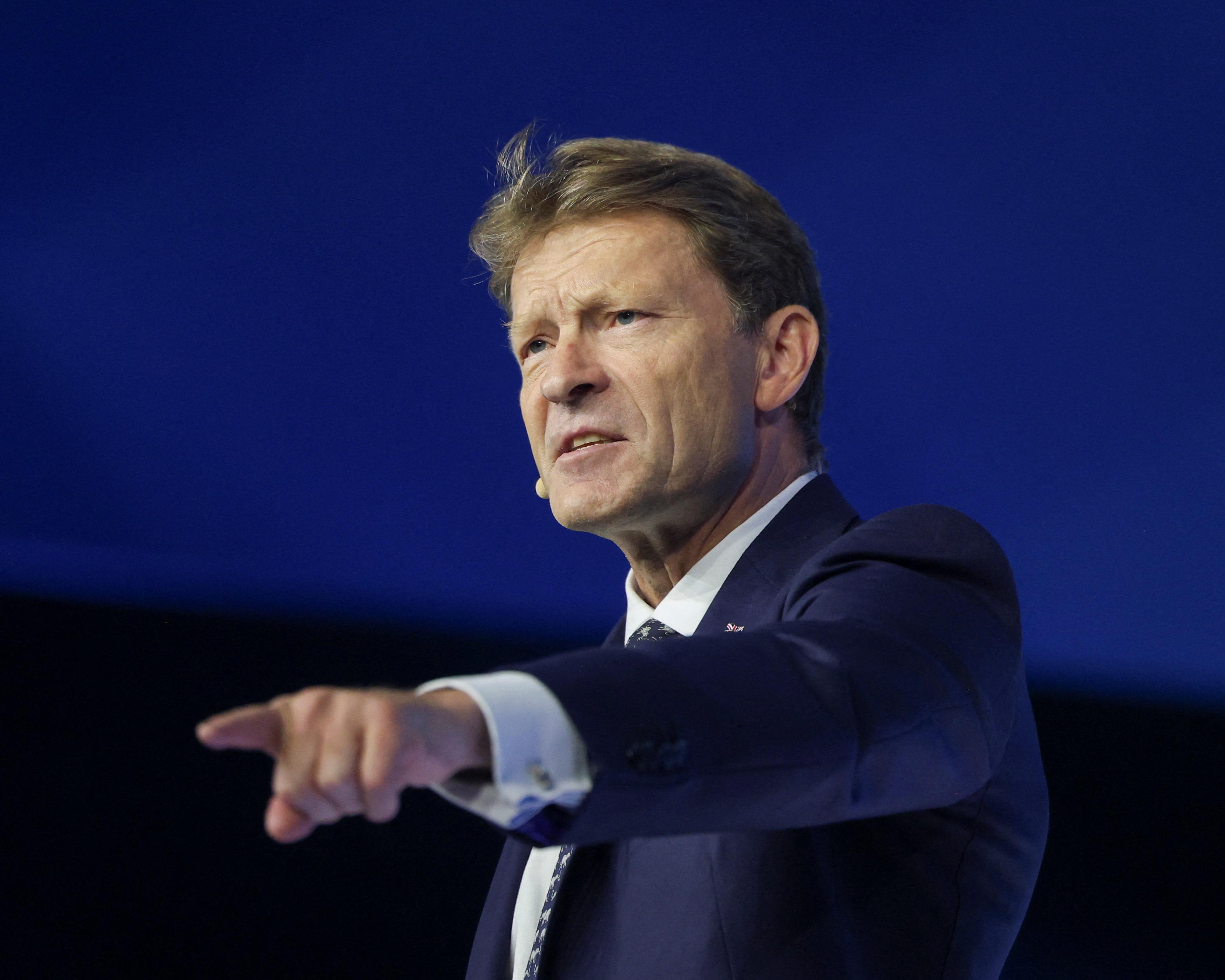
James Murray appointed UK health secretary in low-profile reshuffle
The 42-year-old MP for Ealing North is described as a loyal, low-divisiveness figure with no prior experience leading a major Whitehall department, marking a significant elevation for the highest-ranking member of Labour’s 2019 parliamentary intake.

James Murray, the Labour MP for Ealing North, has been appointed as the new UK health secretary, replacing Wes Streeting. The 42-year-old former Treasury minister takes charge of the Department of Health and Social Care, marking his elevation to one of the most senior roles in the government. Murray is characterised as a low-profile, loyal figure with no prior experience running a major Whitehall department, yet he is described as one of the least divisive figures in the current administration.
Murray’s career path includes studying PPE at Oxford, working for Emily Thornberry, and serving as deputy mayor for housing in London, where he was appointed by Sadiq Khan in 2016. In that role, he oversaw the affordable homes programme and developed a reputation as a fierce negotiator behind closed doors. He entered parliament in 2019 and moved through the shadow whips’ office and Treasury team under Keir Starmer, becoming the highest-ranking figure from Labour’s 2019 parliamentary intake.
His voting record is defined by strict party loyalty, including backing controversial legislation on welfare, winter fuel changes, border security, and the assisted dying bill. Chancellor Rachel Reeves is understood to have kept Murray within her inner circle due to his loyalty, reputation for delivery, and desire to avoid political drama. This approach has helped him avoid the churn that has affected other figures since the party entered government, with one MP noting that he does not create problems for leadership.
The appointment follows recent local election losses for Labour, where the party lost 13 seats across England, Wales, and Scotland, despite retaining control of Murray’s local council in Ealing North. The results have highlighted wider concerns about whether managerial figures can reconnect with frustrated voters. Public sentiment appears to be aligning with growing unrest within the party, with YouGov survey data suggesting 69% of Britons hold an unfavourable view of Prime Minister Keir Starmer.
Murray’s promotion represents a test case for the wider Starmer project, focusing on a generation of loyal, managerial Labour politicians. However, his reputation for caution and discipline will face its biggest test inside the Department of Health and Social Care, where political management and message control rarely survive contact with the NHS. As the new health secretary, Murray now leads the department responsible for the NHS, a sector that has seen significant pressure in recent years.