Ivorian firms challenge multinationals in fuel, finance and cosmetics
Petro Ivoire, Djamo and Kaira Holding are expanding their footprint in Ivory Coast’s key sectors, supported by institutional programmes aimed at regional growth.
Three Ivorian enterprises are steadily increasing their market share in the petroleum, digital banking and cosmetics sectors, challenging established multinational corporations through local expertise and rapid decision-making. Petro Ivoire, Djamo and Kaira Holding are expanding their market share in Ivory Coast’s petroleum, digital banking and cosmetics sectors, challenging established multinational corporations through local expertise, rapid decision-making and vertical integration.
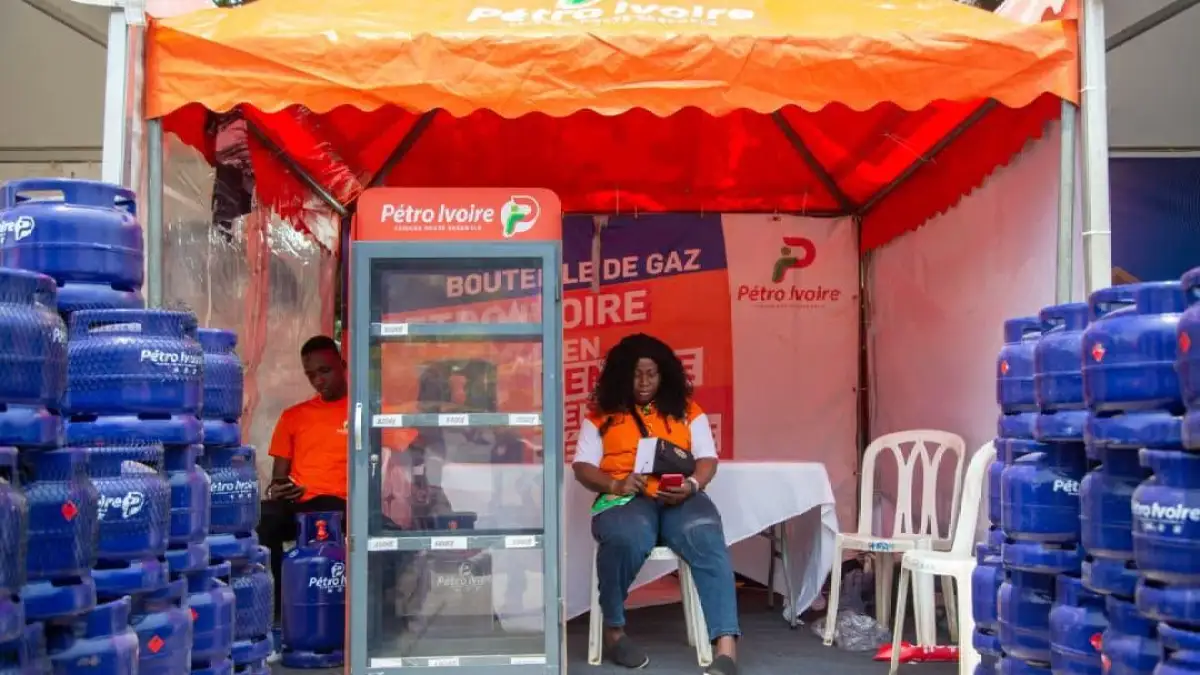
Petro Ivoire, the country’s largest locally owned fuel distributor, holds approximately 15% of the fuel market and leads the butane gas sector. Sebastien Kadio-Morokro, the chief executive, stated that the company’s strategy relies on combining local market knowledge with international standards. He noted that domestic ownership allows for faster strategic decisions compared to multinational rivals that must navigate lengthy overseas headquarters processes. The firm is also investing in electric-vehicle charging infrastructure as Ivory Coast prepares for changes in transport and energy use.
In the financial sector, Djamo, a digital banking platform launched in 2020, serves over two million customers and 10,000 small and medium-sized enterprises. Cofounder Hassan Bourgi highlighted that francophone West Africa was historically off the radar for global venture capital, which typically flowed to Nigeria, Kenya, South Africa and Egypt. Djamo focused its product design on Generation Z consumers, aiming to match the experience of international digital platforms, while citing the stability of the CFA franc as a foundation for business growth.
Kaira Holding, a cosmetics manufacturer, now exports products to 32 countries across Africa, Europe and the Middle East. Founder Fode Kaira Yatabare launched the company in 2009 with an initial capital of four million CFA francs from a two-room apartment in Abidjan. The firm has invested in its own packaging, printing and manufacturing processes to reduce dependence on imported inputs. Kaira Holding is expanding its research capacity and preparing to enter new markets, including China.
The International Finance Corporation and Ivory Coast’s employers’ association, CGECI, have launched programmes to help domestic companies improve access to finance and prepare for regional expansion. These initiatives support the broader effort to strengthen the domestic private sector and help businesses move beyond the national market. The rise of these firms does not signal the retreat of multinational companies, which remain major players, but demonstrates how domestic businesses are building competitive advantages through vertical integration and local focus.