Japan enacts succession law revisions, preserving male-only throne amid stability concerns
The legislation maintains the ban on female emperors, stipulating that only men of paternal lineage can ascend the Chrysanthemum Throne, a move Prime Minister Sanae Takaichi defends as essential for preserving the male bloodline’s authority.
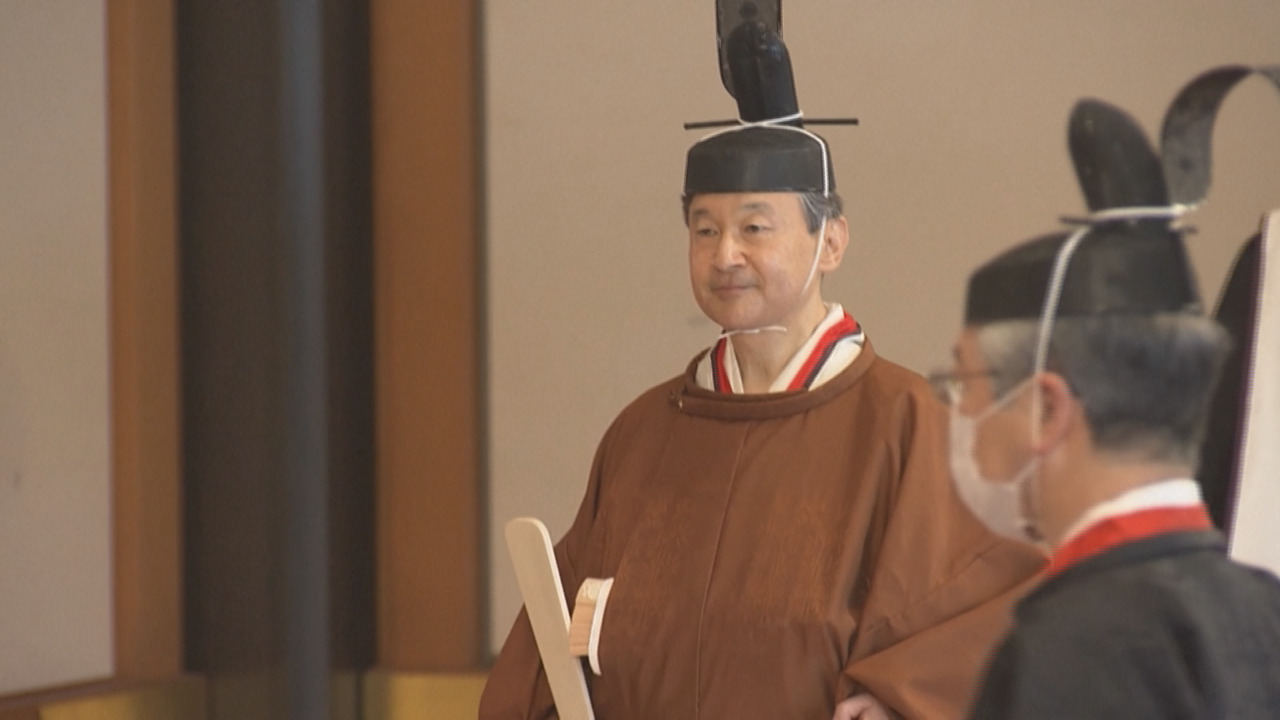
Japan’s parliament has enacted revisions to the Imperial House Law, a move designed to secure the long-term stability of the imperial family amidst a rapidly shrinking roster of male heirs. The legislation, passed on Friday, permits the adoption of unmarried male descendants aged 15 or older from distant imperial relatives of paternal lineage and allows princesses who marry commoners to retain their royal status and official duties. However, the law explicitly maintains the ban on female emperors, stipulating that only men of paternal lineage can ascend the Chrysanthemum Throne.
The government’s primary objective is to resolve ongoing discussions regarding the secure succession of the throne by ensuring the male bloodline remains intact. Prime Minister Sanae Takaichi and other conservative lawmakers argue that the male lineage is the sole source of the emperor’s authority and legitimacy. While an emperor’s mother can be a commoner, as is the case with Empress Masako, the law stipulates that only boys born to men with royal blood can be heirs to the throne.
Critics, including experts and former royals, contend that the measures ignore broad public support for female succession and threaten the monarchy’s stability. Hideya Kawanishi, a Nagoya University expert on monarchy, described the legislation as a declaration to prevent female monarchs and defend male-lineage at all costs, noting that the government uses tradition to mask what he views as male chauvinism. Former Imperial Household Agency chief Shingo Haketa described the monarchy’s future as “extremely unstable” under the current rules, particularly given that only five of the 16 adult imperial family members are men.
The succession line currently passes from Emperor Naruhito to his younger brother, Crown Prince Akishino, and then to Akishino’s 19-year-old son, Prince Hisahito. He is the first male heir born in four decades, and the next in line after him is the emperor’s 90-year-old uncle. The law’s provision for adopting distant male relatives has drawn sharp criticism, with cartoonist Yoshinori Kobayashi questioning the logic of placing the son of an unknown adoptee ahead of Princess Aiko, the emperor’s hugely popular daughter.
Former royals have also voiced strong opposition to the restrictive nature of imperial life. Asahiro Kuni, an 81-year-old former royal whose family renounced its status in 1947, stated he would advise his family to decline adoption, citing the sacrifice of personal freedom as “cruel.” Meanwhile, the revision allowing princesses to keep their status after marrying commoners affects five single princesses, including Aiko and her cousin Kako, though their spouses and children will not be recognised as royals. The law takes effect following its approval by the upper house, solidifying a patriarchal system that historians say is unworkable in modern Japan.